


The Digital Revolution in Precision Casting: How Technology is Transforming Component Manufacturing
In the world of industrial manufacturing, precision investment casting is undergoing a technological transformation that is redefining what’s possible in component performance and reliability. This ancient craft, dating back thousands of years, has embraced digital innovation to create components that meet the increasingly demanding requirements of modern agriculture, mining, and transportation sectors. The process begins with advanced 3D modeling and simulation, where engineers can predict and optimize every aspect of the casting process before any metal is poured. Using computational fluid dynamics and finite element analysis, manufacturers can anticipate potential defects, optimize gating systems, and ensure perfect solidification patterns, resulting in components with exceptional dimensional accuracy and mechanical properties that consistently exceed industry standards.
The integration of digital technologies has revolutionized every stage of the precision casting process. Automated robotic systems now handle the intricate process of ceramic shell building with micron-level precision, while advanced sensors monitor metal temperature and composition in real-time during pouring. The adoption of industrial Internet of Things (IIoT) technology allows for complete traceability throughout the manufacturing process, with each component’s journey from raw material to finished product meticulously documented and analyzed. This data-driven approach enables continuous process improvement and ensures consistent quality across production runs, giving manufacturers unprecedented control over the properties and performance of their components.
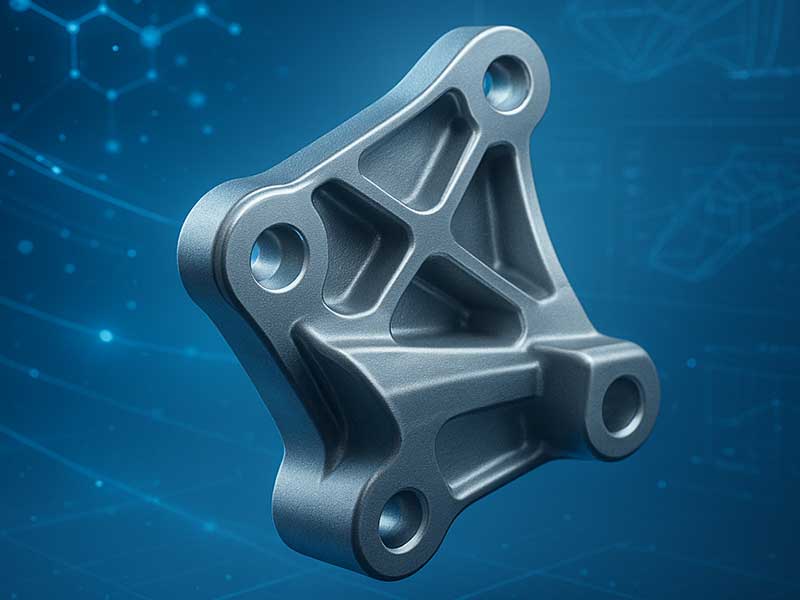
Modern precision casting excels in creating components with complex internal geometries that would be impossible to produce using conventional manufacturing methods. Through the use of 3D-printed wax patterns and advanced ceramic core technology, manufacturers can create intricate cooling channels, internal reinforcement structures, and optimized fluid passages that significantly enhance component performance. This capability is particularly valuable in agricultural applications, where spray nozzles with precisely engineered internal geometries can improve coverage and reduce chemical usage, or in hydraulic components where optimized flow paths increase efficiency and reduce energy consumption.
The materials science behind today’s precision casting represents another area of significant advancement. Manufacturers now have access to specialized alloys specifically engineered for particular applications and operating environments. High-chrome white irons with carefully controlled carbide structures provide exceptional abrasion resistance in mining applications, while advanced stainless steels offer superior corrosion resistance for agricultural equipment exposed to fertilizers and pesticides. The controlled solidification process possible with investment casting allows for the creation of functionally graded materials, where different areas of a component can have tailored properties to meet specific performance requirements.
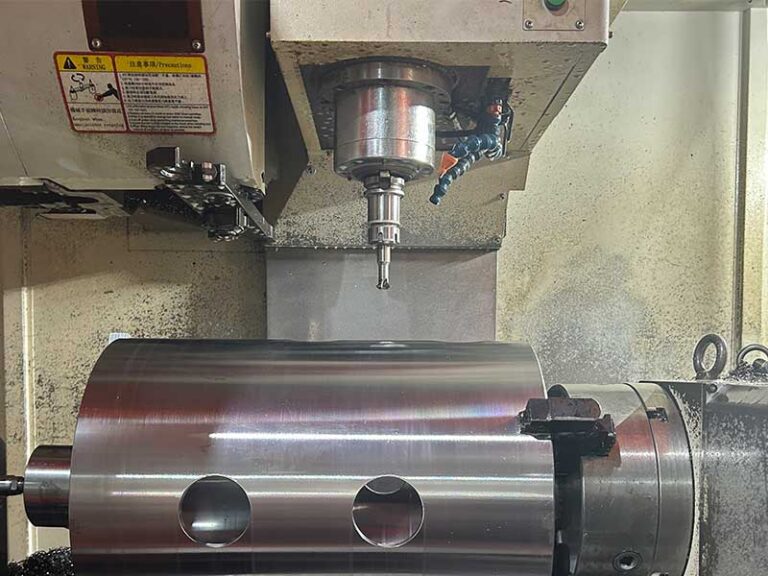
Quality assurance in precision casting has been transformed by digital inspection technologies. Advanced coordinate measuring machines (CMMs) can verify dimensional accuracy to within microns, while computed tomography (CT) scanning allows for non-destructive inspection of internal features and detection of potential defects. These technologies, combined with automated vision systems and robotic inspection equipment, ensure that every component meets the highest quality standards before it leaves the factory. The data collected during these inspection processes is also valuable for continuous improvement efforts, helping manufacturers refine their processes and further enhance component quality.
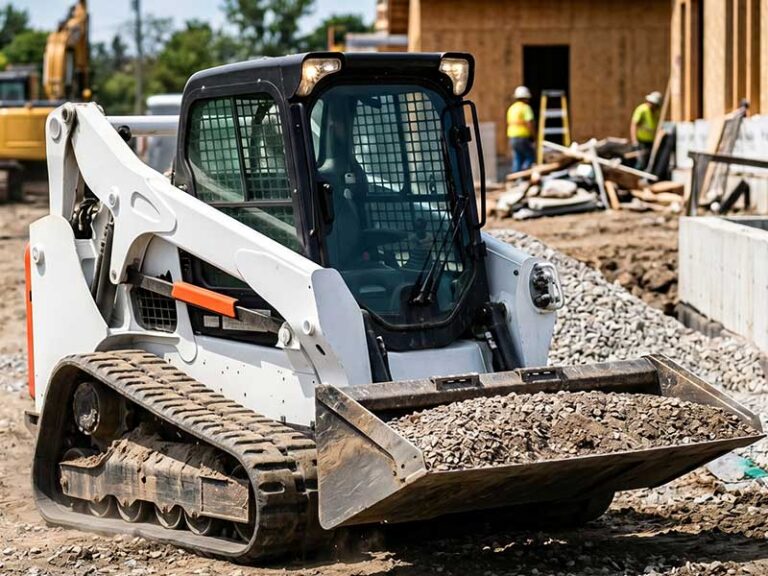
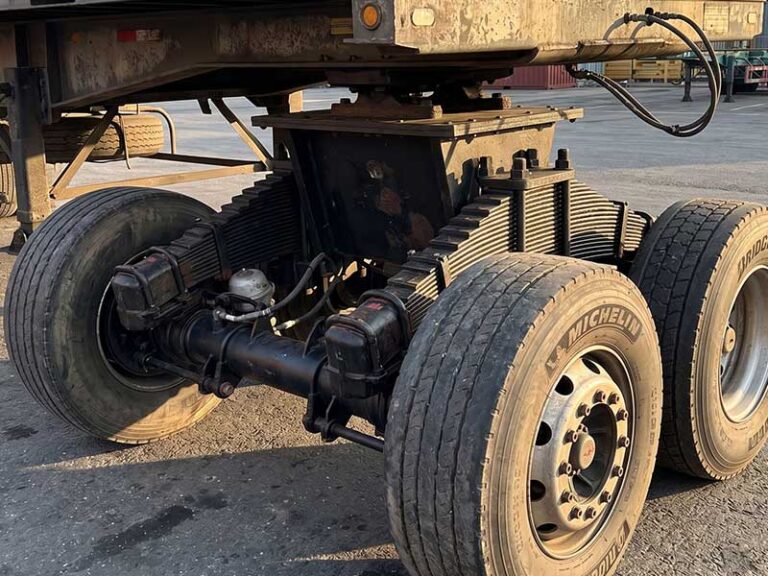
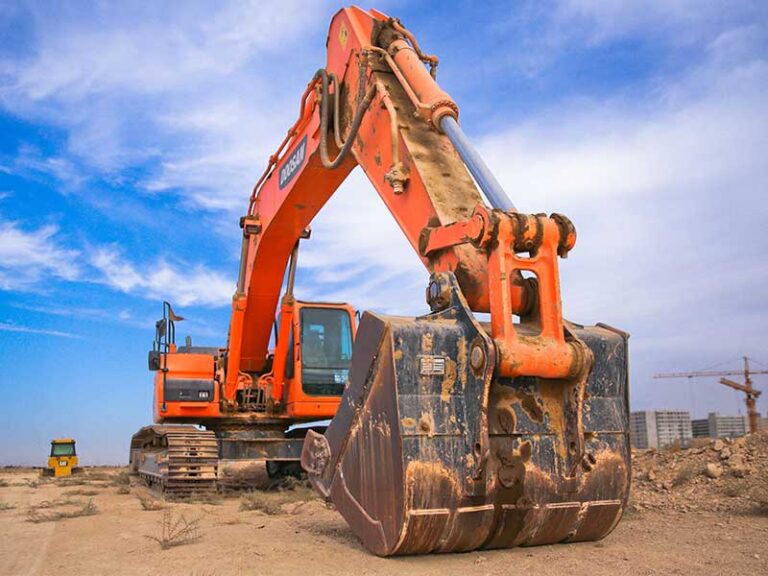
The benefits of modern precision casting are particularly evident in demanding industrial applications. In mining equipment, precision-cast components demonstrate significantly longer service life in abrasive environments, reducing downtime and maintenance costs. Agricultural machinery benefits from components that can withstand the combined challenges of abrasion, impact, and corrosion while maintaining precision performance season after season. Transportation equipment enjoys improved reliability and safety through components with optimized mechanical properties and consistent quality. Across all these sectors, the advanced capabilities of modern precision casting are helping equipment manufacturers meet increasingly stringent performance requirements while controlling costs.
As we look to the future, precision casting continues to evolve with emerging technologies. Additive manufacturing is enabling the production of increasingly complex wax patterns and ceramic cores, while artificial intelligence and machine learning are being applied to optimize process parameters and predict maintenance needs. Digital twin technology allows for virtual testing and validation of components before they are ever manufactured, reducing development time and ensuring optimal performance. These advancements, combined with ongoing materials research and process innovations, ensure that precision investment casting will continue to play a vital role in manufacturing the high-performance components that power modern industry.