


Precision Casting: Engineering Durability for the World’s Toughest Applications
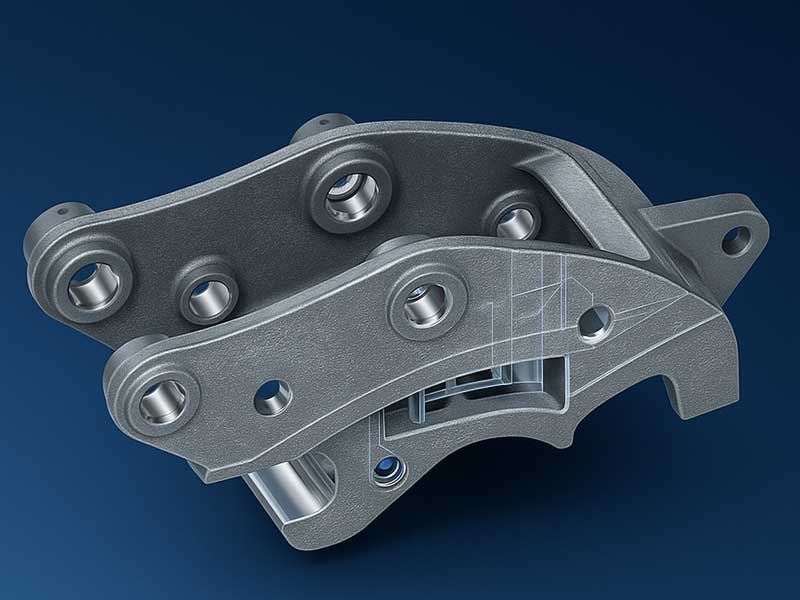
In an era where industrial efficiency and equipment longevity are paramount, precision investment casting emerges as a critical manufacturing solution for components that must withstand extreme operating conditions. This advanced manufacturing technique represents the perfect synergy between traditional craftsmanship and cutting-edge technology, producing parts that consistently exceed performance expectations across agriculture, mining, and transportation sectors. The process begins with comprehensive digital engineering, where sophisticated software enables virtual prototyping and simulation, ensuring optimal design long before production commences. This digital approach not only guarantees superior performance but also minimizes material waste and streamlines manufacturing timelines.
The agricultural sector continues to benefit significantly from precision casting innovations. Modern farming equipment demands components that can endure abrasive soil conditions, repeated impact loads, and corrosive chemical exposure. Through precision casting, manufacturers create parts with engineered gradient hardness profiles, where working surfaces achieve exceptional wear resistance while maintaining structural integrity. This technology enables the production of durable cultivator tools for challenging terrain, reliable spray systems that maintain accuracy under chemical stress, and efficient harvesting components that optimize crop flow while resisting abrasion. The outcome is agricultural machinery that delivers consistent performance across multiple seasons, substantially reducing operational interruptions and replacement expenses.
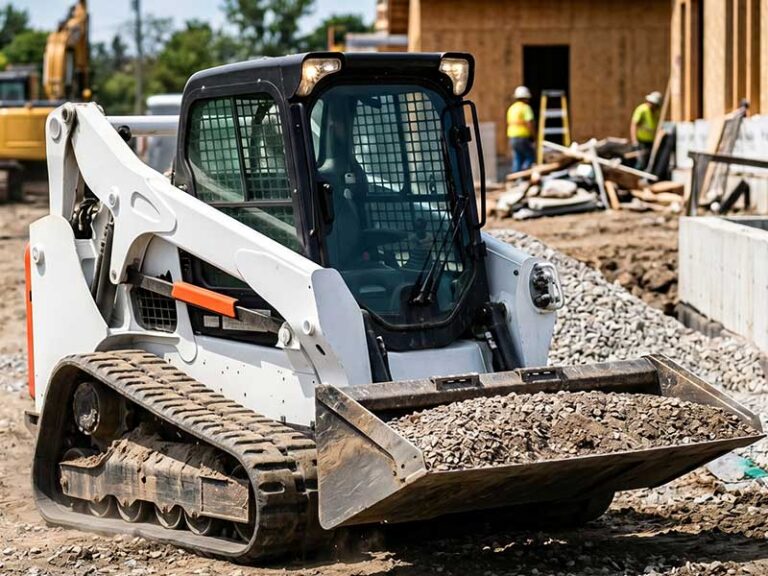
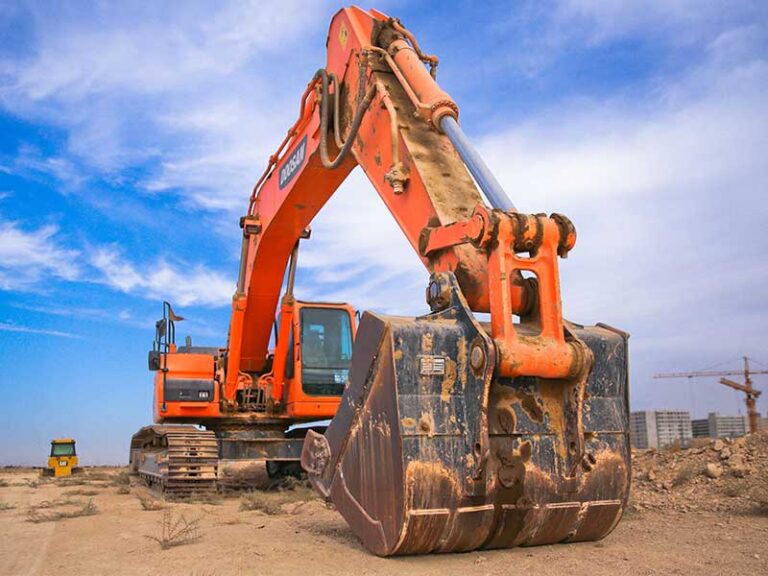
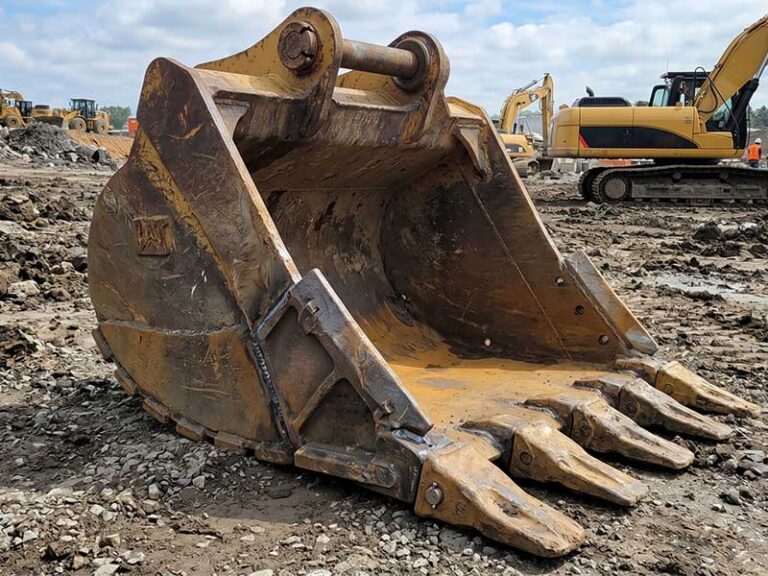
Industrial applications present some of the most demanding challenges for component manufacturers, particularly in mining and construction sectors. Equipment in these fields must withstand constant abrasion, heavy impact forces, and exposure to corrosive materials. Precision casting addresses these challenges through advanced techniques that produce crusher liners with functionally graded materials, developing ultra-hard working surfaces while preserving structural strength. Slurry pump impellers feature erosion-resistant designs that maintain efficiency, while conveyor components incorporate specialized wear patterns that extend service life in abrasive environments. The strategic material distribution in these components ensures optimal performance where it matters most, while maintaining cost-effectiveness through efficient material utilization.
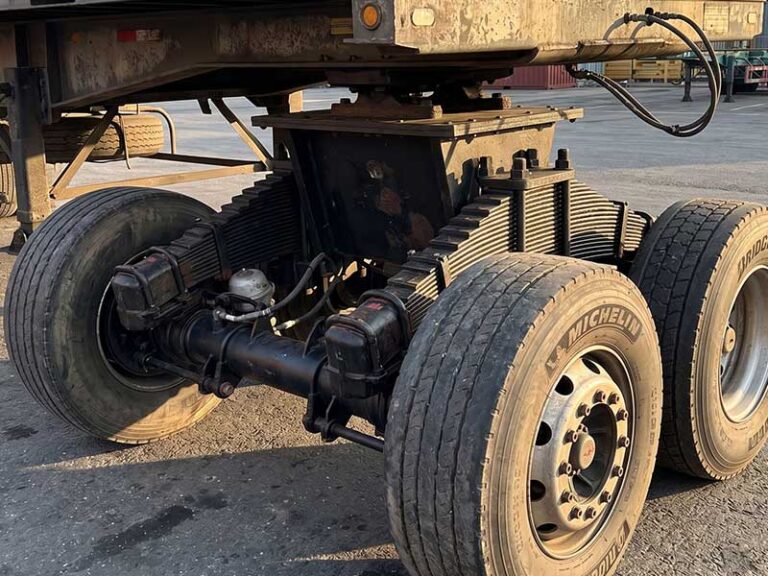
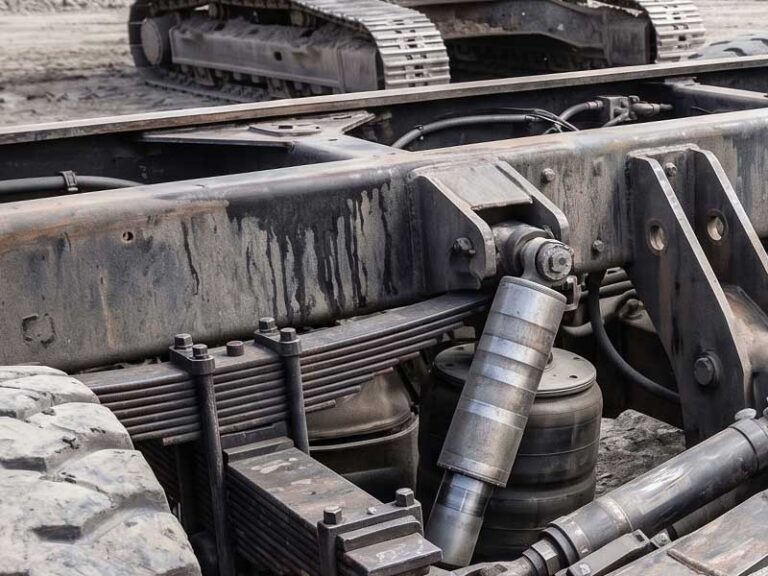
The transportation industry relies heavily on precision-cast components for critical applications where reliability and safety are non-negotiable. Heavy-duty vehicles and equipment require parts capable of withstanding constant vibration, impact stresses, and environmental challenges. Precision-cast fifth wheel assemblies and suspension components feature optimized metallurgical structures that resist fatigue failure, while brake system components achieve perfect sealing surfaces that prevent fluid leakage. The manufacturing process creates net-shape parts with superior surface characteristics compared to machined alternatives, contributing to equipment that requires minimal maintenance while delivering extended service life.
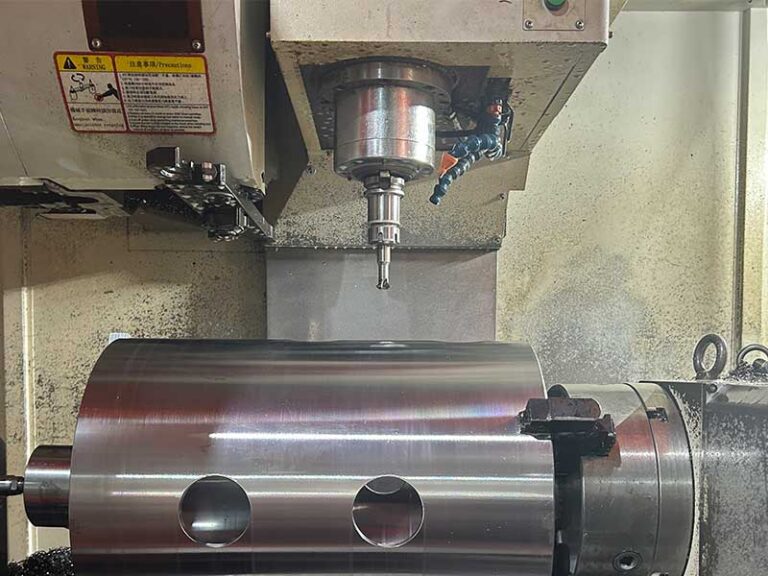
Quality assurance in contemporary precision casting has reached unprecedented levels of accuracy through digital inspection technologies. Advanced coordinate measuring systems verify dimensional precision to within micron-level tolerances, while computed tomography scanning enables comprehensive examination of internal features without compromising component integrity. Automated vision systems and robotic inspection equipment work collaboratively to ensure every component meets stringent quality standards before leaving the production facility. The data gathered during these processes also supports continuous improvement initiatives, enabling manufacturers to refine their techniques and enhance component performance progressively.
As we look to the future, precision casting continues to evolve with emerging technologies that promise even greater capabilities. Additive manufacturing facilitates the production of increasingly complex patterns and cores, while artificial intelligence and machine learning optimize process parameters in real-time. Digital twin technology enables thorough virtual testing and validation of components before manufacturing begins, significantly reducing development time while ensuring optimal performance. These advancements, combined with ongoing materials research and process innovations, guarantee that precision investment casting will maintain its crucial role in manufacturing high-performance components that drive progress across global industrial sectors.