


Excavator Bucket Teeth Selection and Maintenance Guide
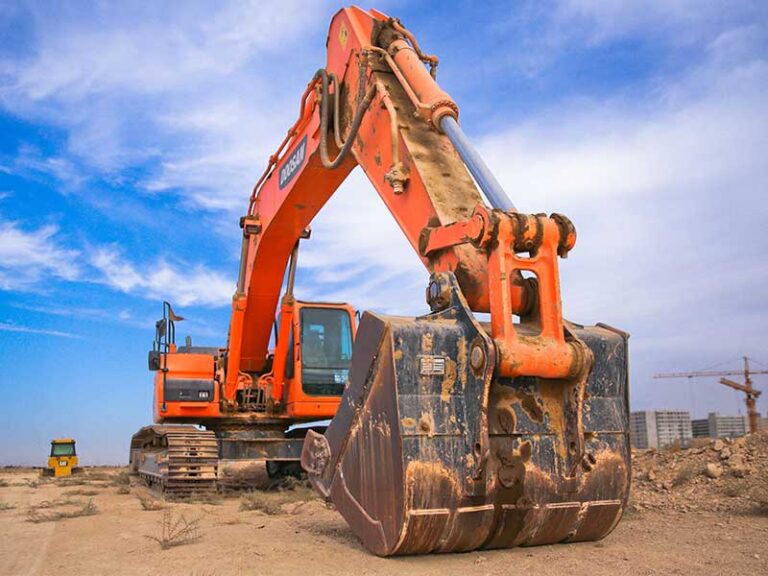
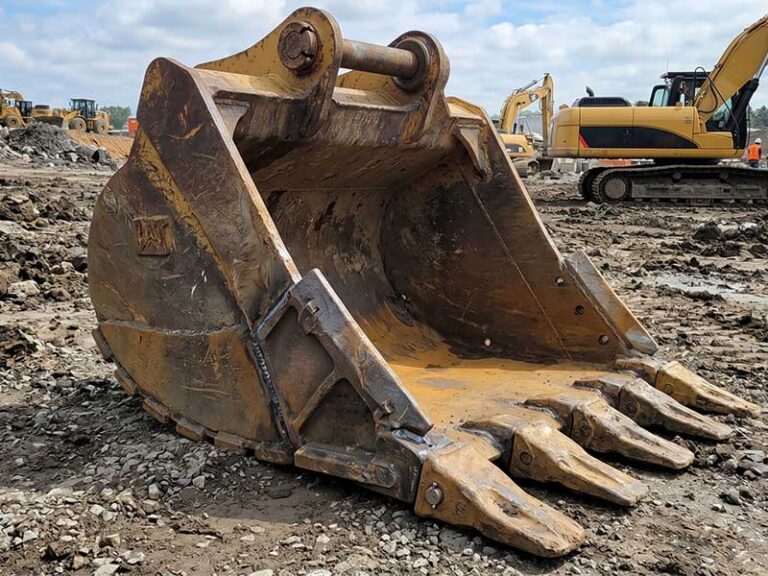
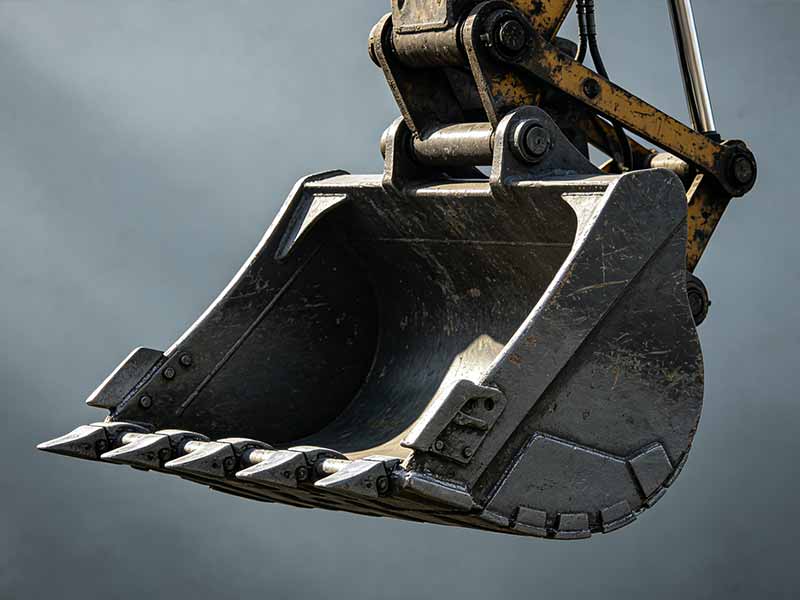
Excavator bucket teeth are the most vulnerable and core wear parts of construction and mining excavators. High-quality selection and standardized daily maintenance directly determine excavation efficiency, equipment service life, and overall project operating costs.
Many construction and mining enterprises face common problems such as premature wear, tooth breakage, and frequent replacement of bucket teeth due to improper model selection and irregular maintenance.
This guide systematically sorts out the professional selection standards and scientific maintenance methods of excavator bucket teeth in the form of detailed tables, helping users select cost-effective bucket teeth and reduce equipment operation loss.
1. Scientific Selection Standards for Excavator Bucket Teeth
The selection of bucket teeth cannot be generalized. It needs to be matched according to working conditions, excavation materials, excavator tonnage and operation scenarios. Matching the right heavy-duty bucket teeth for hard rock or standard earthmoving teeth is the key to improving work efficiency and reducing replacement frequency. The detailed selection rules are shown in the table below:
|
Working Condition & Excavation Material
|
Recommended Bucket Tooth Type
|
Core Selection Reasons
|
Applicable Excavator Tonnage
|
|---|---|---|---|
|
Soft soil, sand, clay, ordinary earthmoving
|
Standard chisel bucket teeth, flat-tip digging teeth
|
Light weight, good penetration, low digging resistance, suitable for frequent loading and unloading operations; maintains sharpness after slight wear, effectively improves bucket filling efficiency, and is the most cost-effective choice for daily construction earthwork
|
1-20 tons small and medium excavators
|
|
Mixed soil, gravel, compacted soil
|
General-purpose reinforced bucket teeth, tiger teeth
|
Balanced hardness and toughness, resists moderate impact and abrasion, avoids tooth breakage caused by mixed hard and soft materials, has strong versatility, and adapts to complex and variable urban construction working conditions
|
10-30 tons medium excavators
|
|
Hard rock, granite, ore, quarry mining
|
Heavy-duty rock bucket teeth, wear-resistant mining teeth
|
Adopts high-alloy cast steel material, with ultra-high hardness and impact resistance; specially optimized tooth body structure to resist strong friction and impact of hard rock, effectively avoid tooth tip breakage and rapid wear, is the best excavator bucket teeth for mining
|
20-50 tons large heavy-duty excavators
|
|
Dredging, trenching, snow removal, wide-range loading
|
Flare wide bucket teeth, extended digging teeth
|
Wide tooth surface design, large excavation coverage, reduces repeated operations, suitable for flat ground cleaning and dredging scenarios, improves overall operation speed
|
5-25 tons multi-scene excavators
|
2. Key Material Selection for Durable Bucket Teeth
Material quality is the core factor determining the service life of excavator bucket teeth. Different casting and forging materials bring completely different wear resistance and impact resistance. The mainstream material comparison is as follows:
|
Bucket Tooth Material
|
Performance Advantages
|
Applicable Scenarios
|
Service Life Level
|
|---|---|---|---|
|
Ordinary carbon steel
|
Low cost, easy processing, good toughness
|
Light-load earthmoving, short-term temporary construction
|
Ordinary, easy to wear
|
|
High manganese alloy steel
|
Strong impact resistance, self-hardening under impact load, good wear resistance
|
Mining, quarry, heavy rock excavation
|
High, 2-3 times that of ordinary steel
|
|
Chromium-molybdenum alloy cast steel
|
Balanced hardness and toughness, anti-cracking, anti-abrasion, stable performance
|
Long-term construction, mixed working conditions, international engineering projects
|
Premium, ultra-durable for construction
|
3. Standard Maintenance & Replacement Rules for Excavator Bucket Teeth
Scientific daily maintenance can greatly extend the service life of construction equipment wear parts including bucket teeth, reduce frequent replacement costs, and avoid construction shutdown losses. The standardized maintenance and replacement guidelines are summarized in the table below, answering the core question of how to maintain excavator bucket teeth for users:
|
Maintenance Item
|
Specific Operation Standards
|
Maintenance Frequency
|
Core Benefits
|
|---|---|---|---|
|
Visual & Wear Inspection
|
Check tooth tip wear degree, tooth body cracks, chipping and deformation; measure tooth body thickness, mark severely worn parts; inspect locking pins and gaps between teeth and adapters
|
Daily before operation
|
Detect hidden dangers in advance, avoid sudden tooth breakage affecting construction safety
|
|
Symmetrical Rotation Use
|
Rotate and exchange left and right, front and rear bucket teeth regularly to ensure uniform wear of all teeth, avoid partial excessive wear
|
Every 1-2 weeks
|
Maximize the utilization rate of each bucket tooth, extend overall service life
|
|
Cleaning & Installation Inspection
|
Clean soil, gravel and sundries in the tooth socket and adapter before installation; ensure tight fitting of bucket teeth, no loose pins, firm locking structure
|
Each replacement & regular inspection
|
Prevent loose and falling teeth caused by poor installation, reduce secondary wear
|
|
Timely Replacement
|
Replace bucket teeth when the wear degree reaches 30%-40% of the original size; replace severely cracked and deformed teeth immediately, replace in sets to keep balance
|
On-demand replacement
|
Guarantee excavation efficiency, reduce equipment load and fuel consumption
|
|
Standard Operation Maintenance
|
Avoid empty-load impact digging, do not use bucket teeth to pry hard objects vertically, maintain a reasonable digging angle to reduce friction and impact
|
Whole operation period
|
Reduce artificial loss, greatly reduce tooth breakage and rapid wear rate
|
4. Common Mistakes in Bucket Tooth Selection & Maintenance
|
Common Mistake
|
Negative Impact
|
Correct Solution
|
|---|---|---|
|
Using universal bucket teeth for high-intensity mining work
|
Frequent tooth breakage, serious wear, high replacement cost, delayed construction period
|
Select professionalheavy-duty bucket teeth for hard rock according to mining working conditions
|
|
Delaying replacement of worn bucket teeth
|
Reduced excavation speed, increased excavator fuel consumption, easy to damage bucket adapter
|
Follow the 30%-40% wear replacement standard to update teeth in time
|
|
Ignoring pin and gap inspection
|
Bucket teeth fall off during operation, causing equipment failure and safety accidents
|
Check locking accessories regularly and replace damaged pins in time
|
5. Truecasteng Company Introduction
Truecast is a professional Chinese casting factory with more than 30 years of mature casting production experience, focusing on the R&D, production and customization of high-quality excavator bucket teeth and construction machinery wear parts. Adhering to strict casting process standards and quality control systems, we have established long-term stable cooperative relationships with global customers.
We are highly proficient in providing customized excavator bucket teeth solutions for American customers, covering various types of standard bucket teeth, rock bucket teeth, mining bucket teeth and special-shaped digging teeth suitable for different excavator models and working conditions.
Through optimized casting formulas, streamlined production processes and precise structural design, our solutions effectively reduce customers’ comprehensive operating costs by 10% while ensuring superior product durability and stability. This significant cost reduction and quality advantage greatly enhance customers’ market competitiveness in the construction and mining equipment parts industry.
We always adhere to customer demand-oriented, provide high-quality, cost-effective excavator wear parts and one-stop selection and after-sales services for global users.