


The Silent Revolution: How Precision Casting is Transforming Heavy Industry
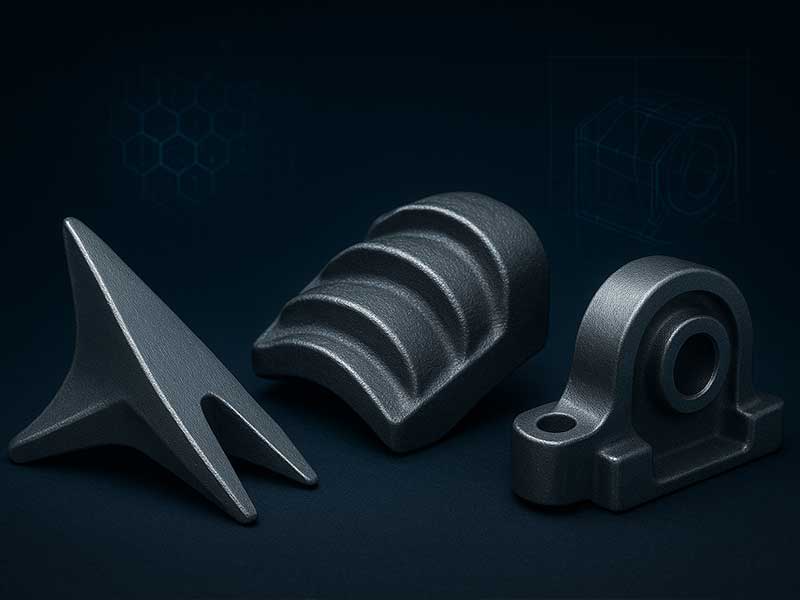
In the world of industrial manufacturing, precision investment casting represents one of the most sophisticated yet underappreciated technological processes. This ancient art form, dating back millennia to early bronze casting, has evolved into a cutting-edge manufacturing technique that combines metallurgical science with digital engineering. The process begins with creating a perfect wax replica of the desired component, which is then transformed through multiple ceramic coating stages into a robust mold capable of withstanding extreme temperatures. What sets this method apart is its ability to produce components with exceptional dimensional accuracy – typically within ±0.005 inches per inch – while achieving surface finishes that require minimal post-processing. This precision enables manufacturers to create complex geometries that would be impossible with conventional manufacturing methods, from intricate internal cooling channels to thin-walled structures that maintain structural integrity under tremendous stress.
The true magic of precision casting lies in its metallurgical advantages. Through controlled solidification processes, manufacturers can engineer specific grain structures that optimize mechanical properties for particular applications. High-chrome white irons (28-32% chromium content) develop complex carbide networks that provide exceptional abrasion resistance, while nickel-chrome superalloys maintain strength in high-temperature environments. The directional solidification techniques possible with investment casting allow for creating components with columnar grain structures aligned along stress vectors, significantly improving fatigue resistance and overall durability. This level of microstructural control enables the production of components that can withstand extreme abrasive wear, impact loading, and corrosive environments far better than conventionally manufactured parts.
Agricultural equipment benefits tremendously from these advancements. Cultivator points and tillage tools can be engineered with gradient hardness designs, where the working edge achieves extreme hardness (650+ HBW) while the supporting structure maintains sufficient toughness (350-400 HBW) to absorb impact loads. Spray system components incorporate complex internal passages that improve fluid dynamics while resisting chemical corrosion. Harvesting equipment utilizes wear patterns that actually enhance material flow characteristics while resisting abrasion from crop materials and soil contaminants. These innovations allow farming equipment to maintain peak performance through multiple seasons of demanding use, significantly reducing downtime and replacement costs.
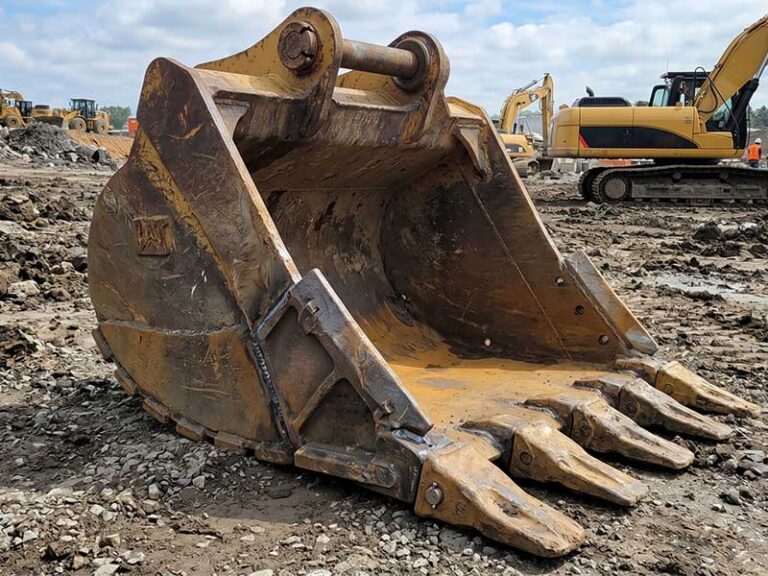
In industrial applications, precision-cast components demonstrate remarkable performance advantages. Crusher liners and grinding mill components utilize functionally graded materials where the working surface develops columnar chromium carbides perpendicular to the wear surface, creating a self-sharpening effect as the softer matrix wears slightly faster. Slurry pump impellers and volutes incorporate erosion-resistant profiles that maintain hydraulic efficiency throughout their operational lifespan. The manufacturing process enables strategic material placement, adding wear-resistant materials only where needed, reducing both cost and weight without compromising performance. This targeted approach to material usage represents a significant advancement over conventional manufacturing methods.
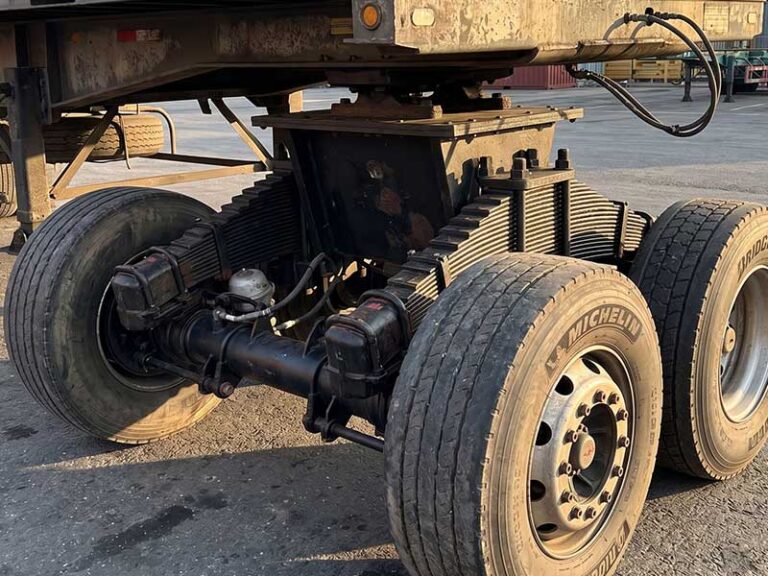
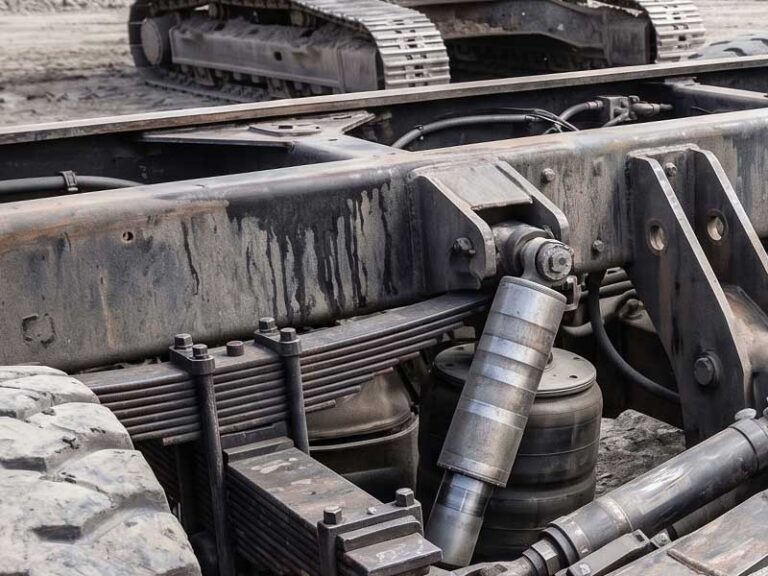
Transportation equipment achieves new levels of reliability through precision-cast components. Fifth wheel assemblies and suspension components benefit from optimized grain flow patterns that resist crack propagation under cyclic loading. The process creates net-shape gear teeth and splines that demonstrate superior wear characteristics compared to machined alternatives. Brake system components achieve perfect sealing surfaces that prevent fluid leakage while resisting corrosion from road salts and environmental exposure. These advancements contribute to safer and more reliable transportation equipment that requires less maintenance and delivers longer service life across various applications.
The future of precision casting continues to evolve with digital technologies. Advanced simulation software now predicts solidification patterns and potential defect formation before any metal is poured. Robotic systems automate the ceramic shell building process with micron-level precision. Quality control incorporates CT scanning and coordinate measuring machines that verify dimensional accuracy against digital models. These technological advancements, combined with ongoing materials research, continue to push the boundaries of what’s possible in component design and performance. As industries worldwide demand more durable, efficient, and reliable equipment, precision investment casting stands ready to meet these challenges with innovative solutions that transform how we think about manufacturing and material performance.