


Precision Casting: The Hidden Technology Powering Modern Industry
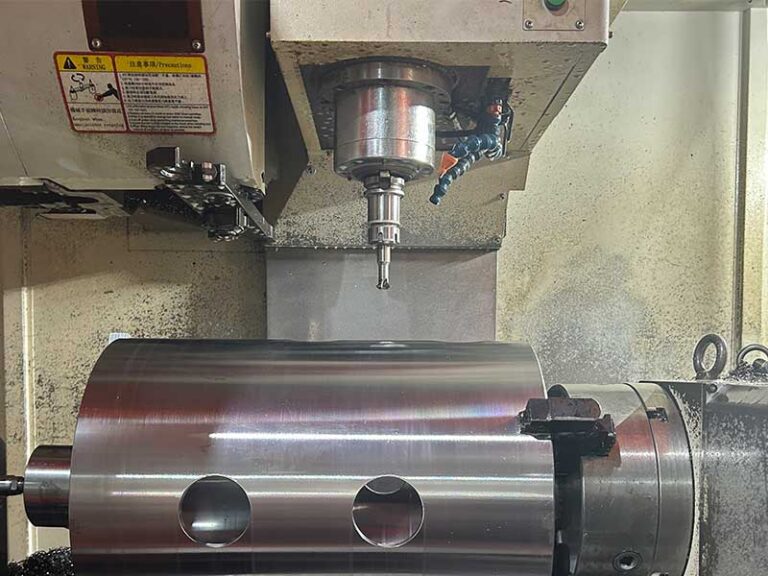
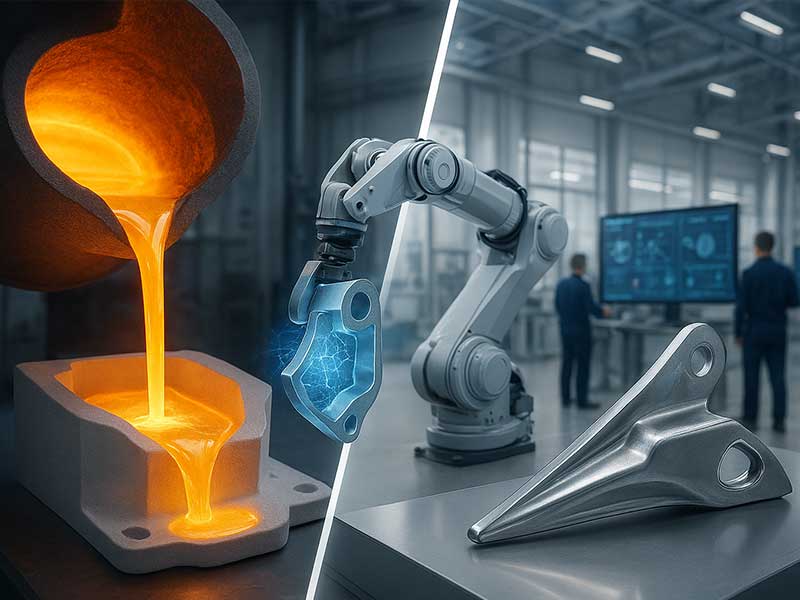
While most people never think about the components that make their world work, precision investment casting represents one of the most critical manufacturing processes keeping industries moving forward. This sophisticated technique, which has evolved from ancient metalworking traditions into a digital-age marvel, enables the creation of components that withstand some of the most demanding conditions on earth. The process begins with a perfect wax replica of the desired part, created through injection molding or 3D printing, which then undergoes multiple ceramic coating stages to build a robust mold. What makes this method extraordinary is its ability to produce components with exceptional dimensional accuracy – typically within 0.1mm tolerance – while achieving surface finishes that require minimal additional machining. This precision enables manufacturers to create complex internal passages, thin-walled structures, and intricate geometries that would be impossible with conventional manufacturing methods.
The metallurgical advantages of precision casting separate it from other manufacturing processes. Through controlled solidification, manufacturers can engineer specific microstructures that optimize mechanical properties for particular applications. High-performance alloys containing chromium, nickel, and molybdenum develop complex carbide structures that provide exceptional wear resistance, while maintaining the toughness needed for impact loading. The process allows for directional solidification, where grains grow in specific orientations aligned with stress vectors, significantly improving fatigue resistance. This level of microstructural control enables components to withstand extreme abrasion, repeated impact, and corrosive environments far better than parts made through conventional methods.
Agricultural machinery has been revolutionized by these advancements. Modern farming equipment faces constant abrasion from soil, impact from rocks, and corrosion from fertilizers and pesticides. Precision-cast components solve these challenges through gradient hardness designs where working surfaces achieve extreme hardness while supporting structures maintain necessary toughness. Spray system components incorporate complex internal passages that improve fluid dynamics while resisting chemical attack. Harvesting equipment utilizes specialized wear patterns that enhance material flow while resisting abrasion from crop materials. These innovations allow farming equipment to maintain peak performance through multiple seasons of demanding use.
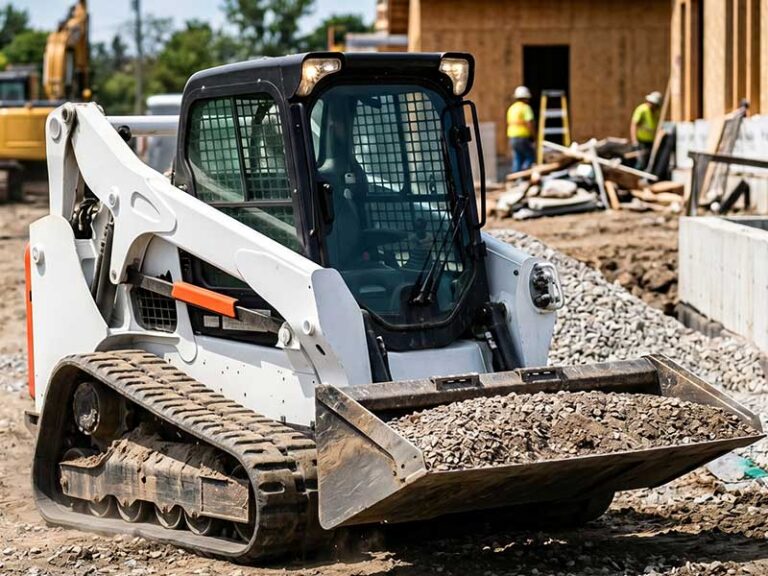
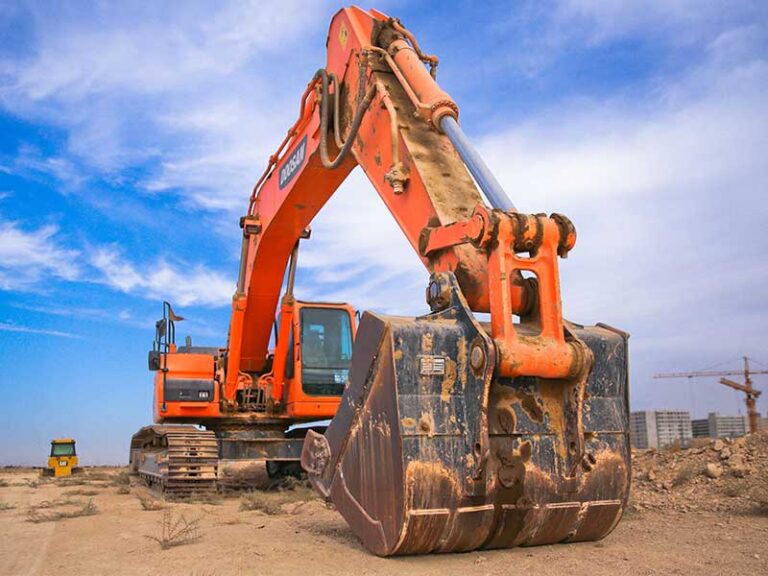
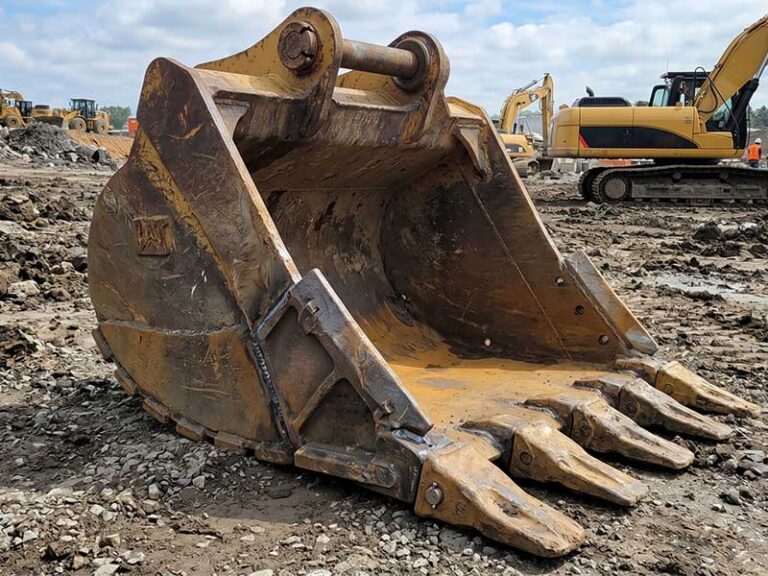
Industrial applications benefit tremendously from precision-cast components. Mining and construction equipment faces some of the most brutal working conditions imaginable, with constant abrasion, impact loads, and exposure to corrosive materials. Crusher liners and grinding mill components utilize functionally graded materials where working surfaces develop extremely hard carbide structures while maintaining structural integrity. Slurry pump impellers incorporate erosion-resistant profiles that maintain efficiency throughout their operational life. The manufacturing process enables strategic material placement, adding wear-resistant materials only where needed, optimizing both performance and cost.
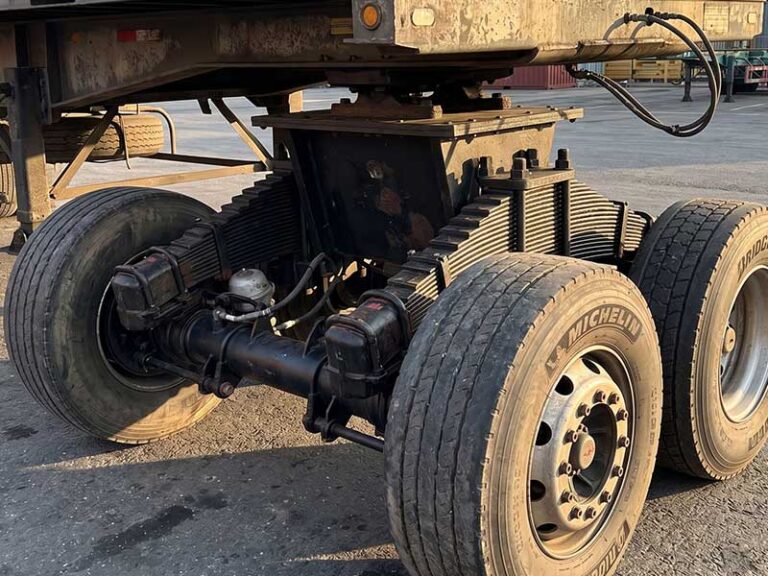
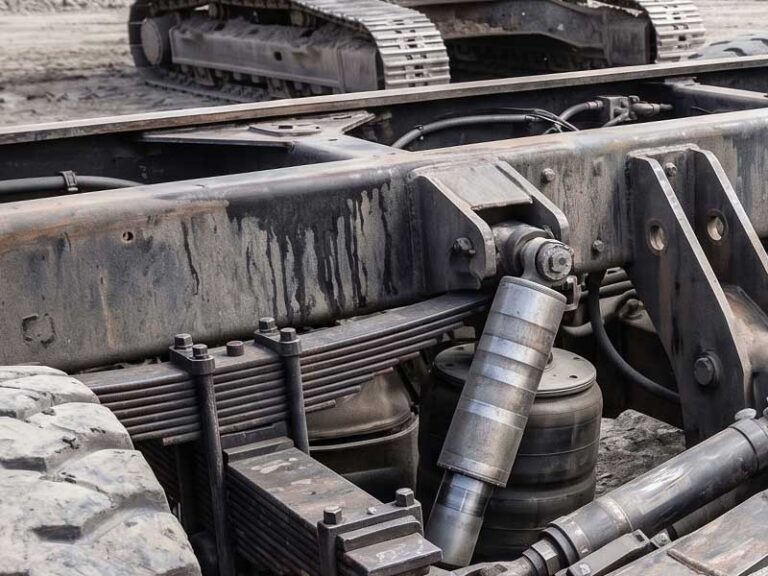
The transportation sector achieves new levels of reliability through precision-cast components. Heavy-duty trailers and equipment face constant vibration, impact loads, and environmental exposure. Fifth wheel assemblies and suspension components benefit from optimized grain structures that resist fatigue failure. The process creates net-shape components with superior surface characteristics compared to machined alternatives. Brake system components achieve perfect sealing surfaces that prevent fluid leakage while resisting corrosion from road salts. These advancements contribute to equipment that requires less maintenance and delivers longer service life.
Looking toward the future, precision casting continues to evolve with digital technologies. Advanced simulation software now predicts solidification patterns and potential defects before manufacturing begins. Robotic systems automate the mold-building process with incredible precision. Quality control incorporates advanced scanning and measurement technologies that verify dimensional accuracy against digital models. These technological advancements, combined with ongoing materials research, continue to push the boundaries of what’s possible in component design and performance. As industries worldwide demand more durable, efficient, and reliable equipment, precision investment casting stands ready to meet these challenges with innovative solutions that transform how we think about manufacturing and material performance.