


Difference Between 550/156 Bucket Tooth and U43792 Bucket Tooth
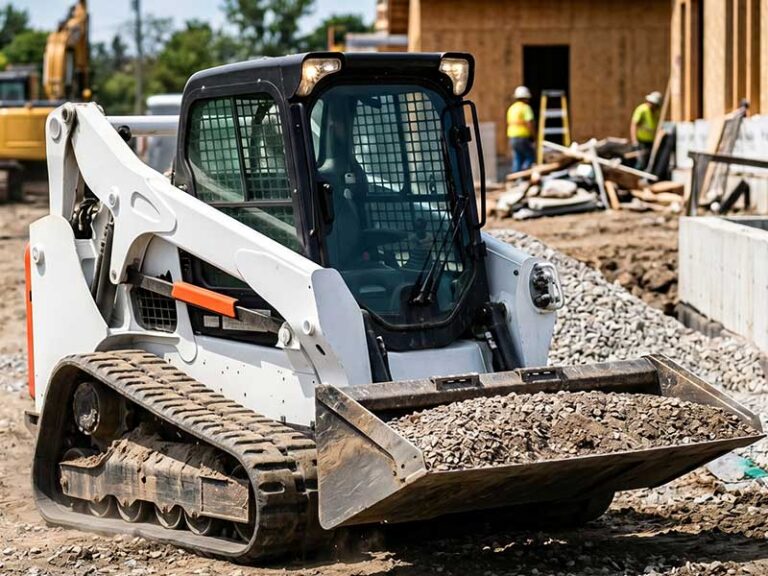
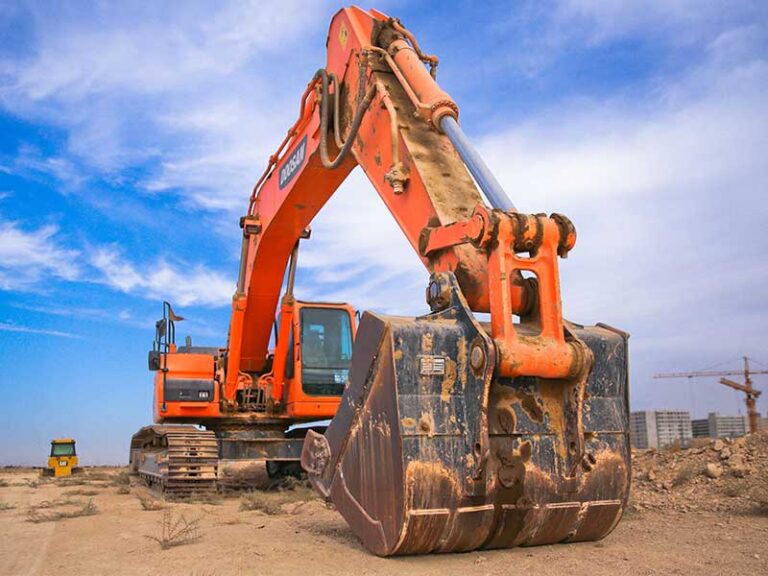
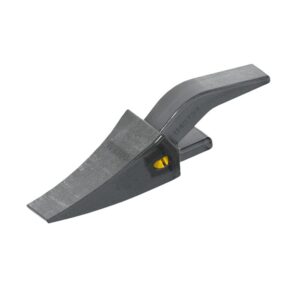
Bucket tooth 550/156 and U43792 are two widely used ground engaging tool (GET) components for excavators, skid steer loaders and construction machinery, but they belong to distinct brand series, with core differences in design, bucket tooth manufacturing processes, material specifications, and applicable scenarios. Below is a comprehensive comparison, with a focus on manufacturing-related attributes that directly determine product performance and service life.
Core Difference Comparison Table
| Comparison Dimension | 550/156 Bucket Tooth (156 Series) | U43792 Bucket Tooth (23 Series) |
|---|---|---|
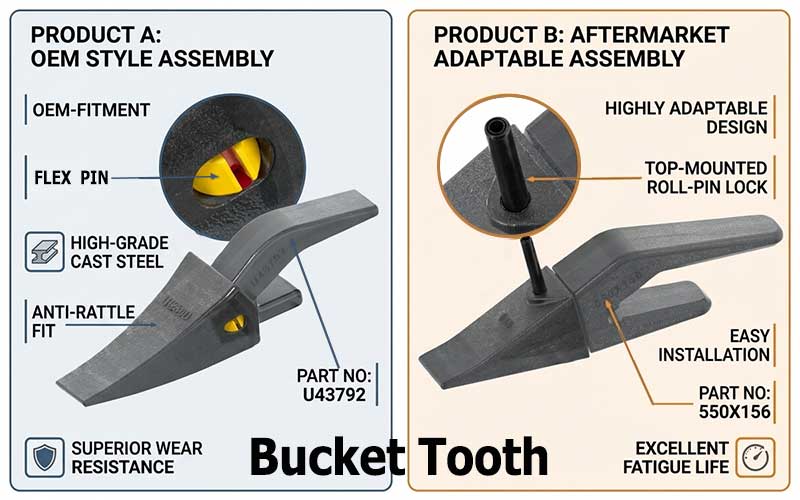
| Brand & Series Compatibility | Hensley-style 156 series, compatible with Hensley standard excavator bucket systems; full assembly includes 156 general-purpose bucket tooth + 550X156 weld-on adapter + roll pin superscript:7 | H&L-style 23 series, compatible with H&L mini excavator and skid steer bucket systems; full assembly includes TF230 bucket tooth + U43792 weld-on adapter + 23FP pin superscript:2 superscript:3 |
| Core Design Parameters | Tooth length: ~5.75 inches; overall width: ~2.5 inches; assembly weight: ~2.6 lbs (tooth only); standard weld-on adapter design for mid-size excavators superscript:8 | Adapter length: 76.2mm; leg gap height: 20.6248mm; bevel angle: 23°; assembly weight: ~2.4 lbs (tooth only); compact design for mini/light-duty equipment superscript:2 |
| Bucket Tooth Manufacturing: Material Selection | Standard medium-alloy steel, with optional high-manganese steel for heavy-duty variants; balanced formulation of chromium, manganese and silicon to balance toughness and wear resistance for general use superscript:7 superscript:11 | Premium chromium-molybdenum alloy steel as standard; higher molybdenum content for deep-hardening properties, with strict control of alloying elements to ensure consistent tensile strength and impact toughness superscript:1 superscript:3 |
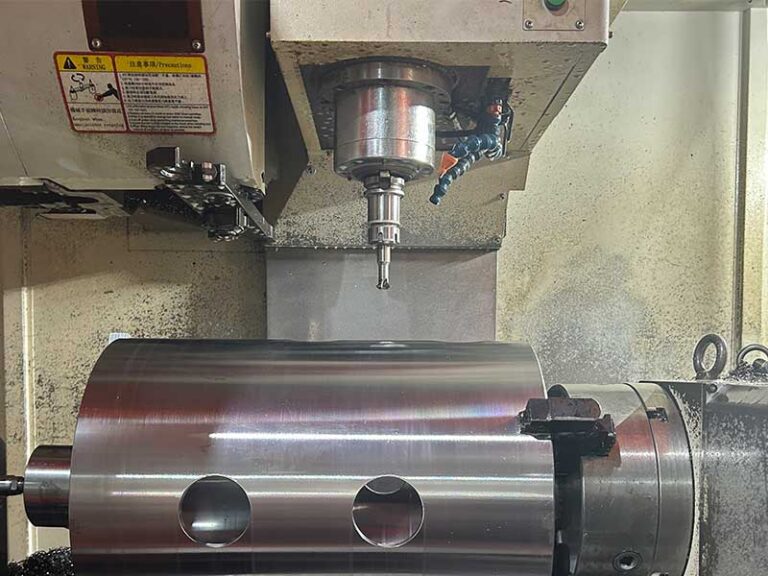
| Bucket Tooth Manufacturing: Casting & Forming Process | Dominated by sand casting, a cost-effective process suitable for mass production of standard tooth shapes; molten metal is poured into pre-formed sand molds, with basic dimensional compensation for steel contraction superscript:4 superscript:11 | Precision investment (lost-wax) casting as standard; uses a wax pattern that is an exact duplicate of the final tooth, with precise dimensional compensation for steel contraction; adopts counter-gravity pouring to ensure uniform metal filling and reduce internal defects superscript:1 superscript:12 |
| Bucket Tooth Manufacturing: Heat Treatment | Standard quenching and tempering process; target hardness range HRC 48-52, optimized for general earthmoving and low-to-medium impact conditions; no mandatory deep-hardening requirements superscript:9 | Strict multi-stage quenching and tempering process; target tensile strength ≥1350MPa, yield strength ≥1000MPa; deep-hardening design to ensure consistent hardness from tooth tip to root, with nitrogen-assisted cooling to reduce internal stress superscript:1 |
| Bucket Tooth Manufacturing: Quality Control | Routine dimensional inspection, hardness testing and visual inspection before delivery; optional third-party material analysis for custom orders superscript:10 | Full in-house quality control system, including 100% dimensional verification, material composition testing, and mechanical property testing; supports destructive, non-destructive and microstructural analysis for batch validation superscript:1 |
| Performance & Applicable Scenarios | General-purpose design, ideal for standard excavation, loading and trenching operations in soil, sand, gravel and soft rock; suitable for mid-size excavators (10-20 ton class) superscript:9 | High-strength compact design, ideal for light-duty excavation, landscaping, and material handling in tight spaces; suitable for mini excavators, skid steer loaders and compact track loaders; better penetration in frozen soil and hard-pan conditions superscript:3 superscript:5 |
| Installation & Replacement | Secured by roll pin; standard weld-on adapter design, with wide aftermarket availability of replacement teeth and adapters superscript:7 | Secured by 23FP pin; weld-on adapter with precision-machined interface, ensuring zero play between tooth and adapter; OEM-level fit and finish superscript:3 |
Key Manufacturing-Related Differences (Bucket Tooth Manufacturing Focus)
The most critical distinctions between the two models lie in their bucket tooth manufacturing processes, which directly impact durability, wear resistance and operational lifespan:
- Material Formulation: U43792 uses chromium-molybdenum alloy steel as standard, while 550/156 uses general medium-alloy steel. The higher molybdenum content in U43792 enables deep-hardening, ensuring that the entire tooth maintains consistent hardness even under repeated high-impact loads, while 550/156’s hardness is primarily concentrated on the tooth surface.
- Casting Precision: U43792’s investment casting process delivers tighter dimensional tolerances and smoother surface finishes compared to 550/156’s sand casting. This reduces friction between the tooth and excavated material, improving penetration efficiency and reducing abrasive wear.
- Heat Treatment Rigor: U43792’s multi-stage heat treatment with nitrogen cooling eliminates internal stress, reducing the risk of tooth breakage under sudden impact. 550/156’s standard heat treatment is optimized for cost-effectiveness in general use, but is more prone to chipping or breakage in high-impact, harsh environments.
- Quality Assurance: U43792’s full-spectrum quality control system ensures consistent mechanical properties across every production batch, while 550/156’s quality standards are more aligned with mass-market, general-purpose requirements.
Summary
550/156 and U43792 bucket tooth systems are designed for distinct use cases, with their core differences rooted in bucket tooth manufacturing specifications.
550/156 is a cost-effective, general-purpose solution for mid-size excavators in standard earthmoving operations, while U43792 is a precision-manufactured, high-strength compact solution for light-duty, high-performance applications in mini excavators and skid steer loaders.
The 550/156 mold is better suited for the mass-market promotion of general-purpose products, targeting standard excavator customers who require compatible 156-series general-purpose bucket teeth.
The U43792, conversely, falls into the category of a typical OEM “Exact Replacement” part. In terms of casting precision, it is critical to strictly control its 20.62 mm Leg Gap and mounting hole spacing; failure to do so would result in wobbling or an inability to properly seat the part on genuine John Deere buckets.
Selecting the correct model requires matching the system to the equipment type, operating conditions and performance requirements, with manufacturing quality being a critical factor in long-term reliability.
Founded in 1994, TrueCast Engineering Casting Company has earned its reputation as a leading player in the casting and metallurgy industry. Based in NingBo, the company initially began as a small workshop producing specialized cast components for local manufactruers.
Over the years, through unwavering dedication to quality and innovation, TrueCast Engineering has established itself as a trusted precision casting manufacturer, catering to a global clientele across various sectors, including farming parts, truck parts, and industrial machinery.