


How to Choose the Right G.E.T. Parts Precision Casting Solution
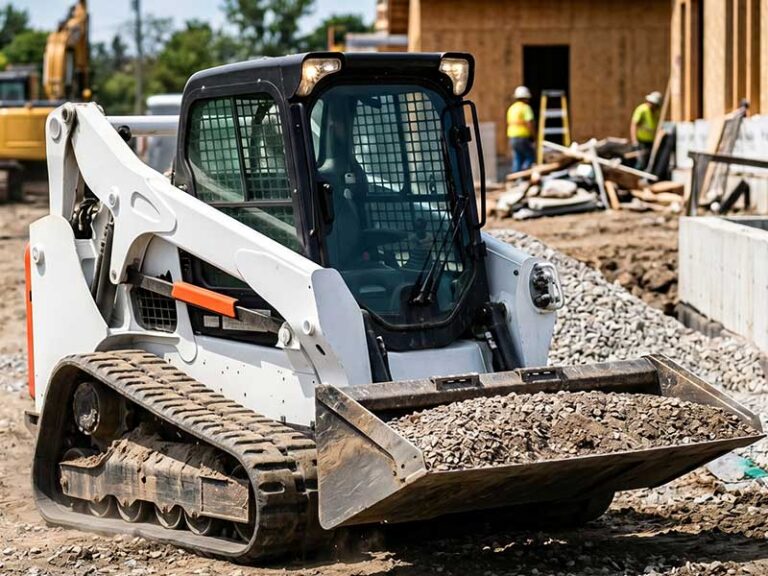
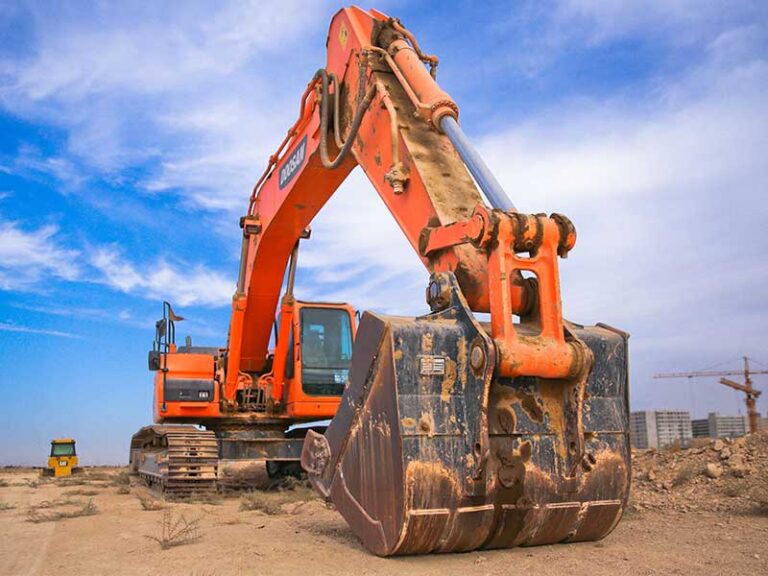
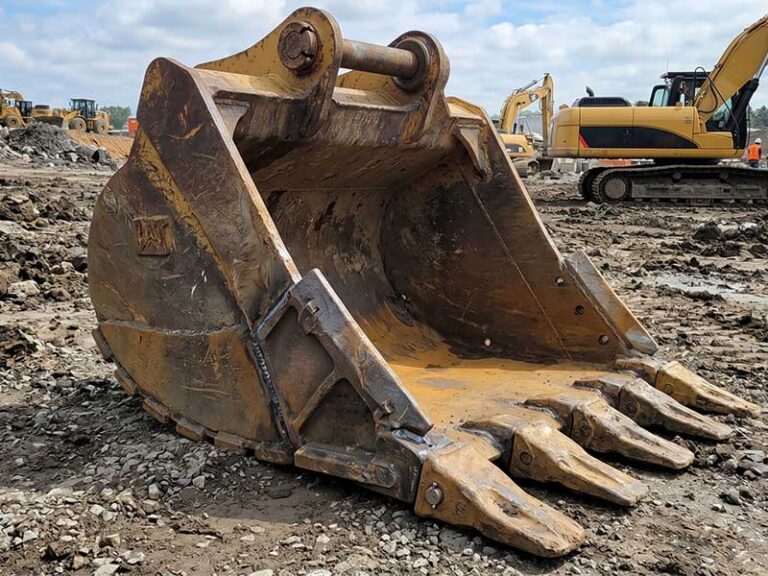
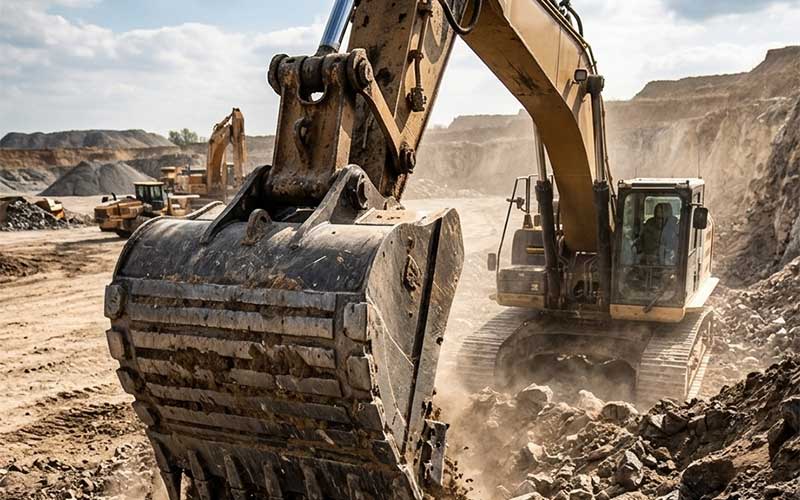
In the field of construction machinery, “G.E.T. Parts” stands for Ground Engaging Tools. This category comprises high-strength, wear-prone components specifically designed to be mounted on the front end of heavy machinery—such as excavators, bulldozers, and loaders—where they make direct contact with soil, rock, ice, or snow. Because these components are subjected to immense friction, impact forces, and abrasion, they are typically manufactured from specially hardened steel and require periodic replacement to protect the machine’s primary structural components.
Common G.E.T. Components
- Bucket Teeth & Adapters: Mounted at the very front of a bucket, these components directly penetrate and excavate material.
- Cutting Edges & End Bits: Blades secured to the bottom and edges of a bulldozer or grader blade.
- Ripper Shanks & Teeth: Sharp, tooth-like components used to fracture hard rock or frozen ground.
- Side Cutters: Blades mounted on the sides of a bucket, designed to cut through material and protect the bucket walls.
- Wear Bars / Wear Plates: Abrasion-resistant strips welded to the bottom or interior of a bucket to minimize wear on the primary steel plating.
G.E.T. Parts Precision Casting Processes
In the realm of precision casting (also known as investment casting)—particularly in the production of components such as bucket teeth, adapters (G.E.T. parts), and structural parts for automotive and machinery applications—the choice of casting process directly determines the product’s surface finish, internal defect control, mechanical properties (such as wear resistance and impact strength), and ultimate manufacturing cost.
Truecastings specializes in industrial wear parts and precision components; the primary distinctions relevant to our core offerings lie between Water Glass Investment Casting and Silica Sol Investment Casting, as well as the commonly cited alternatives: Resin-Coated Shell Molding and Traditional Sand Casting.
The following is a comparison of their core differences:
1. Water Glass Precision Casting (Water Glass Investment Casting)
Currently, this is the most mainstream and cost-effective process in China for manufacturing wear parts for construction machinery—including excavator bucket teeth, adapters, cutting edges, and similar components. Process Characteristics: While also utilizing the lost-wax method, this process employs water glass (an aqueous solution of sodium silicate) as the binder.
Surface Quality: Surface roughness typically falls around Ra 12.5; this is slightly inferior to the silica sol method but is entirely adequate for engineering machinery components.
Dimensional Accuracy: Falls within the CT7 to CT9 tolerance grades.
Advantages: Low cost and short production cycles. Capable of casting heavy steel components ranging from a few tens of grams up to hundreds of kilograms, making it highly suitable for large-scale mining bucket teeth and heavy-duty structural parts.
Disadvantages: Incapable of producing extremely intricate, thin-walled components; the surface finish—particularly regarding shell removal—is slightly coarser compared to the silica sol method.
2. Silica Sol Investment Casting
This represents the pinnacle of precision casting technology. It is typically employed to manufacture products with exceptionally stringent requirements for precision and internal integrity—such as stainless steel components, precision automotive parts, hydraulic manifolds, and engine mounts.
Process Characteristics: Utilizes high-quality colloidal silica (silica sol) as the binder, with the face-coat slurry formulated to an extremely fine consistency.
Surface Quality: The surface is exceptionally smooth, with roughness levels reaching Ra 3.2 to Ra 6.3; the resulting castings possess an inherent, premium-quality metallic finish.
Dimensional Accuracy: Extremely high (CT4 to CT6 grades); in many cases, surfaces can be used directly without the need for subsequent machining (known as “Net-shape casting”).
Advantages: High material purity, along with excellent toughness and fatigue resistance. The interior of the castings is virtually free of defects such as porosity or sand inclusions, exhibiting a highly dense metallurgical structure.
Disadvantages: High cost—due to expensive raw materials—and long production cycles (as each layer of the ceramic shell requires strictly controlled temperature, humidity, and air-drying conditions). It is generally not recommended for the production of standard, consumable bucket teeth.
3. Shell Molding / Standard Sand Casting
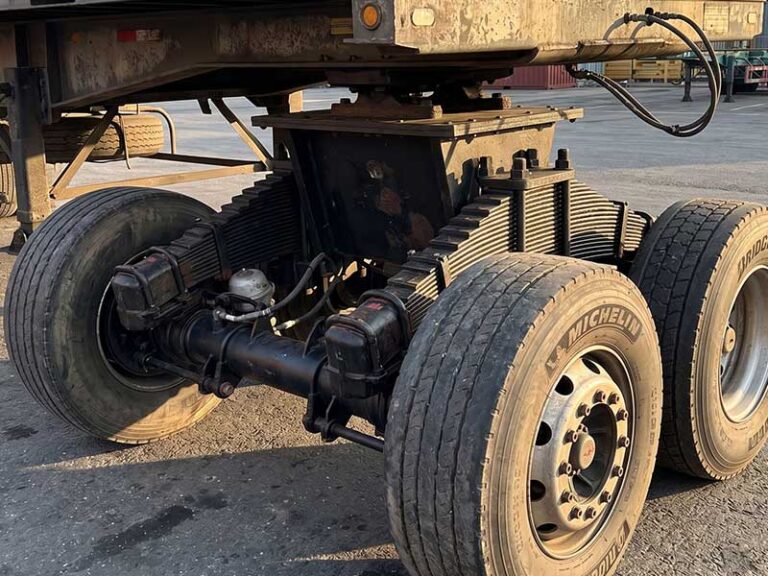
In pursuit of the absolute lowest production costs, some factories opt to use standard sand casting or shell molding (resin-bonded sand) techniques to manufacture bucket teeth or heavy-duty trailer coupling components.
Process Characteristics: Unlike the lost-wax method, this process does not utilize wax patterns; instead, wooden or aluminum patterns are used to form the sand molds, into which the molten metal is poured directly. Surface Quality: Relatively rough (Ra 25 – Ra 50); the surface often exhibits a granular texture.
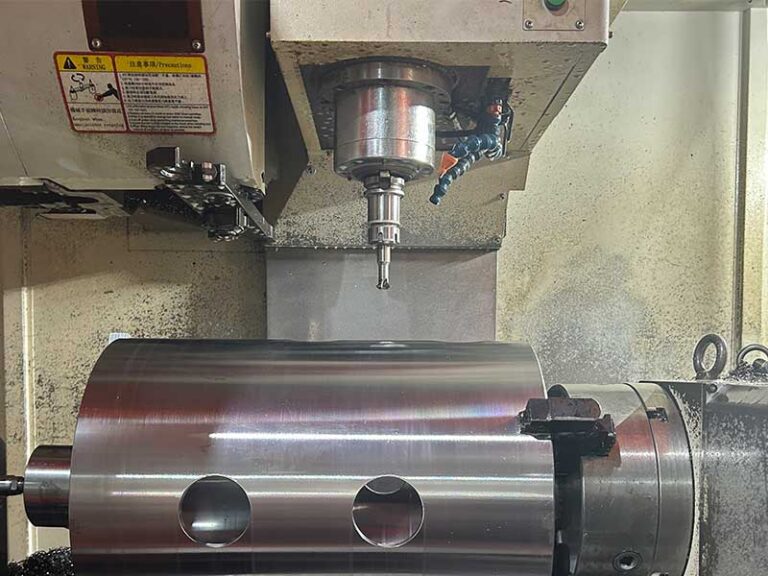
Dimensional Accuracy: Low (CT10 – CT12 grade); a substantial machining allowance must be provided.
Advantages: Extremely low cost and low tooling expenses; suitable for producing massive components weighing tens of tons, or rough castings with extremely simple geometries.
Disadvantages: Prone to internal defects such as porosity, sand inclusions, and shrinkage cavities. If this process is used to manufacture bucket teeth, they are highly susceptible to fracture under the harsh operating conditions typically found in mining environments.
Comparison Table of Key Technical Parameters
| Characteristics / Process | Silica Sol Investment Casting | Water Glass Investment Casting | Resin-Coated Sand / Sand Casting |
| Typical Applications (G.E.T.) | High-end Stainless Steel Parts, Hydraulic Manifolds | Standard Bucket Teeth, Adapters, Tractor Components | Large Counterweights, Rough Structural Components |
| Dimensional Tolerance Grade | CT4 – CT6 (Highly Precise) | CT7 – CT9 (Moderately Precise) | CT10 – CT12 (Coarser Finish) |
| Surface Roughness (Ra) | 3.2 – 6.3 µm (Smooth Finish) | 12.5 µm (Standard) | 25 – 50 µm (Rough) |
| Internal Defect Rate | Extremely Low (Passes X-ray/NDT Inspection) | Low (Controllable via Proper Gating/Riser Design) | Higher (Significant Risk of Porosity/Sand Inclusions) |
| Individual Unit Weight Range | Typically < 50 kg (Suitable for Small Parts) | Ranges from Tens to Hundreds of Kilograms | Ranges from a Few Kilograms to Tens of Tons |
| Relative Production Cost | High (100%) | Medium (Approx. 50% – 60%) | Low (Approx. 25% – 35%) |
Product Recommendation Solution for Construction Machinery Parts Buyers
Core Client Demands: Premium cost-performance and reliable anti-breakage performance of mechanical parts
Truecasting adopts two professional investment casting processes for different product lines, precisely matching your dual pursuit of cost control and product durability. Each process is tailored to specific application scenarios to maximize your procurement benefits and part service life.
1. Bucket Teeth & Tooth Holders: Water Glass Investment Casting Solution
For construction machinery wearing parts including bucket teeth and tooth holders, we adopt the mature and cost-effective Water Glass Investment Casting process, which perfectly balances stable product quality and optimized procurement costs.
This process features high mold forming stability and excellent material compactness control. It ensures uniform internal density of bucket teeth and tooth holders, effectively avoiding internal porosity, shrinkage and other defects that cause breakage and wear.
Strict dimensional precision control is implemented throughout production to guarantee standard Leg Gap and precise fitting size. Such high matching accuracy enables seamless assembly with original equipment, eliminating loose installation, abnormal abrasion and structural failure during heavy-load operation.
Compared with high-end casting processes, water glass investment casting maintains qualified mechanical properties, outstanding anti-breakage ability and stable overall performance under conventional working conditions. It greatly reduces production costs while meeting daily heavy-duty use standards, deliveringexcellent cost-performance — the most cost-effective choice for bulk procurement of engineering wearing parts.
2. Hydraulic, Automotive & Heavy-Load Connecting Parts: Silica Sol Process Solution
For high-demand core components such as hydraulic parts, automotive structural parts and high-bearing connectors, we apply the advanced Silica Sol Process to target the high-end market and meet stringent requirements for high strength and long service life of precision load-bearing parts.
Adopting nano-level colloidal silica as the binder, the silica sol process forms a dense, uniform and high-strength ceramic shell through controlled slow drying.
This sophisticated manufacturing method delivers zero internal defects in finished parts, completely eradicating hidden dangers like internal cracks, pores and inclusions that lead to sudden fracture of load-bearing components.
In addition, this process endows parts with high structural strength and superior fatigue resistance. The connectors can withstand long-term alternating loads, frequent friction and high-pressure working environments. They maintain stable structural performance without deformation or breakage after long-time continuous operation, effectively reducing part replacement frequency and equipment maintenance costs. It is the optimal high-reliability solution for core load-bearing and connecting parts with strict quality standards.
Truecasting Core Advantages
1. Customized Process Matching: Select targeted casting technologies for different parts to avoid performance redundancy or quality insufficiency.
2. Dual Guarantee of Cost and Quality: Water glass casting controls costs for wearing parts; silica sol casting ensures high durability for core parts.
3. Reliable Anti-breakage Performance: Strict compactness and structural optimization adapt to harsh engineering working conditions, improving overall equipment stability.