


Forging vs. Casting: Heavy-Duty GET Wear Parts for Excavator Bucket Teeth
The global Ground Engaging Tools (GET) market, including excavator bucket teeth, adapters and cutting edges. As per Market Research Future analysis, the Ground Engaging Tools Market Size was estimated at 12.41 USD Billion in 2024. The Ground Engaging Tools industry is projected to grow from 12.82 USD Billion in 2025 to 17.78 USD Billion by 2035, exhibiting a compound annual growth rate (CAGR) of 3.32% during the forecast period 2025 – 2035.
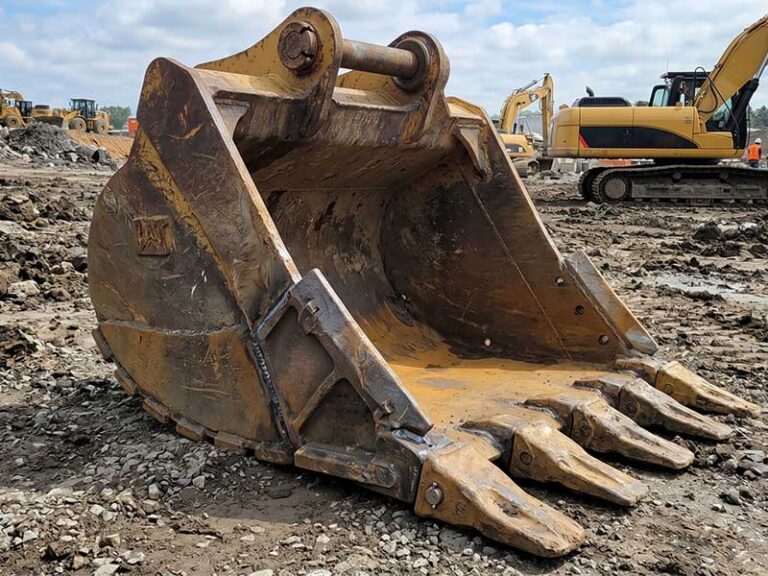
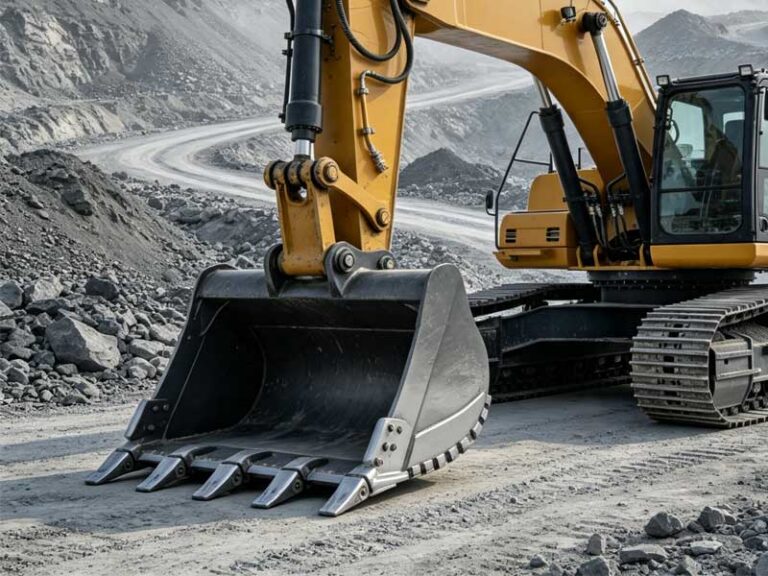
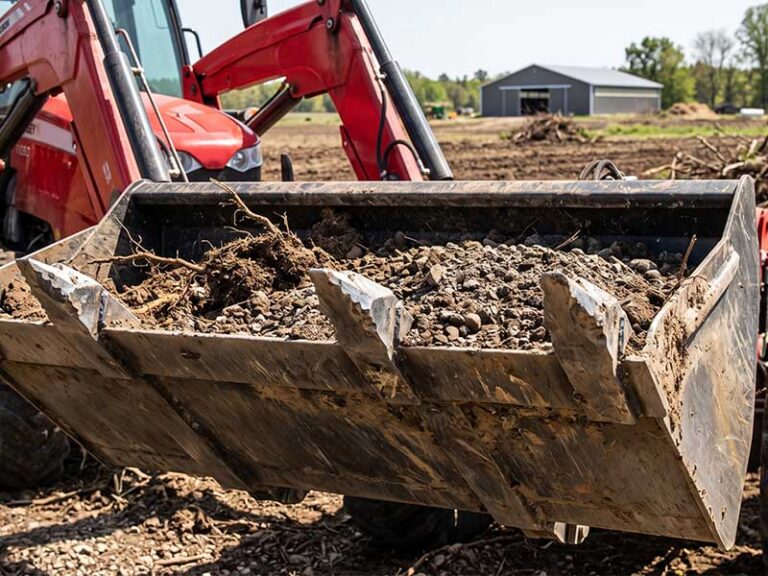
Among all GET components, bucket teeth account for roughly 42% of total shipment volume, making material and manufacturing process selection one of the most critical decisions for equipment operators and OEMs.
When deciding whether to trust a forged or cast metal component, the answer depends entirely on operational load conditions. The core distinction lies in the metal’s internal grain structure and how each manufacturing method reshapes raw material.
Forging: The Champion of Raw Structural Strength
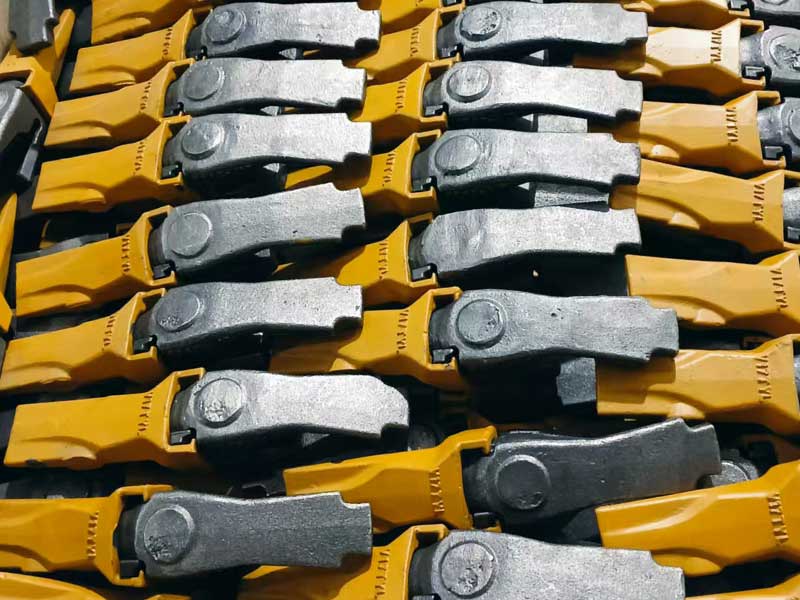
Forging heats solid metal and forms components via extreme hammering or hydraulic pressing. Intense mechanical pressure rearranges the metal’s internal grain structure, aligning grain flow to match the contour of the finished part.
Core Advantages: Continuous, oriented grain flow delivers superior tensile strength, fatigue resistance and impact resistance. The process largely eliminates internal voids, porosity and micro-defects common in casting.
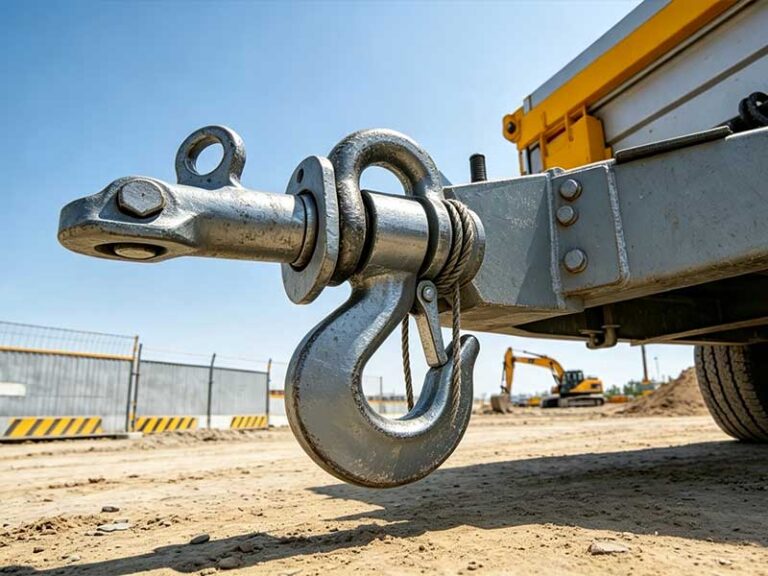
Best-fit Scenarios: Forging is specified for components enduring sustained high-stress directional loads: heavy-duty drawbars, high-load gears, suspension arms and critical safety parts where catastrophic failure cannot be tolerated. In the global bucket tooth market, forged bucket teeth occupy 31.4% market share (USD 681.25 million revenue in 2025), preferred for extreme rock excavation with repetitive heavy shock.
Casting: The Master of Complex Geometry & Wear Customization
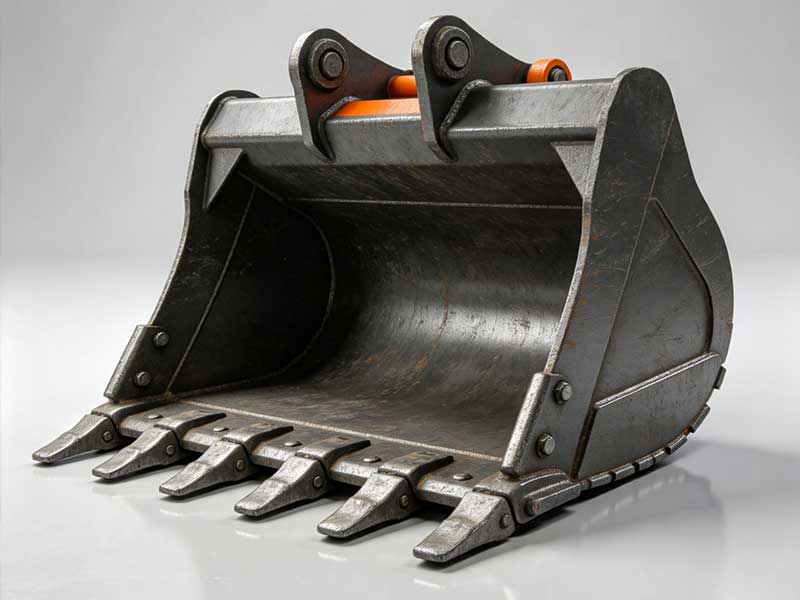
Casting melts metal into liquid state and pours molten alloy into precision moulds. As liquid metal cools and solidifies, grains form randomly without directional alignment.
Core Advantages: Casting enables intricate geometries, internal cavities and multi-level complex profiles that are uneconomical or impossible to produce via forging. Foundries can deploy custom alloy formulations tailored to abrasion and corrosion requirements.
Best-fit Scenarios: Casting dominates GET production, capturing 68.6% of the global bucket tooth market (USD 1,489.55 million revenue in 2025). Excavator bucket teeth, adapters and spring brake chambers are typical cast wear parts. Manufacturers pour abrasion-resistant alloys into near-net-shape moulds, cutting secondary machining costs and supporting high-volume mass production.
Table 1: Direct Comparison – Forging vs Casting for Heavy Machinery Components
| Feature | Forging | Casting |
|---|---|---|
| Internal Metallic Structure | Aligned, continuous grain flow | Random, non-directional grain formation |
| Standout Performance | Maximum tensile strength, fatigue & impact resistance | Complex geometric capability, flexible alloy formulation |
| Inherent Vulnerabilities | Limited production feasibility for highly complex shapes | Risk of internal porosity and shrinkage defects with poor process control |
| Typical Heavy-Duty Components | Drawbars, shafts, connecting rods, high-impact forged bucket teeth | Bucket teeth, adapters, brake chambers, engine blocks |
| Global Bucket Tooth Market Share (2025) | 31.4% | 68.6% |
| Typical Production Cost | Higher, longer manufacturing cycle | Lower for mass production, shorter lead time for standard wear parts |
Selecting Premium Cast Steel Alloys for High-Abrasion Excavator Bucket Teeth
For cast GET wear parts like excavator bucket teeth, material engineering balances surface hardness (to resist continuous abrasion) and core toughness (to avoid sudden cracking under impact). Industry statistics show high-manganese steel accounts for approximately 60% of cast bucket tooth material consumption, while chromium-molybdenum low-alloy steel occupies 30% of the market. Three alloy families dominate commercial production:
1. High-Manganese Cast Steel (Impact Specialist)
High-manganese steel features unique work-hardening metallurgical behaviour. When subjected to repeated heavy rock impacts, the component surface compresses and hardens dynamically, boosting abrasion resistance, while the inner core retains ductility to prevent fracture.
Optimal Application: High-impact rock excavation, quarrying and mining. Ideal for penetrating tooth profiles such as V19 TYL teeth tasked with breaking solid bedrock. Field trials confirm properly formulated high-manganese teeth deliver 33.7% longer service life than standard unalloyed cast steel under gouging abrasion conditions.
2. Chromium-Molybdenum (Chromoly) Low-Alloy Steel
Controlled ratios of chromium, molybdenum and nickel create versatile low-alloy cast steel. Precision quenching and tempering achieve a uniform high-strength matrix, delivering reliable resistance against sliding abrasion from sand, gravel and compacted earth without excessive brittleness.
Optimal Application: Mixed working conditions and general-purpose digging. Standard multi-use tooth profiles including 23TL and X156 perform consistently across construction and earthmoving sites. Chromoly alloy teeth reach HRC 50–56 after heat treatment, offering balanced wear and impact performance.
3. Surface-Hardened Alloy Steels
Instead of uniform alloy properties across the whole casting, these materials adopt targeted heat treatment or surface alloying to create dual-property components: an ultra-hard outer shell for abrasion resistance and a tougher inner core to absorb shock loads.
Optimal Application: High-abrasion, low-shock environments such as silica sand pits and gravel yards, where cutting-edge wear rather than heavy rock impact is the primary failure mode.
Table 2: Top Cast Steel Alloys for Excavator Bucket Teeth – Performance & Application Guide
| Alloy Grade | Core Metallurgical Traits | Key Strengths | Primary Limitations | Ideal Working Environment | Representative Tooth Profiles |
|---|---|---|---|---|---|
| High-Manganese Cast Steel | Dynamic work-hardening under impact; ductile core | Outstanding gouging abrasion resistance, anti-cracking performance | Limited wear resistance under low-impact sliding abrasion | Rock quarry, hard ore mining, heavy impact excavation | V19, TYL series penetrating teeth |
| Chromium-Molybdenum Low-Alloy Cast Steel | Uniform hardness after quenching & tempering | Balanced sliding abrasion resistance and toughness | Performance drops under continuous extreme heavy impact | General construction, dirt excavation, mixed gravel sites | 23TL, X156 standard digging teeth |
| Surface-Hardened Alloy Steel | Hardened outer layer, shock-absorbent inner matrix | Superior resistance to continuous sliding abrasion | Risk of surface layer spalling under heavy sharp impact | Sand pits, aggregate yards, low-impact abrasive digging | Light-to-medium duty flat digging teeth |
Final Verdict for Equipment Operators & Procurement
- If you source structural load-bearing components subject to sustained pulling force or cyclic bending loads, forged components deliver higher reliability.
- If you procure heavy equipment wear parts such as excavator bucket teeth requiring complex shapes, efficient mass production and custom abrasion-resistant metallurgy, high-quality cast components are the preferred solution – provided parts are sourced from certified foundries with strict porosity control and professional heat treatment workflows.
For cast bucket tooth material selection:
- Prioritise high-manganese steel for rock mining with frequent heavy impacts;
- Select chromoly low-alloy steel for versatile general construction work;
- Deploy surface-hardened alloy steel for low-impact, highly abrasive sand and aggregate operations.
Matching alloy selection to site ground conditions remains the most effective way to extend component service life and lower total operating costs.