


The Science of Durability: How Precision Casting Creates Unmatched Wear Resistance
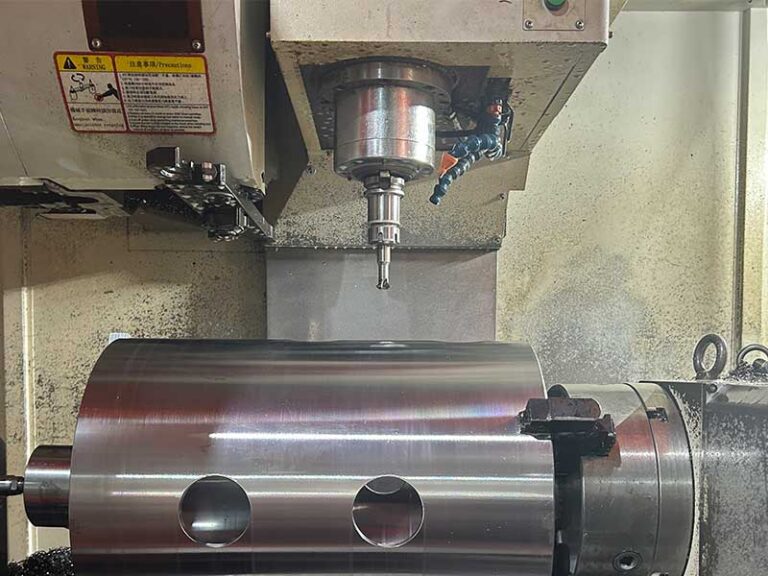
Precision investment casting represents the pinnacle of metal component manufacturing, combining centuries-old techniques with cutting-edge materials science. Unlike conventional casting methods, this process begins with creating a precise wax pattern of the desired component, which is then coated with multiple layers of ceramic slurry to form a solid mold. The wax is melted out, leaving a perfect negative cavity into which molten metal is poured under controlled conditions. This method achieves dimensional accuracies within ±0.005 inches per inch and surface finishes to 125 microinches RMS, eliminating up to 90% of secondary machining operations. The controlled solidification process allows for exceptional metallurgical properties, creating components with superior density and minimal voids or inclusions that could compromise integrity.
The true engineering marvel lies in the metallurgical advancements possible through precision casting. Truecasteng utilizes proprietary alloy systems including high-chrome white irons (28-32% Cr), nickel-chrome superalloys, and specialized martensitic steels that achieve hardness ratings between 500-800 HBW while maintaining crucial impact resistance. These materials develop complex carbide structures within their matrix – particularly the formation of M7C3 carbides in high-chrome alloys – which create a wear-resistant network harder than most abrasive materials they encounter. The controlled cooling rates possible in investment casting allow for optimal carbide distribution and size control, preventing the brittle fracture common in rapidly cooled conventional castings.
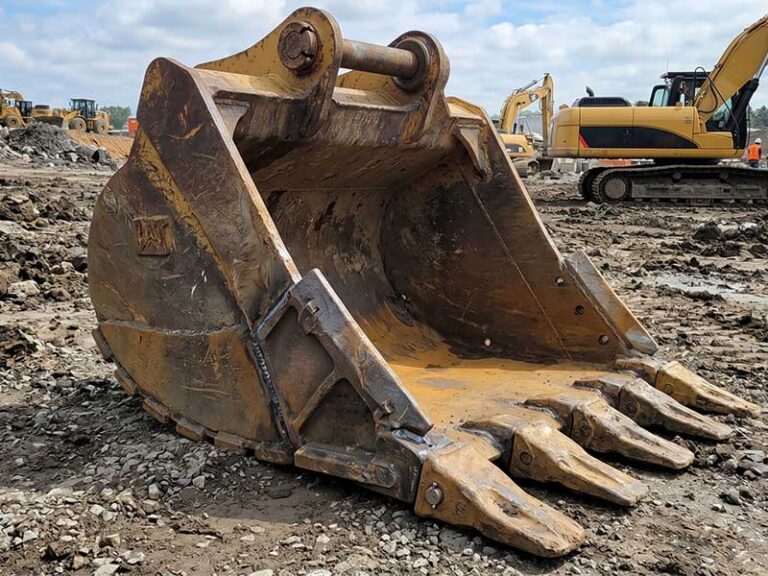
For agricultural applications, this technology transforms how equipment interacts with abrasive environments. Cultivator points and tillage tools benefit from gradient hardness designs where the working edge achieves 650+ HBW while the mounting structure maintains 350-400 HBW for shock absorption. The process enables complex internal cooling channels in spray system components, preventing deformation under thermal cycling while the precise surface finishes reduce clogging and material buildup. In harvesting equipment, augers and conveyors incorporate wear patterns that actually improve material flow characteristics while resisting abrasion from crop materials and soil contaminants.
Industrial wear components achieve unprecedented service life through microstructural engineering. Crusher liners and grinding mill components utilize functionally graded materials where the working surface develops columnar chromium carbides perpendicular to the wear surface, creating a “self-sharpening” effect as the softer matrix wears slightly faster. Slurry pump impellers and volutes incorporate erosion-resistant profiles that maintain hydraulic efficiency throughout their lifespan. The manufacturing process allows for strategic material placement, adding wear-resistant materials only where needed, reducing both cost and weight without compromising performance.
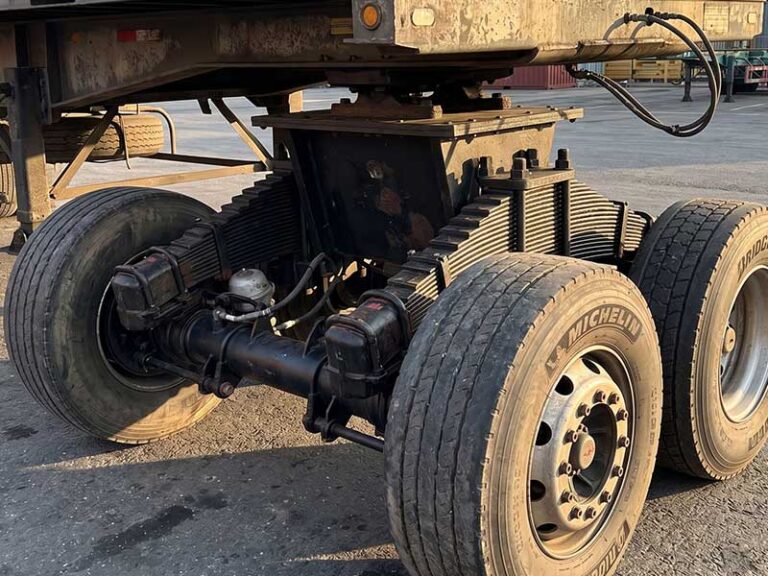
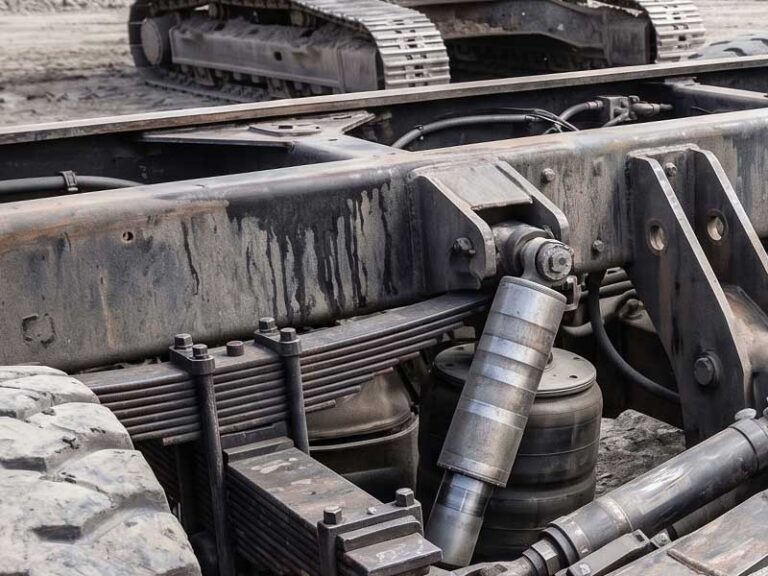
Transportation components benefit from the fatigue resistance and dimensional stability of precision-cast parts. Fifth wheel assemblies and suspension components develop optimized grain flow patterns that resist crack propagation under cyclic loading. The process creates net-shape gear teeth and splines that demonstrate superior wear characteristics compared to machined alternatives. Brake system components achieve perfect sealing surfaces that prevent fluid leakage while resisting corrosion from road salts and environmental exposure.
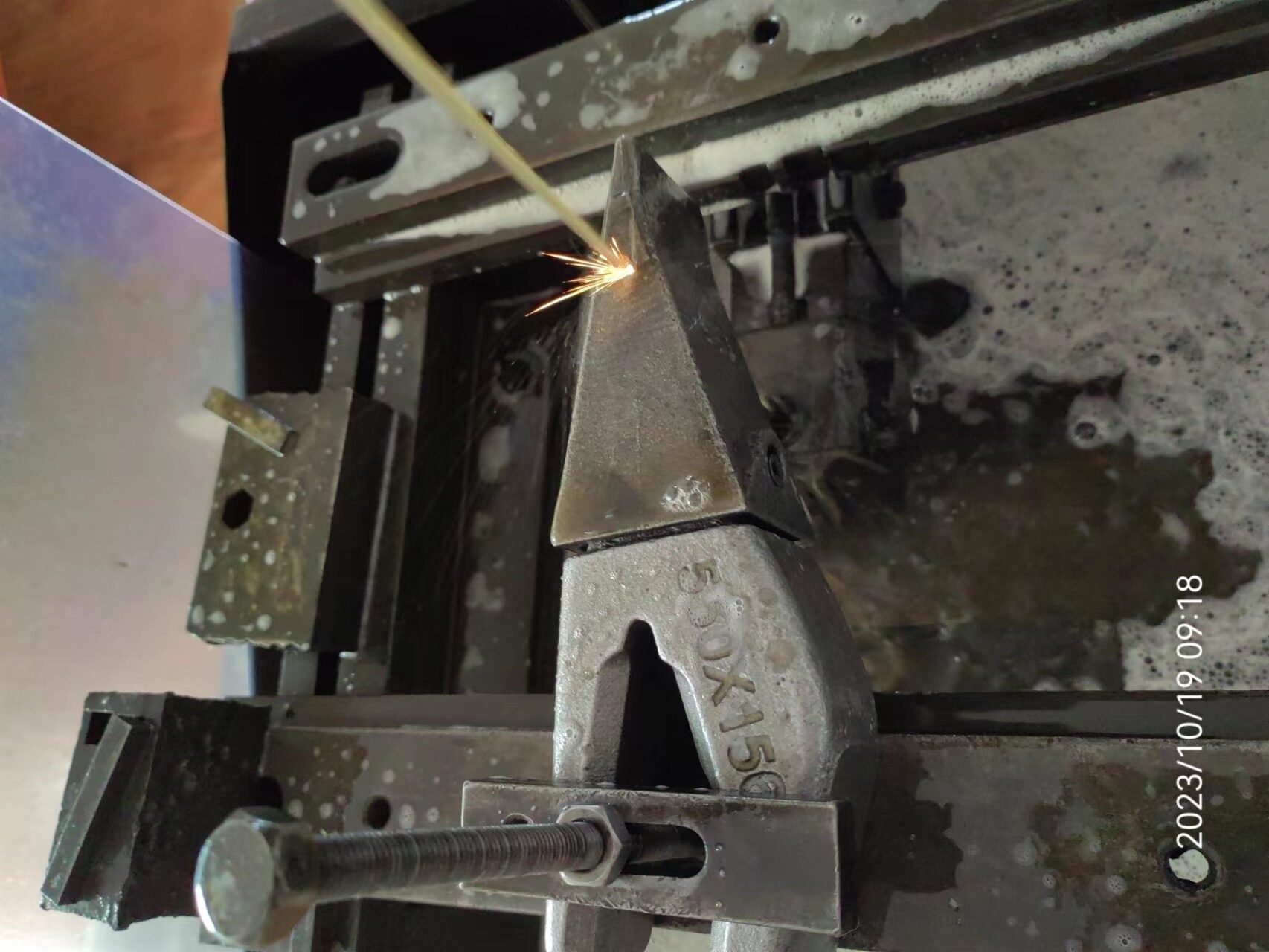
Truecasteng’s engineering approach combines computational fluid dynamics for wear pattern prediction with finite element analysis for stress optimization. Each component undergoes rigorous quality verification including spectrographic analysis, radiographic inspection, and coordinate measuring machine validation. The result is not just a replacement part, but a performance-enhanced solution that outlasts conventional components by 200-400% in most applications, representing the perfect marriage of materials science and manufacturing excellence for extreme environment applications across the agricultural, industrial, and transportation sectors.