


Manual Labor vs Automation: Evolving Landscape of Precision Casting & Investment Casting in 2026
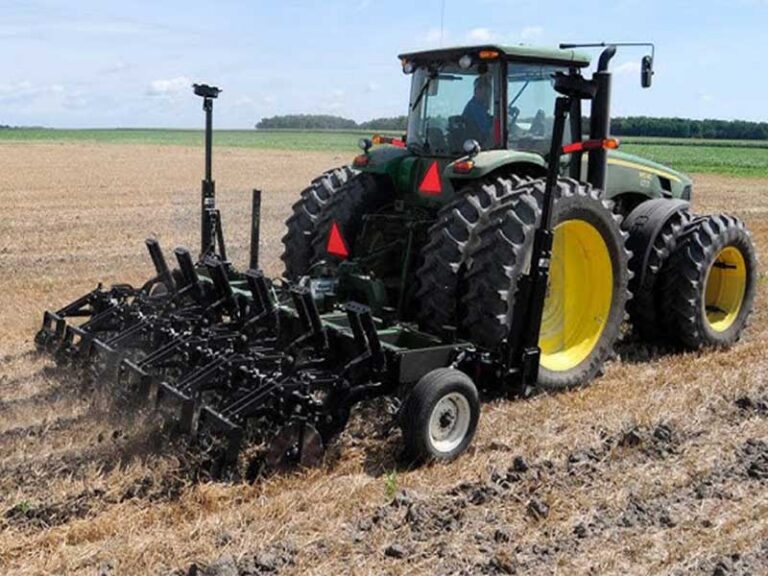
Investment casting, also widely defined as precision casting including silica sol and water glass two mainstream production routes, has long relied on experienced manual workmanship for complex component fabrication across construction, agricultural , contruction vechicles and automotive industries.
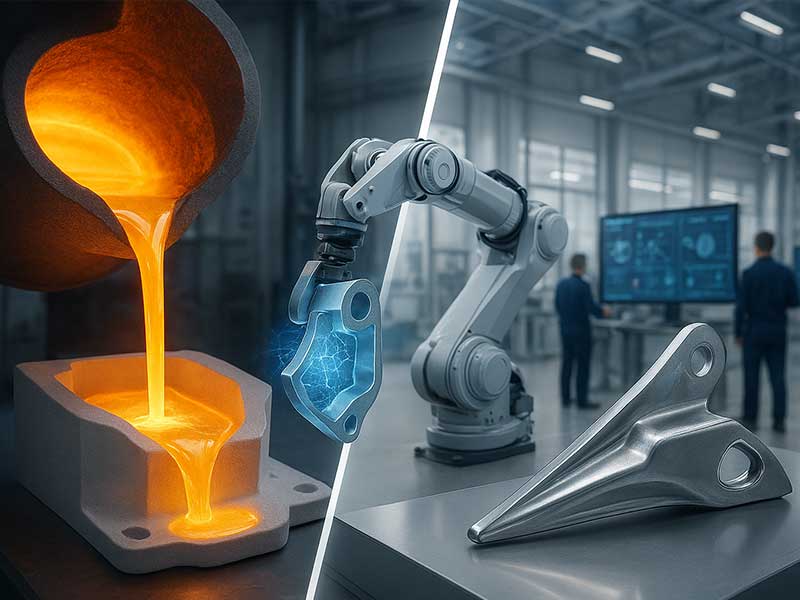
After decades of equipment upgrade and industrial iteration, the whole sector is accelerating the shift from labor-intensive production toward semi-automated and full-automatic smart manufacturing, forming a mature mixed production mode combining robotic automation and skilled manual operation as the mainstream industry layout in 2026.
Fully unmanned one-click dark factories have been successfully put into operation only among top-tier large manufacturers focusing on aerospace turbine blades and core automotive spare parts, supported by huge capital input and standardized mass orders. Nevertheless, restricted by massive upfront investment and diversified customized orders covering various irregular castings, hybrid human-machine cooperation dominates most investment casting foundries globally in current market.
Detailed Automation Adoption Across Core Precision Casting Workflows
The whole production chain of investment casting covers wax injection, tree assembly, shell making, dewaxing, sintering, melting & pouring, and post-finishing, presenting obvious differentiated automation penetration among individual working procedures, sorted as below:
| Production Process | Automation Level | Practical Production Mode | Core Feature |
|---|---|---|---|
| Wax Injection | Highly Automated | Full-auto servo wax injectors with auto demolding & releasing agent spraying | Standardized parameter control, stable wax mold dimension, minimal human intervention |
| Wax Tree Assembly | Dual-mode (Manual / Robotic Auto) | Small factories: manual soldering with electric iron; Top plants: vision-guided assembly robot | Manual fits small-batch complex wax pieces; robot for large-volume uniform production |
| Shell Making (Dipping & Sanding) | Highest Automation Rate | Six-axis robotic arm + automatic drying chamber conveying line | Robotic multi-angle slurry dipping and rain-type sand spreading, unmanned workshop mainstream in medium & large foundries |
| Dewax & Shell Sintering | Mostly Automated | Auto steam dewaxing kettle + continuous stepping sintering tunnel furnace | Computer-controlled temperature curve, auto feeding and finished shell delivery to pouring station |
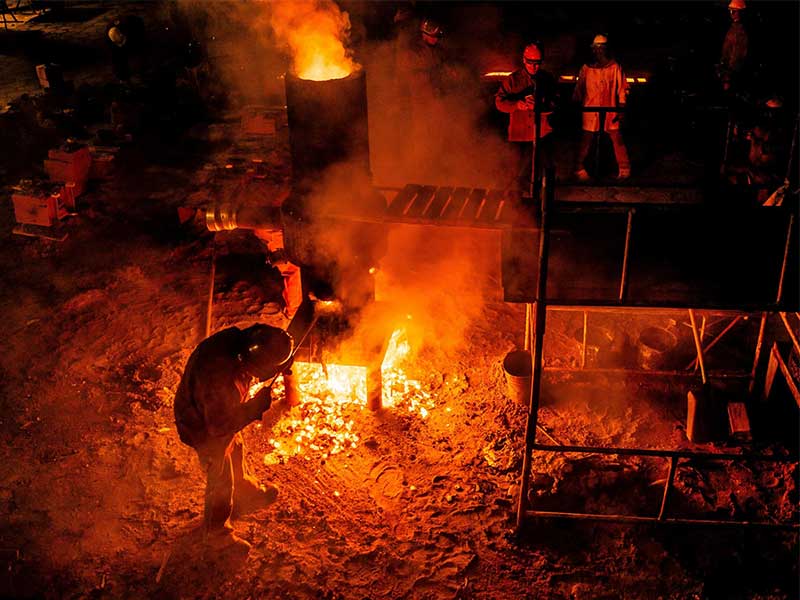
| Melting & Pouring | Medium-High Automation | Full-auto pouring robot for mass orders; manual ladle pouring for multi-spec small batches | Robotic weight & visual precise quantitative pouring cuts high-risk heavy manual work |
| Post-treatment (Shakeout, Cutting, Grinding) | Lowest Automation | Semi-auto shot blast + manual trimming; dedicated grinding robot only for single-spec bulk items | Irregular multi-variety castings still heavily depend on skilled workers’ fine finishing |
Core Restrictions Blocking Full-scale 100% Automation Popularization for Precision Casting
Even with mature full-auto technical solutions available for complete investment casting production lines, three critical barriers prevent universal adoption among medium and small-scale foundries in 2026:
- High-Mix Low-Volume Market Demand: One core competitive advantage of precision casting lies in manufacturing irregular complex structural spare parts. Frequent specification switching requires repeated robot programming and fixture replacement, whose time and labor cost far surpass flexible manual production cost.
- Prohibitive Initial Capital Investment: A complete set of automated shell-making line, intelligent pouring system and visual inspection equipment costs millions to tens of millions USD, leading to ultra-long investment payback cycles discouraging small-size casting manufacturers.
- Shortage of Professional Automation Talents: Smart casting production demands specialized robot programming and digital maintenance engineers, a talent pool most traditional foundries fail to build up with existing staffing structure.
Key Industry Development Trends of Precision & Investment Casting in 2026
Driven by Industry 4.0 and downstream machinery spare parts market expansion, three definitive development directions dominate global investment casting industry in 2026:
1. Popularization of Human-Robot Collaborative Flexible Production
Cooperative cobots with no-code programming replace part of repetitive manual work gradually instead of full worker elimination. Modular automated production units match small-batch customized orders efficiently, becoming the primary transformation choice for most mid-tier foundries to balance cost and productivity.
2. Digital Twin & MES System Wide Integration
More foundries deploy digital twin technology to simulate robotic workflow and optimize process parameters before equipment installation; production data connects MES & ERP system to realize full-process traceability, a mandatory standard for OEM procurement from construction machinery and agricultural equipment brands.
3. Complementary Application of 3D Printed Wax Pattern + Traditional Casting Automation
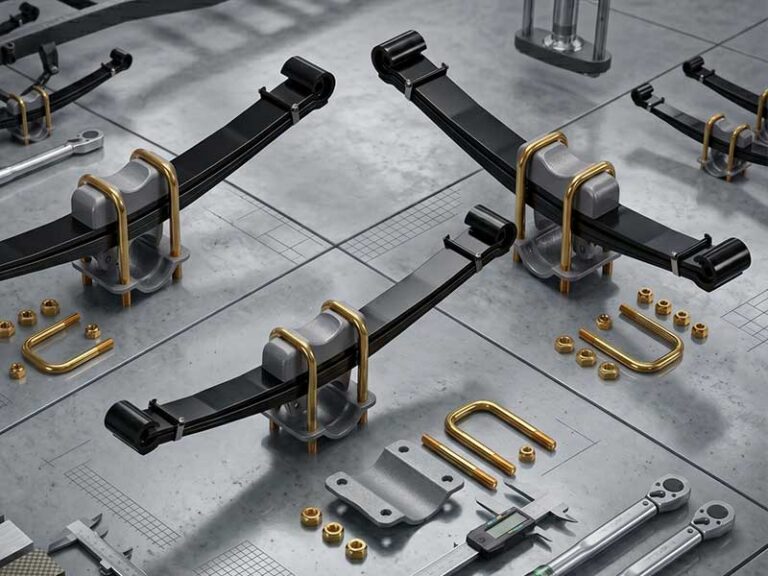
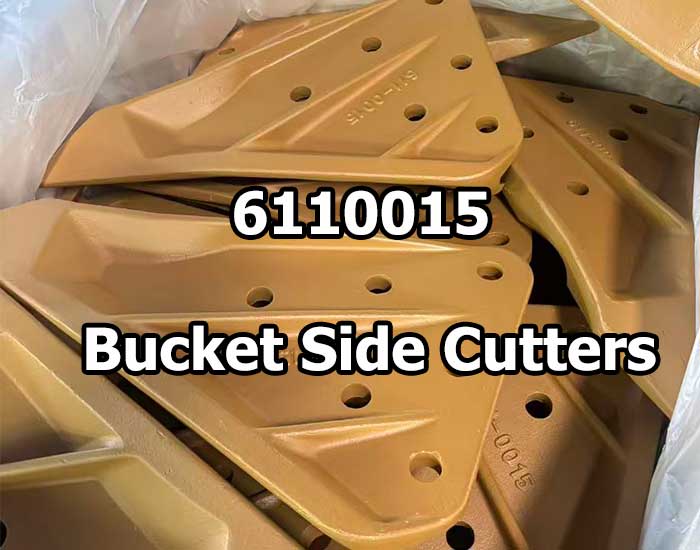
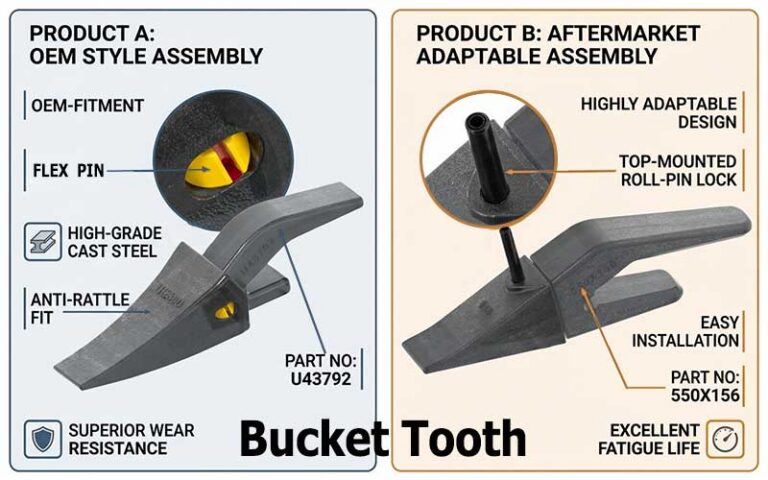
Falling cost of 3D printed disposable wax patterns optimizes small-order wax mold production, pairing with semi-auto core production equipment to cut small-batch production cycle greatly, further enrich flexible precision casting solutions for diversified aftermarket spare parts like bucket teeth and suspension components.
4. Gradual Cost Reduction of Domestic Automated Foundry Equipment
Localized servo wax injectors and robotic shell-making equipment lower overall automation upgrade expense year by year, accelerating semi-auto reform among domestic small casting factories focusing on construction and agricultural machinery castings.
Our Customized Precision & Investment Casting Solutions
As a professional manufacturer of precision investment castings in China, Truecasteng provides diversified customized investment casting solutions covering silica sol high-precision casting and cost-effective water glass precision casting, focusing on aftermarket spare parts manufacturing for agricultural machinery, truck & trailer accessories, excavator and full-range construction machinery industry.
Our core product portfolio includes excavator bucket teeth, all kinds of structural castings, connecting fittings and suspension system cast components, supporting OEM & ODM customized drawing production to match both large-batch automated mass production and small-batch complex manual finishing demands for global clients worldwide.