


Backhoe Bucket Teeth vs. Excavator Bucket Teeth: Comparison and Purchasing Guide
Backhoe Bucket Teeth vs. Excavator Bucket Teeth
Backhoes and excavators are two of the most widely used earthmoving equipment in the North American construction, municipal, and agricultural industries. While both machines rely on bucket teeth to complete digging, trenching, and material handling tasks, backhoe bucket teeth and excavator bucket teeth feature distinct structural designs, performance characteristics, and service adaptability.
The fundamental differences in machine structure, working power, and application scenarios lead to completely different selection criteria, wear resistance performance, and purchasing strategies for their bucket teeth. Choosing the right teeth not only improves construction efficiency but also significantly reduces equipment downtime and operating costs for North American contractors.
1. Fundamental Machine & Working Condition Differences
The core disparity between backhoe and excavator bucket teeth originates from the inherent differences between the two devices.
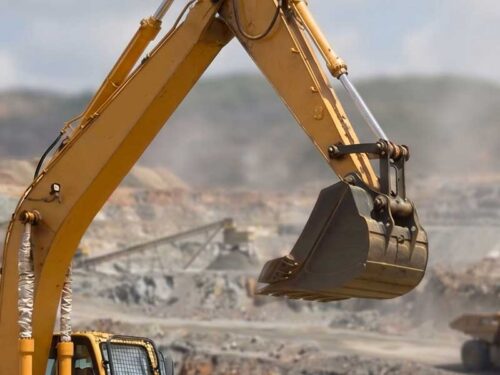
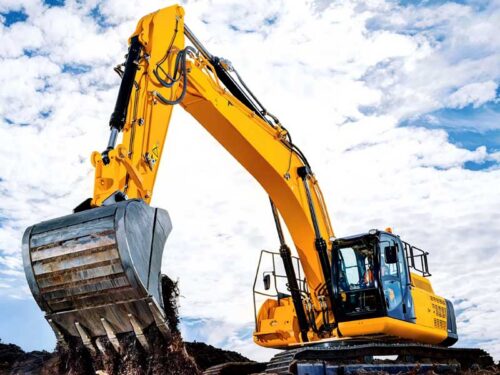
Excavators are heavy-duty, 360° rotatable professional digging machines with strong hydraulic power, dedicated to high-intensity mining and heavy earthwork.
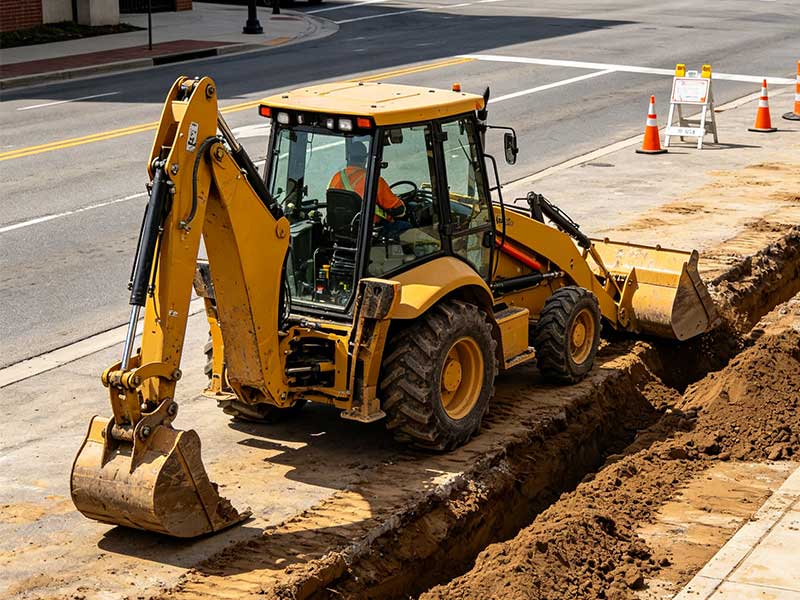
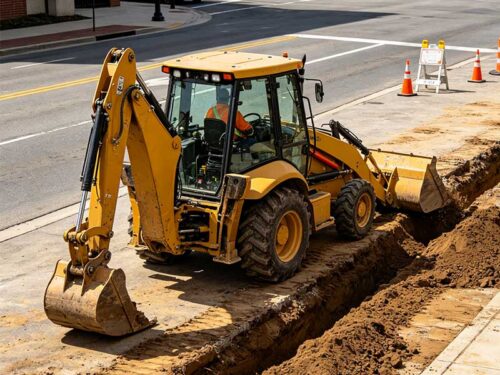
In contrast, backhoes (commonly known as “two-end busy” machines) are versatile wheeled equipment with front loading buckets and rear small digging arms, focusing on light-to-medium municipal and farm operations.
The following table summarizes their core working differences that determine bucket tooth selection.
|
Comparison Dimension
|
Excavator
|
Backhoe
|
|---|---|---|
|
Machine Positioning
|
Heavy-duty professional digging expert
|
Multi-functional light-duty construction all-rounder
|
|
Structural Feature
|
360° rotating cab, long digging arm, track chassis (mainstream), strong hydraulic impact force
|
Non-rotating cab, 200° limited rotating rear digging arm, wheel chassis, flexible movement, limited digging power
|
|
Main Working Scenarios
|
Mining, quarrying, large-scale foundation excavation, hard rock and frozen soil construction
|
Urban road maintenance, pipeline trenching, farm renovation, small-scale earthmoving, on-site cleaning and loading
|
|
Working Medium
|
Hard rock, caliche soil, frozen soil, high-abrasion gravel
|
Soft soil, ordinary gravel, loose earth, municipal backfill materials
|
2. Core Differences Between Excavator Bucket Teeth and Backhoe Bucket Teeth
Based on different working conditions, excavator bucket teeth and backhoe bucket teeth adopt targeted designs in tooth shape, penetration performance and functional orientation.
Excavator teeth prioritize penetration and impact resistance for harsh working conditions, while backhoe teeth focus on flatness, versatility and loading efficiency for fine municipal operations.
The key performance and type differences are listed in the table below.
|
Key Parameters
|
||
|---|---|---|
|
Main Tooth Types
|
Penetration teeth, Tiger teeth, Twin Tiger teeth, standard heavy-duty teeth (6Y3222)
|
Flat flare teeth (4T1300), standard general teeth, single-tip light Tiger teeth
|
|
Core Performance
|
High hardness, strong penetration, excellent impact resistance, concentrated stress to break hard rock and frozen soil
|
Wide and flat tooth surface, high filling rate, smooth trenching effect, good adaptability to soft and loose materials
|
|
Applicable Working Conditions
|
Extreme working conditions such as hard rock, northern frozen soil, and high-abrasion mining areas in North America
|
Conventional working conditions including municipal pipeline trenching, farm soil turning, and on-site material cleaning
|
|
Disadvantages in Mismatched Scenarios
|
Flat teeth will cause elastic bouncing and fail to cut into hard soil; improper tooth types lead to severe wear
|
Dual Tiger teeth are prone to jamming due to insufficient digging power, resulting in tooth breakage and equipment load failure
|
3. Wear Consumption & Purchasing Strategy Differences in North American Market
The North American construction market has unique characteristics of high labor costs, high equipment rental fees and strict construction schedules, which form differentiated consumption and purchasing habits for excavator bucket teeth and backhoe bucket teeth.
Excavator teeth are high-consumption vulnerable parts, while backhoe teeth are durable parts with low replacement frequency.
The detailed consumption rules and purchasing suggestions are as follows.
|
Consumption & Purchasing Dimension
|
Excavator Bucket Teeth
|
Backhoe Bucket Teeth
|
|---|---|---|
|
Service Life
|
40-100 working hours under high-abrasion rock conditions; fast wear and frequent failure
|
200-500 working hours under conventional soil conditions; slow wear and long service cycle
|
|
Purchasing Mode
|
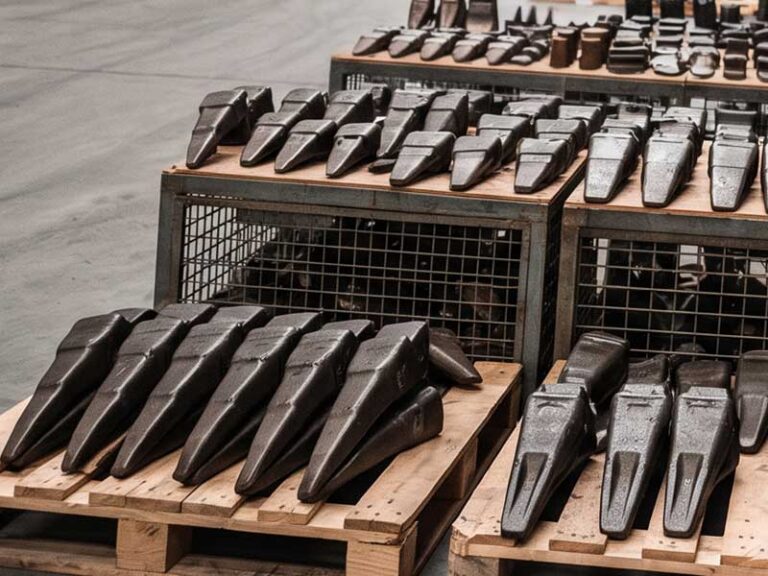
Bulk pallet purchasing, long-term stockpiling, regarded as essential consumables
|
Small-batch on-demand purchasing, replacement only after severe wear or fracture
|
|
Core Purchase Concern
|
Forging process (drop forged), fracture resistance, penetration performance and overall durability
|
Cost performance, wear layer thickness, flat forming effect and universal compatibility
|
|
Market Requirement Priority
|
Product quality and wear resistance first, acceptable premium for high-performance teeth
|
Cost control first, moderate quality meets daily operation needs
|
4. Key Purchasing Guidelines for North American Buyers
4.1 Purchasing Tips for Excavator Bucket Teeth
For North American contractors engaged in mining, quarry and hard soil construction, excavator bucket teeth must prioritize penetration and impact resistance.
Twin Tiger teeth are the optimal choice for frozen soil and hard rock working conditions in northern and central North America. The classic 6Y3222 standard teeth are suitable for daily conventional earthwork and can be stocked in large quantities. It is essential to select drop-forged teeth to avoid breakage under high hydraulic impact. Meanwhile, sufficient inventory reserve is critical to avoid construction downtime caused by sudden tooth wear.
4.2 Purchasing Tips for Backhoe Bucket Teeth
Most municipal engineering and agricultural construction scenarios in North America are applicable to flat flare backhoe bucket teeth (represented by 4T1300), which can create flat and neat trenches for pipeline laying and improve the loading efficiency of loose materials.
For occasional winter frozen soil operation, a small number of single-tip Tiger teeth can be prepared for emergency use. There is no need for large-scale stockpiling, and on-demand procurement can effectively control operating costs while ensuring basic wear resistance.
5. Conclusion
Backhoe bucket teeth and excavator bucket teeth are not interchangeable in most working scenarios due to differences in machine power, working conditions and functional positioning. Excavators rely on high-penetration, high-strength teeth to cope with heavy and harsh earthwork, requiring bulk stock procurement and strict quality screening. Backhoes match flat and versatile teeth suitable for light-duty and fine construction, with flexible on-demand purchasing. In the high-cost North American construction market, matching the correct bucket tooth type and adopting a scientific purchasing strategy can effectively reduce equipment downtime, improve construction efficiency, and maximize economic benefits for contractors.
When sourcing reliable, high-quality backhoe bucket teeth and excavator bucket teeth for global construction projects, Truecasteng stands out as a trusted professional manufacturer and supplier. Boasting more than 30 years of professional casting experience, we are a leading Chinese foundry enterprise specializing in the R&D, production and supply of construction machinery wear parts.
We deliver a comprehensive range of durable, cost-effective engineering machinery vulnerable parts that perfectly adapt to diverse working conditions in North America, Europe, Australia and other global markets. Adhering to strict casting craftsmanship and quality control standards, Truecasteng provides customized and standardized bucket tooth solutions for excavators and backhoes, helping global clients reduce equipment maintenance costs, extend part service life, and achieve stable and efficient construction operations.