


Alloy Steel Ripper Teeth: True Cost Per Hour in Hard Rock Mining
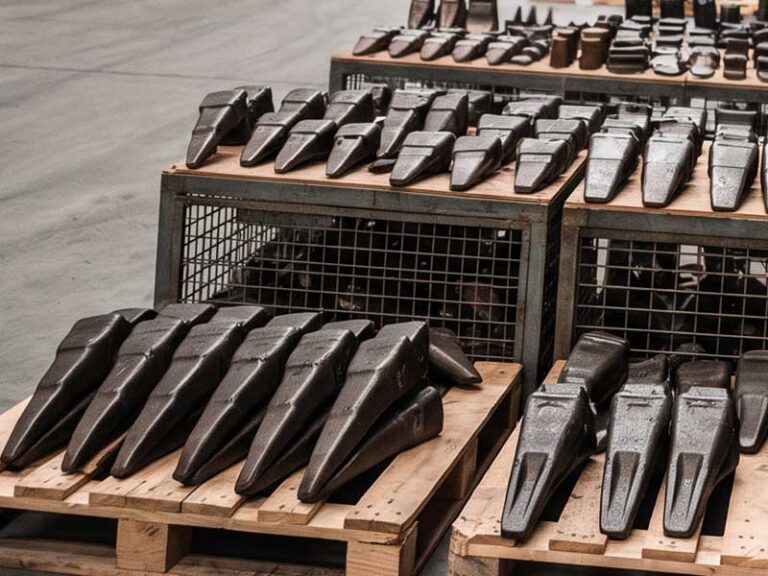
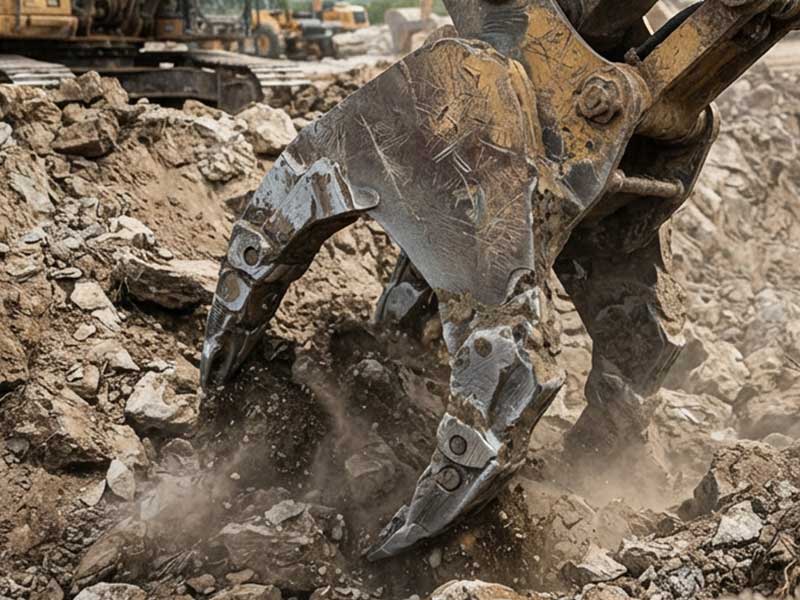
For hard rock mining operations, buying ripper teeth based only on unit price is one of the costliest procurement mistakes a site manager can make. Cheap carbon steel ripper teeth carry attractive upfront pricing, yet frequent breakage, scheduled change-outs, adapter damage, and production downtime quickly push their true operating cost far above premium alloy steel ripper teeth.
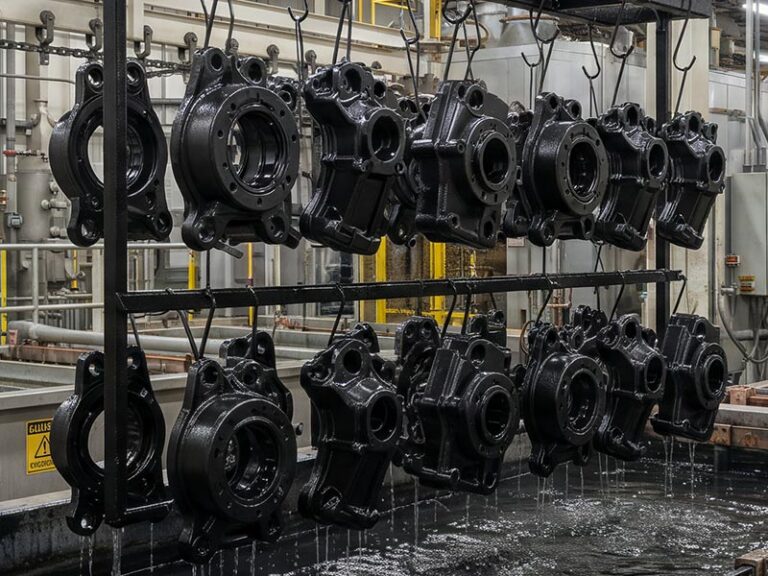
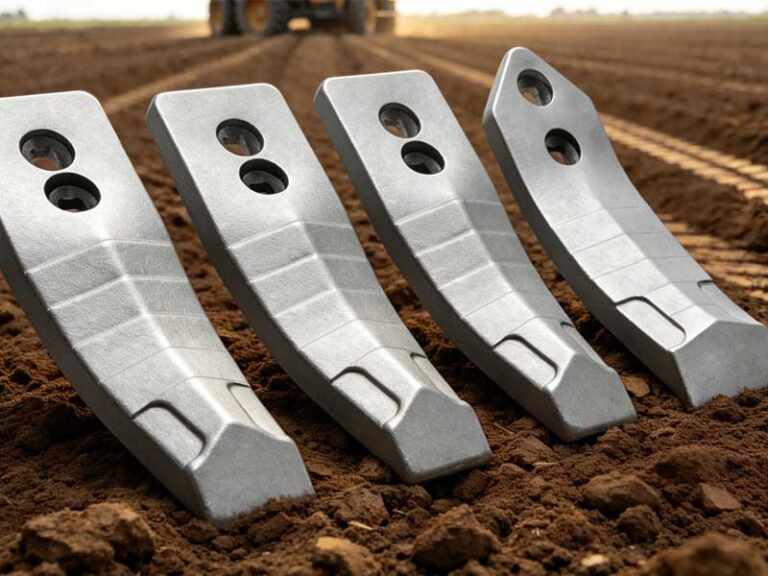
At TrueCast Engineering, we manufacture precision cast excavator wear parts including alloy ripper teeth, QT500-7 ductile iron GET components and 42CrMo hardened castings engineered for high-abrasion ripping in granite, basalt and compacted ore zones. This guide breaks down the full-cost formula, compares field-proven service data, and shows how to calculate real cost per hour instead of judging parts by invoice price alone.
Many purchasing teams focus narrowly on part price when sourcing mining wear castings. This simplified approach ignores three dominant hidden cost drivers: onsite labour for replacement, machine idle time, and accelerated wear on matched adapters and ripper shanks.
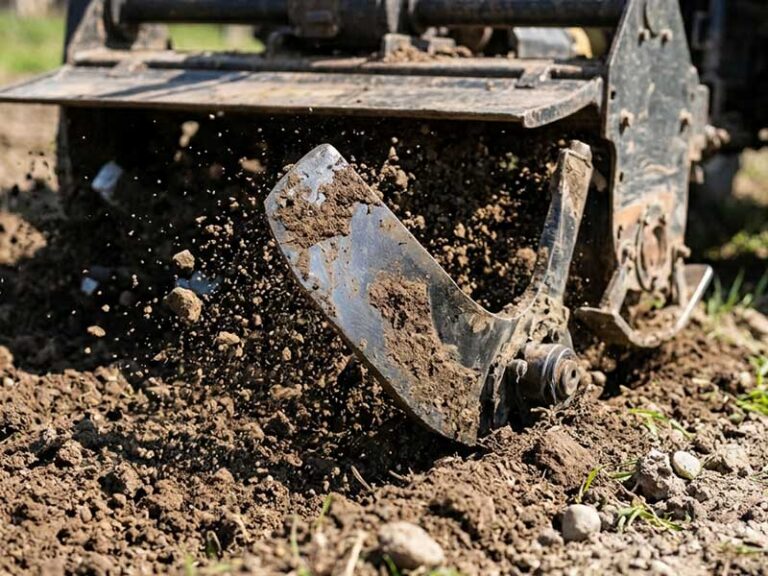
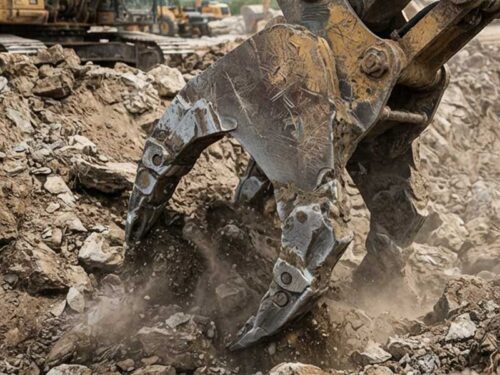
In hard rock ripping, impact loading and continuous abrasive wear mean ripper teeth fail fast if metallurgy and heat treatment are not properly specified. Standard carbon steel teeth may fail by chipping, bending or total fracture, while properly quenched and tempered alloy steel ripper teeth maintain penetration geometry over longer runtimes, reducing the number of shutdowns required per production shift.
1: Field Service Life Comparison – Carbon Steel vs 42CrMo Alloy Steel Ripper Teeth (Hard Rock Mining, 45–50t Excavator Ripper)
| Material Grade | Average Service Life (Operating Hours) | Hardness (HB) | Typical Failure Mode | Heat Treatment |
|---|---|---|---|---|
| Standard Carbon Steel | 75–110 | 220–260 | Tip chipping, bending, premature abrasion loss | Normalized only |
| 42CrMo Alloy Steel Casting | 280–360 | 380–440 | Gradual uniform wear, rare catastrophic breakage | Quenched + tempered |
This dataset comes from a 12-month site trial at a North American hard rock quarry running continuous ripping shifts, using identical excavator models and consistent rock hardness. The alloy steel ripper teeth delivered roughly 3.2× longer usable life before reaching discard wear limits. Longer service intervals directly reduce the total number of change-out events each month, which is where most operational savings begin.
To compute true cost per hour for your ripper teeth, you must combine four categories of expense: part purchase cost, on-site maintenance labour, downtime production loss, and secondary wear damage to adapters. The core formula our mining clients use is straightforward:
True Cost Per Hour = (Total Cost of Teeth + Labour Cost Per Change + Downtime Loss Per Change + Adapter Repair Allocation) ÷ Total Usable Operating Hours
A common miscalculation is to divide only the tooth purchase price by runtime. That method makes low-cost carbon steel look competitive on paper but completely erases downtime risk, which is often the largest line item in mining maintenance budgets. Industry benchmarks for mid-size hard rock sites place excavator ripper-related downtime losses between $650 and $1,200 per idle hour, including idle haulage fleets, operator pay and delayed ore movement.
2. Full Change-Out Cost Breakdown Per Ripper Tooth Replacement Event
| Cost Component | Carbon Steel Ripper Tooth Change | 42CrMo Alloy Steel Ripper Tooth Change | Notes |
|---|---|---|---|
| Tooth Unit Cost | $95 | $210 | Premium alloy casting carries higher upfront price |
| Site Labour (2 technicians, 0.75 hrs) | $135 | $135 | Same crew and change-out time for both styles |
| Production Downtime (1 hour average) | $800 | $800 | Typical mid-tier quarry hard rock ripping downtime value |
| Adapter Wear Reserve Allocation | $110 | $35 | Frequent tooth shock loading damages mating adapters |
| Total per change event | $1,140 | $1,180 | Higher part price is nearly offset by lower adapter wear |
At first glance, each alloy change costs marginally more per event. The decisive advantage emerges when you spread these total expenses across the many more operating hours the alloy ripper tooth delivers. With carbon steel averaging 90 hours life and alloy steel averaging 320 hours from Table 1, the hourly economics flip dramatically.
3. Final Calculated True Cost Per Operating Hour
| Material Grade | Total Change Cost | Average Life (Hours) | Calculated True Cost Per Hour |
|---|---|---|---|
| Standard Carbon Steel | $1,140 | 90 | $12.67 / hr |
| 42CrMo Alloy Steel Casting | $1,180 | 320 | $3.69 / hr |
This comparison is the core argument for upgrading to high-performance alloy steel ripper teeth. Even though the alloy tooth costs 121% more on unit price, its true hourly running cost is less than one-third of standard carbon steel. Over 10,000 annual ripping hours on a single excavator, that difference adds up to approximately $89,800 in avoidable operational expense before considering emergency breakdown overtime, expedited freight charges or unplanned adapter replacement.
Beyond pure hourly costing, consistent alloy steel ripper teeth improve ripping efficiency by retaining a sharp penetration profile longer. Worn, rounded carbon steel teeth require higher breakout force, increasing machine stress and fuel consumption while slowing rock fragmentation. When teeth fail unexpectedly in hard rock, fragments can damage buckets, boom structures or adjacent GET parts, creating secondary repair events that rarely appear on standard wear-part spreadsheets. Our casting facility at TrueCast Engineering applies magnetic particle testing (MT) to critical alloy steel ripper teeth to detect subsurface casting defects before shipment, lowering the risk of sudden in-service fracture common with budget castings.
Not every mine site requires the same alloy specification. For moderately abrasive soft rock, QT450-10 ductile iron ripper teeth offer balanced impact resistance at a mid-tier price point. For severe hard rock and high-cycle ripping, our 42CrMo cast alloy formulation with controlled carbide distribution delivers the best compromise between hardness and fracture toughness. We also supply custom OEM and ODM ripper teeth matched to CAT, Komatsu and other major excavator ripper adapter profiles, with optional electrophoretic coating for corrosion protection during storage and transport.
Many of our B2B mining customers run their own parallel trials to validate these numbers. The recommended test method is simple: run identical ripping cycles on the same bench rock, log operating hours from fresh install until the tooth reaches discard wear, track every associated labour minute and machine stop, then apply the same true-cost formula. In nearly all hard rock ripping trials, premium alloy steel ripper teeth win on total cost per hour despite higher procurement price.