


How to Source High-Quality Wear Resistant Machine Parts
Wear Resistant Machine Parts: Market Trends, Product Classification, Manufacturing Process Selection & B2B Procurement Guidelines
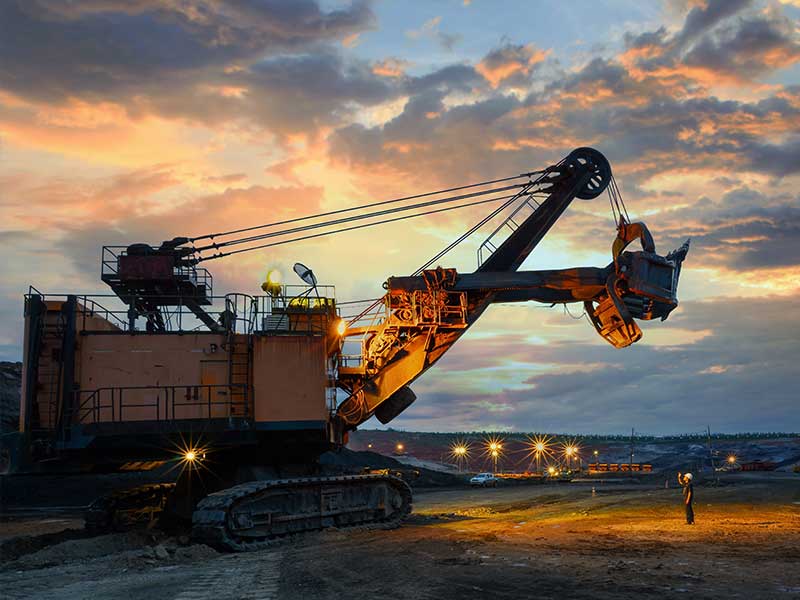
Wear resistant machine parts are critical consumable components for industrial mechanical equipment, widely applied in mining, metallurgy, cement production, construction machinery, thermal power, and port logistics industries. These components effectively mitigate equipment abrasion, impact damage, and fatigue wear under high-friction and high-load operating conditions, reducing equipment downtime and overall operational costs.
This article systematically analyzes the global market sales trends of wear resistant machine parts, classifies mainstream product categories, compares core manufacturing processes, and provides targeted B2B procurement strategies, aiming to offer data-driven and professional decision support for global industrial purchasers, manufacturers, and supply chain practitioners.
1. Global Market Sales Trends of Wear Resistant Machine Parts (2026–2035)
The global wear-resistant parts industry maintains steady and robust growth, driven by the expansion of global industrial infrastructure, the upgrading of mining and construction equipment, and the growing demand for equipment life cycle optimization.
According to authoritative market forecasting data, the global wear-resistant parts market scale reached USD 722.28 billion in 2025 and is expected to grow from USD 760.78 billion in 2026 to USD 1,208.94 billion by 2035, with a compound annual growth rate (CAGR) of 5.29% throughout the forecast period .
Three core trends dominate the current market sales landscape.
- First, high-performance material upgrading becomes mainstream. Traditional ordinary carbon steel wear parts are gradually replaced by high-manganese steel, high-chromium alloy, tungsten carbide, and ceramic composite parts. High-end alloy wear parts can reduce equipment replacement frequency by 30% and extend service life significantly, becoming the primary purchasing choice for medium and large industrial enterprises .
- Second, demand for customized and scenario-based products surges. Standardized universal parts can no longer adapt to extreme working conditions such as strong impact, high-temperature abrasion, and corrosive wear, pushing manufacturers to launch personalized customized solutions.
- Third, digital and sustainable supply chain development accelerates. B2B buyers prefer online inquiry, comparison, and one-stop procurement modes, while recyclable wear parts and low-carbon manufacturing processes have become important evaluation indicators for supplier selection .
In terms of regional demand,
Asia-Pacific occupies the largest market share, benefiting from the rapid development of mining, cement, and construction industries in China, India, and Southeast Asian countries.
Europe and North America focus on high-precision and long-life wear parts, with high requirements for product stability and environmental protection performance.
The Middle East, Africa, and Latin America show continuous growth in demand for cost-effective standard wear parts, driven by infrastructure construction .
2. Core Classification & Application Scenarios of Wear Resistant Machine Parts
Wear resistant machine parts can be classified by product function, material composition, and application industry. Different types of parts differ significantly in wear resistance, impact resistance, service life, and applicable working conditions. The mainstream product categories and core parameters are sorted in the table below, covering the most widely purchased products for industrial equipment maintenance and replacement.
|
Product Category
|
Main Materials
|
Core Performance Features
|
Typical Application Scenarios
|
|---|---|---|---|
|
Wear-resistant Liners & Plates
|
High-manganese steel, high-chromium alloy, ceramic composite
|
Strong abrasion resistance, good impact toughness, easy installation and replacement
|
Ball mills, crushers, mixing equipment, silos, conveyor chutes
|
|
Wear-resistant Bushings & Sleeves
|
Alloy steel, tungsten carbide, ductile iron
|
High precision, low friction coefficient, fatigue resistance
|
Engineering machinery, hydraulic equipment, rotating machinery shafts
|
|
Crusher Wear Parts (Jaw Plates, Hammers)
|
Mn18Cr2 high-manganese steel, Cr26 high-chromium alloy
|
Superior impact resistance, extreme pressure wear resistance
|
Mining crushing, stone processing, cement raw material crushing
|
|
Wear-resistant Pipe Fittings
|
Alloy cast steel, ceramic lined composite
|
Corrosion resistance, anti-scouring, long service life
|
Mine slurry transportation, thermal power ash discharge, chemical pipeline conveying
|
|
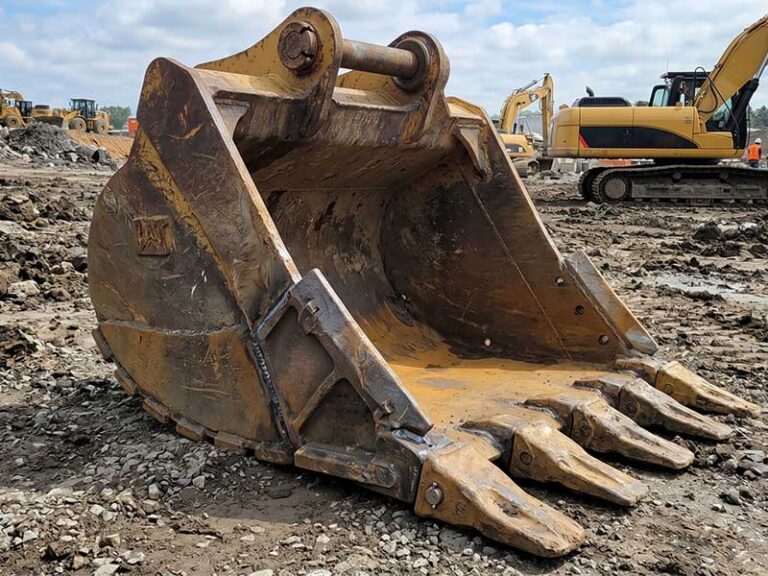
Wear-resistant Teeth & Cutting Edges
|
High-strength alloy steel, carburized steel
|
High hardness, strong cutting resistance, anti-breakage
|
Excavators, loaders, road construction machinery
|
In terms of performance differentiation,
- Parts made of high-manganese steel have excellent impact toughness and are suitable for heavy impact working conditions;
- High-chromium alloy parts feature high hardness (up to 60+HRC) and are ideal for extreme abrasion scenarios;
- Ceramic composite parts achieve ultra-high wear resistance but are limited in impact resistance, applicable for low-impact and strong scouring environments .
B2B buyers need to match product types according to actual equipment operating conditions to avoid performance mismatch and excessive procurement costs.
3. Manufacturing Process Selection & Performance Comparison
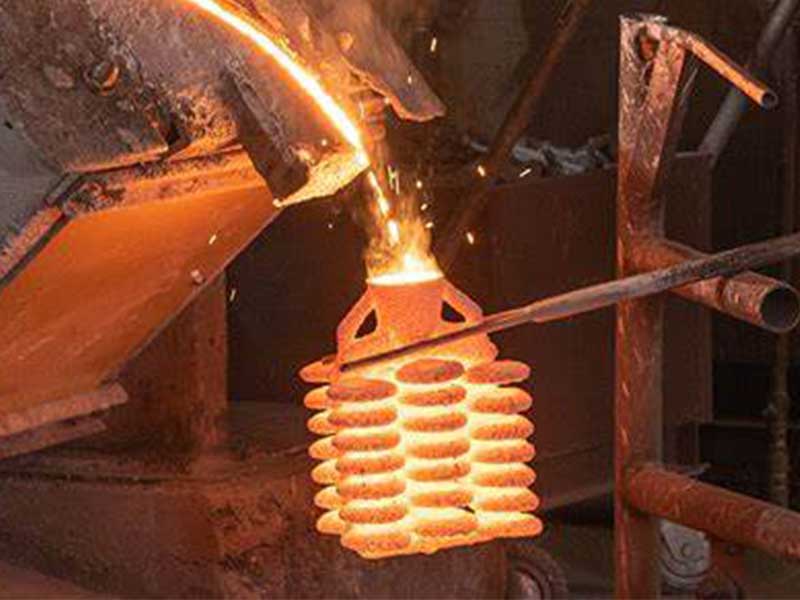
The manufacturing process directly determines the dimensional accuracy, mechanical properties, wear resistance, and service life of wear resistant machine parts. The mainstream industrial manufacturing processes include precision casting, forging, machining, and composite lining technology. Each process has unique advantages and applicable product ranges. The following table compares the core indicators of mainstream processes to support B2B buyers and manufacturers in process selection.
|
Manufacturing Process
|
Process Advantages
|
Performance Limitations
|
Applicable Product Types
|
B2B Application Recommendation
|
|---|---|---|---|---|
|
Investment Precision Casting
|
Low cost for batch production, flexible shape customization, good overall wear resistance
|
Slightly lower dimensional accuracy, minor surface defects possible
|
Crusher hammers, mill liners, irregular wear parts
|
Preferred for standard and customized irregular parts with high cost-performance requirements
|
|
Hot Forging
|
Dense internal structure, high toughness and strength, anti-fatigue, long service life
|
High production cost, limited shape customization, unsuitable for complex structures
|
Wear-resistant teeth, shaft sleeves, high-load structural parts
|
Ideal for core stressed parts requiring long-term stable operation
|
|
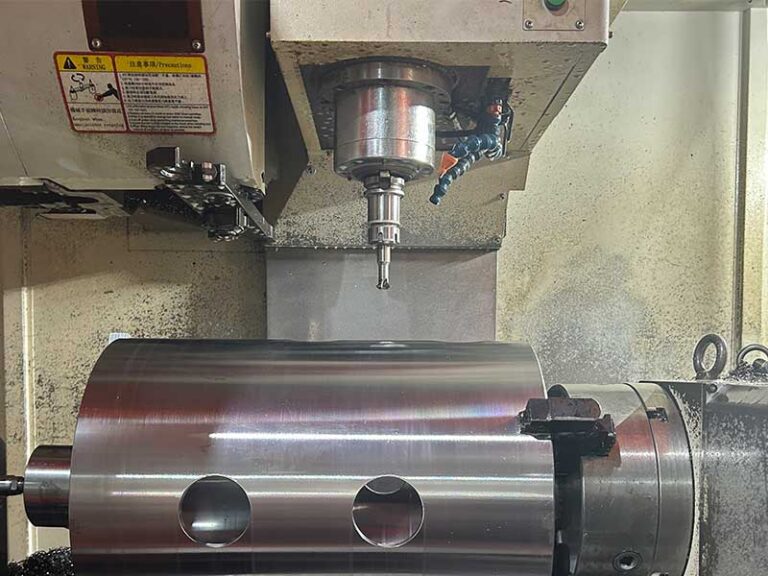
Precision Machining
|
High dimensional accuracy, smooth surface, stable assembly tolerance
|
High processing cost, low production efficiency for complex parts
|
Wear-resistant bushings, precision gasket parts
|
Priority for high-precision matching parts of automated equipment
|
|
Ceramic Composite Lining
|
Ultra-high wear resistance, corrosion resistance, 3–5 times longer life than traditional steel parts
|
Poor impact resistance, easy to crack under strong impact
|
Wear-resistant pipes, chute liners, anti-scouring plates
|
Recommended for scouring and corrosive working conditions without strong impact
|
For industrial manufacturing end-users, process selection should follow the “working condition matching” principle:
- Heavy impact working conditions prioritize forged parts;
- Complex-shaped conventional wear parts adopt precision casting;
- High-precision assembly scenarios use machined parts;
- And strong scouring and corrosive environments choose ceramic composite processes .
Reasonable process selection can reduce equipment failure rate by more than 25% and cut long-term replacement costs effectively.
4. Professional B2B Procurement Guidelines & Suggestions
Different from C-end consumer procurement, B2B procurement of wear resistant machine parts focuses on total cost of ownership (TCO), product stability, supply chain reliability, and after-sales service. The following targeted procurement suggestions help global B2B buyers optimize purchasing decisions and avoid common industry pitfalls.
4.1 Prioritize Working Condition Matching Over Low Price
Many purchasers blindly pursue low procurement prices, resulting in frequent replacement of low-quality parts and increased equipment downtime losses.
It is essential to clarify core working condition indicators including impact load, friction medium, operating temperature, and service cycle before procurement.
For high-frequency wear and high-load equipment, high-performance alloy and forged parts with higher unit prices but longer service life should be selected to reduce comprehensive operating costs .
Data shows that high-quality wear parts can reduce the annual replacement cost of industrial equipment by 20%–40%.
4.2 Verify Material Certification & Process Qualification
Material composition determines the fundamental performance of wear parts. B2B buyers should require suppliers to provide material component test reports, hardness test data (HRC hardness standard), and industrial quality certification documents.
For key equipment parts, avoid generic low-carbon steel products; focus on suppliers with independent casting, forging, and composite processing capabilities to ensure consistent product batch stability .
4.3 Optimize Supply Chain & Inventory Management
Affected by global raw material price fluctuations and port congestion, supply chain stability has become a key procurement indicator. It is recommended to establish long-term cooperative relationships with 2–3 qualified core suppliers to realize diversified supply and avoid supply interruption risks .
For standard consumable wear parts, adopt batch centralized procurement and reasonable inventory reserves; for customized special parts, confirm production cycle and delivery cycle in advance to match equipment maintenance schedules.
4.4 Focus on Customization & After-sales Support
With the personalized development of industrial equipment, standardized parts can no longer meet all working condition needs. Excellent suppliers support non-standard customization of size, material hardness, and structural design. Meanwhile, prioritize suppliers with professional technical teams, which can provide working condition analysis, product selection guidance, and on-site installation guidance services to solve equipment wear problems fundamentally .
5. Conclusion
Driven by industrial upgrading and equipment efficiency improvement, the global wear resistant machine parts industry will maintain sustained growth in the next decade. High-performance material iteration, intelligent customized production, and low-carbon sustainable manufacturing will become the core development directions of the industry.
For B2B buyers, scientific product classification selection, reasonable manufacturing process matching, and standardized procurement management are the key to reducing equipment operating costs and improving production efficiency. For manufacturers, focusing on technological innovation, optimizing product performance, and improving customized service capabilities will be the core competitiveness to occupy the global high-end market.
In the future, with the integration of intelligent monitoring technology, wear resistant parts will realize real-time wear data feedback and predictive maintenance, further promoting the intelligent and refined development of the industrial equipment spare parts industry .
6. About Truecast
With over 30 years of professional casting manufacturing experience in the industrial wear-resistant parts industry, Truecast has grown into a reliable global supplier of high-quality wear resistant machine parts. Adhering to mature casting technology, strict quality control systems, and industry-rich manufacturing experience, we specialize in the R&D, production, and customization of a full range of wear-resistant components, covering wear-resistant liners, crusher wear parts, alloy bushings, wear-resistant pipe fittings, and engineering machinery wear teeth to meet diverse working condition demands across mining, cement, metallurgy, construction, and thermal power industries.
Truecast has long served global B2B clients worldwide, relying on stable product performance, cost-effective solutions, and standardized production processes. We integrate precision casting, forging, and composite processing technologies to deliver durable, high-precision wear parts that effectively reduce equipment wear, lower overall operating and replacement costs, and extend equipment service life. Beyond standardized products, we also provide one-stop customized manufacturing services based on clients’ actual working conditions, offering professional selection guidance and reliable after-sales support to create long-term value for global industrial partners.