


The Pivotal Role of CNC Machining in Agriculture Part Casting
CNC Machining-PRECISION ENGINEERING FOR GLOBAL AGRICULTURAL INFRASTRUCTURE
1. Introduction
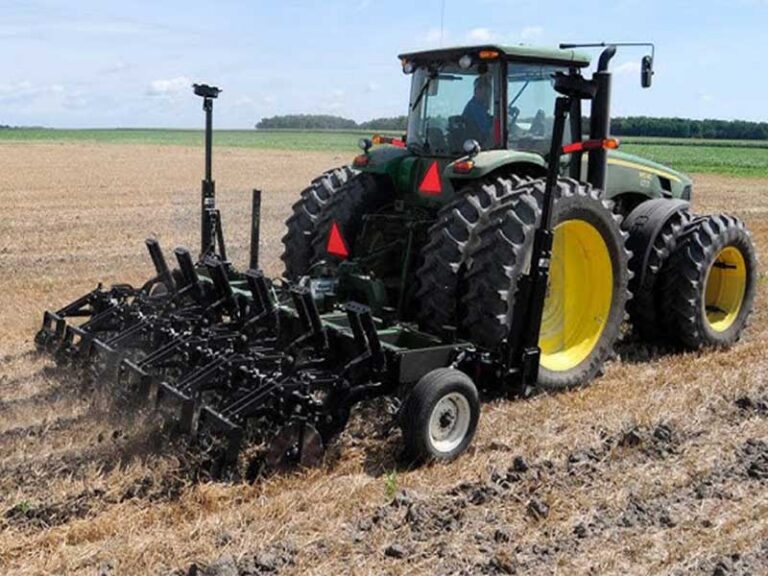
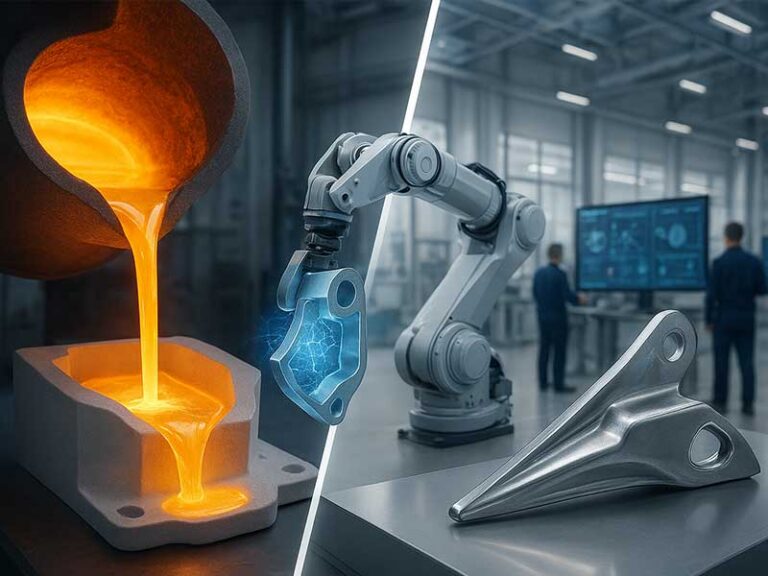
Modern agricultural machinery operates under highly demanding environments, requiring components that exhibit extreme durability, wear resistance, and structural integrity. To meet these harsh field conditions, heavy equipment manufacturers rely heavily on agriculture part casting. Processes such as investment casting (lost-wax casting) and sand casting are preferred due to their ability to form complex geometries from high- strength alloys.
However, as agricultural technology advances with GPS-guided steering, automated telemetry, and higher horsepower, the demands for dimensional precision have surged. Raw cast parts alone can rarely achieve the strict geometric tolerances required for complex dynamic assemblies. This is where secondary CNC machining becomes indispensable, bridging the gap between high-strength structural cast blanks and ready-to-assemble mechanical components.
2. The Core Role of CNC Machining in Cast Parts
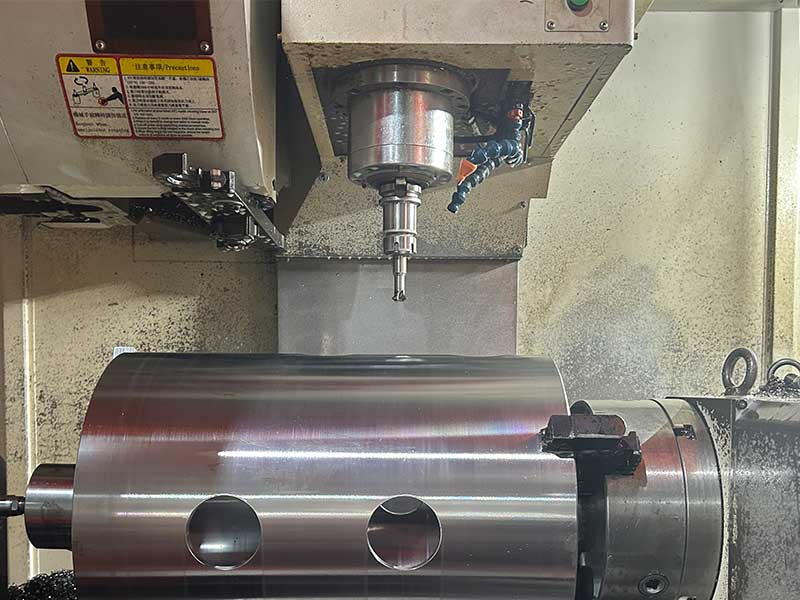
While modern precision casting methods offer excellent near-net-shape capabilities, physical limitations such as volumetric shrinkage, thermal distortion, and surface roughness are inherent to the metallurgical cooling process. Secondary CNC (Computer Numerical Control) machining operations—including milling, boring, turning, drilling, and tapping—rectify these variations. The synergy between casting and CNC machining provides several critical technical advantages:
- Achieving Tight Tolerances: Casting processes typically achieve dimensions around ISO 8062 CT7 to CT9. CNC machining effortlessly tightens critical features to IT6 or IT7, which is mandatory for bearing seats, press-fit oil seals, and interlocking spline gears.
- Optimizing Surface Integrity: Mating surfaces and dynamic contact zones require low surface roughness (Ra 0.8 to Ra 3.2) to prevent friction, eliminate oil leaks, and reduce premature fatigue cracking. CNC
surface milling ensures perfect flatness and micro-finish. - Ensuring Geometrical Alignment: Complex components like multi-axis brackets require strict
concentricity, parallelism, and perpendicularity between distant holes. Multi-axis CNC centers machine these features in a single setup, eliminating cumulative fixture errors.
By integrating high-capacity CNC machining centers directly within the casting foundry, manufacturers eliminate the logistical overhead of third-party processing, delivering fully finished, ‘ready-to-assemble’ components directly to international OEMs.
3. Comprehensive Range of Applied Agriculture Cast Parts
The application of CNC machining to cast agricultural components spans multiple critical subsystems within tractors, combines, seeders, and harvesters. Any component that undergoes structural loading or participates in power transmission requires this dual-stage manufacturing approach.
| Component Category | Typical Cast Parts | Critical CNC Machined Features |
| Transmission & Power Take-Off (PTO) | Gearbox housings, axle casings, transmission covers, clutch plates, and differential brackets. | High-precision boring for bearing bores, face milling for oil-tight seal gaskets, and helical thread tapping for structural fastening bolts. |
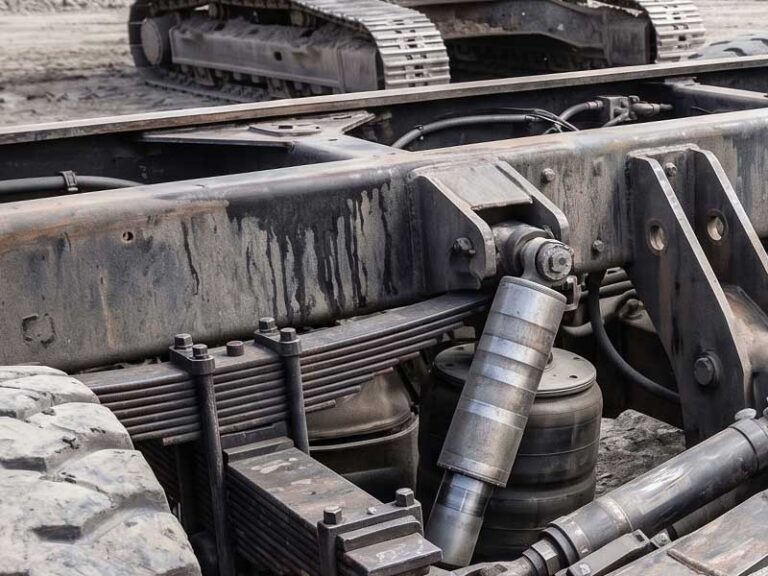
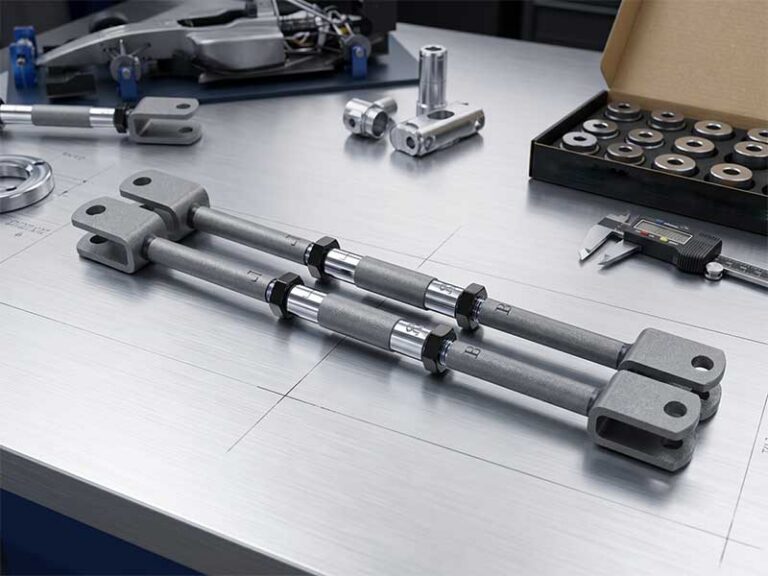
| Chassis & Heavy Suspension | Control arms, steering knuckles, wheel hubs, trailing arms, and heavy-duty suspension brackets. | Precision reaming for kingpin bushings, milling of ball joint seating faces, and drilling of wheel stud patterns with strict true-position tolerances. |
| Tillage, Seeding & Planting | Seed meter housings, furrow opener mounts, disc hubs, row unit brackets, and heavy plow adapters. | Internal bore turning for high-speed seed disc bearings, slot milling for adjustable depth-control linkages, and spot-facing for heavy-duty mounting fasteners. |
| Hydraulic & Fluid Power | Hydraulic cylinder end caps, valve manifolds, pump bodies, and high- pressure fluid connectors. | Ultra-precise internal threading (NPT/ORB ports), O-ring groove turning, and micro- boring to prevent high-pressure hydraulic fluid bypass. |
4. Step-by-Step Processing Workflow
The manufacturing sequence from a raw metallic melt to an inspection-passed, ready-to-install agricultural component involves a closely coordinated chain of metallurgical and mechanical processes.
- Design and Simulation (CAD/CAE): The process begins with 3D modeling where casting shrinkage and machining allowances (typically 1.5mm to 3.0mm) are integrated into the raw casting blueprint. Mold flow analysis ensures optimal solidification.
- Melting and Pouring: High-grade alloy steel, ductile iron, or gray iron is poured into the investment or sand molds. After cooling, the gates and risers are removed via flame cutting or grinding.
- Heat Treatment: Castings undergo normalizing, annealing, or quenching and tempering to relieve internal residual stresses and achieve the target mechanical properties (tensile strength, impact toughness).
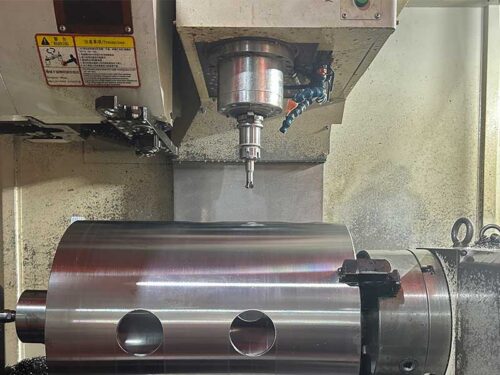
- CNC Rough Machining: Heavy-duty CNC vertical or horizontal machining centers remove the bulk of the machining allowance. This step exposes any potential internal casting defects (such as porosity or inclusions) before final finishing.
- CNC Precision Finish Machining: High-speed, micro-feed milling and boring operations bring the critical dimensions to their final exact tolerances. Specialized tooling creates threads, splines, and micro-grooves.
- Surface Protection & Inspection: Finished parts are subjected to non-destructive testing (MPI, DPI) and Coordinate Measuring Machine (CMM) dimensional verification. Finally, they receive surface coatings like e-coating, powder coating, or zinc plating to resist environmental corrosion.
5. Technical Challenges and Modern Engineering Solutions
Machining cast metals presents unique metallurgical and mechanical challenges that differ substantially from machining standard wrought bars or billets. Foundries must adopt advanced engineering strategies to ensure high throughput and cost-effectiveness.
| Technical Challenge | Impact on Production | Engineering Solution / Strategy |
| Surface Crust and Inclusions | The hard external skin of sand castings or residual ceramic shell material in investment castings accelerates abrasive tool wear. | Utilizing heavy-duty carbide inserts with physical vapor deposition (PVD) TiAlN coatings; employing “climb milling” to allow the cutter to enter below the abrasive crust. |
| Irregular Clamping Profiles | As-cast surfaces possess minor dimensional variations, making standard modular vices ineffective and causing part deformation or slippage during high-speed CNC milling. | Designing custom hydraulic fixtures and 3D-printed or CNC-milled soft jaws that conform exactly to the casting’s irregular datum contours; utilizing pneumatic clamping sensors. |
| Subsurface Porosity & Hard Spots | Entrapped gas or localized rapid cooling can form microscopic voids or hard cementite spots, leading to sudden tool breakage or threaded hole failures. | Implementing strict deoxidation and gating designs during pouring. Utilizing CNC tool load monitoring systems that automatically retract the spindle if an unexpected hard spot is encountered. |
| Work Hardening of Alloys | Many wear-resistant agricultural parts use manganese or boron-alloy steels which work-harden rapidly under the heat of cutting, ruining subsequent finishing passes. | Optimizing CNC toolpaths via CAM software to maintain a constant chip load; applying high-pressure through-spindle coolant to immediately dissipate localized heat. |
6. Commercial Impact for B2B Procurement
From a global procurement perspective, sourcing agriculture components from a supplier that provides both casting and CNC machining capabilities represents a significant strategic advantage.
When a single factory takes responsibility for the entire sequence—from raw melt to final CMM verification—the risk of quality disputes between separate foundries and machine shops is completely eliminated. Furthermore, it significantly shortens the production lead time, minimizes international logistics costs, and ensures a streamlined, transparent quality tracking system.
For modern agricultural OEMs seeking robust, ready-to-assemble parts, the integration of cutting-edge CNC technology within the casting foundry is the ultimate hallmark of a world- class manufacturing partner.
Established in 1994, TrueCast Engineering Casting Company has grown into a trusted precision casting manufacturer through its relentless pursuit of quality and innovation, serving global clients across various sectors, including agricultural machinery components, truck parts, and industrial machinery.