


Hot-Dip Galvanizing vs. E-Coating: Which Anti-Rust Process Wins for 10-Ton Agricultural Trailer Castings?
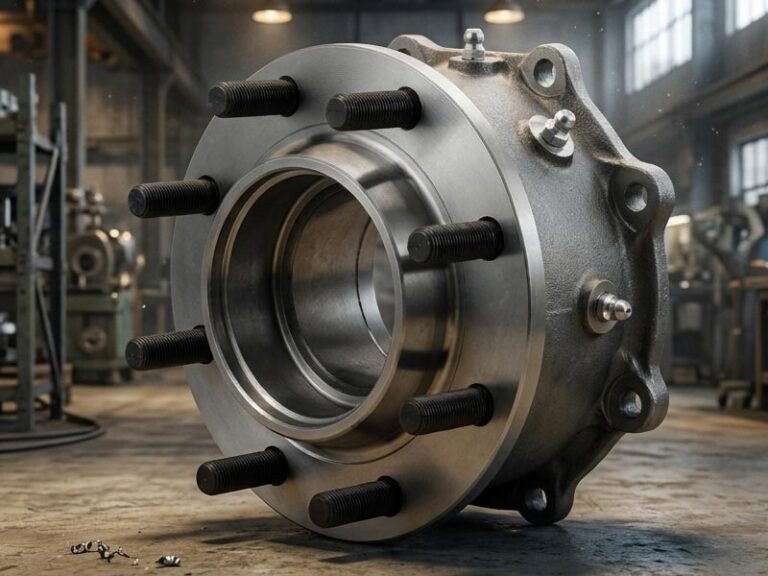
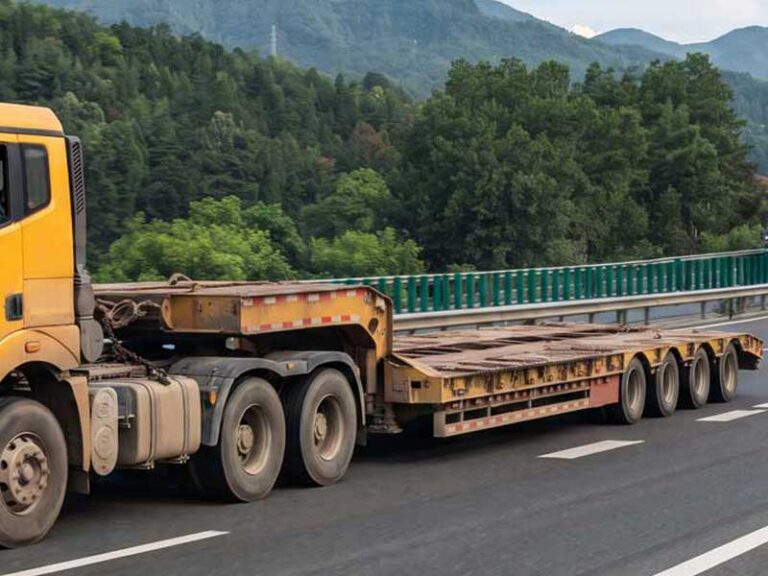
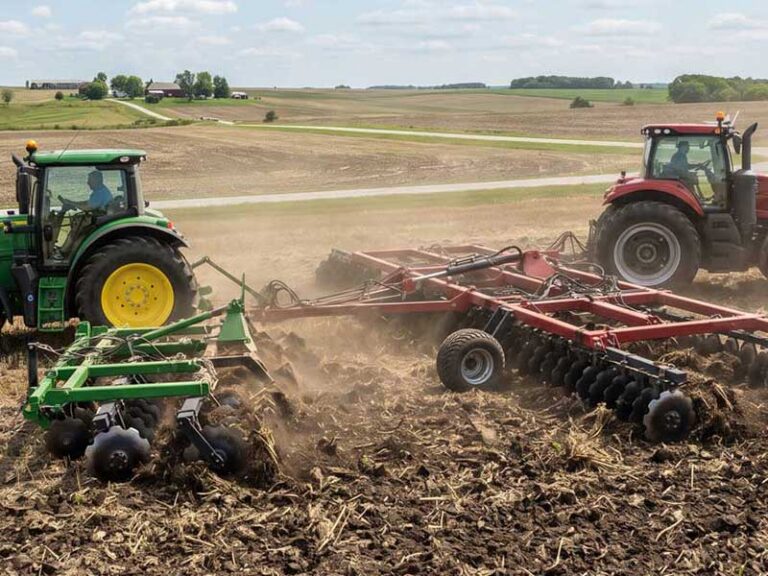
Agricultural trailer castings form form the core of agricultural trailer’s structural framework. However, Farming environments present relentless corrosion triggers: urea and liquid fertilizers, livestock waste, acidic soil moisture, abrasive field debris, plus humidity and salt exposure during ocean shipment and seasonal field use.
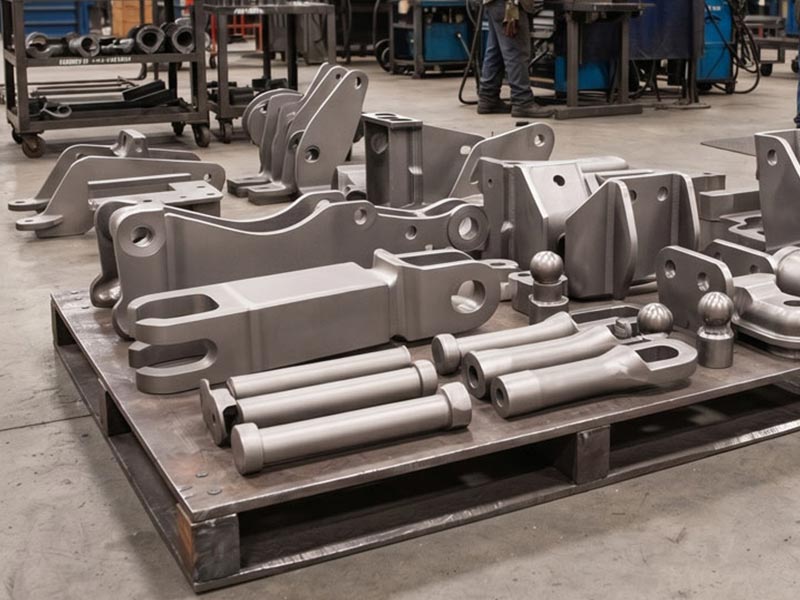
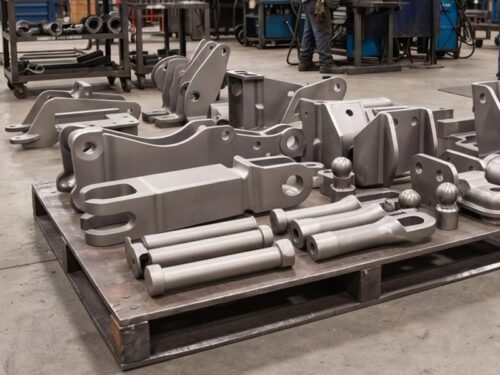
For heavy load-bearing castings including hitch assemblies, axle brackets, suspension mounts and frame castings, rust propagation does not merely create cosmetic defects — it weakens load capacity and can lead to catastrophic structural failure.
Industry market analysis notes the global agricultural equipment coatings market is expanding at a 6.3% CAGR through 2034, driven largely by OEM demand for corrosion-resistant coatings that reduce field maintenance and extend equipment lifespans, especially for heavy trailer castings operating in corrosive farm environments.
This engineering-grade comparison breaks down hot-dip galvanizing (HDG) and the duplex E-coating plus powder coat system, using coating thickness, salt spray test results and real-world agricultural operating data to simplify your procurement specification decisions.
1. The Contenders: Understanding the Two Anti-Rust Processes
Hot-Dip Galvanizing (HDG)
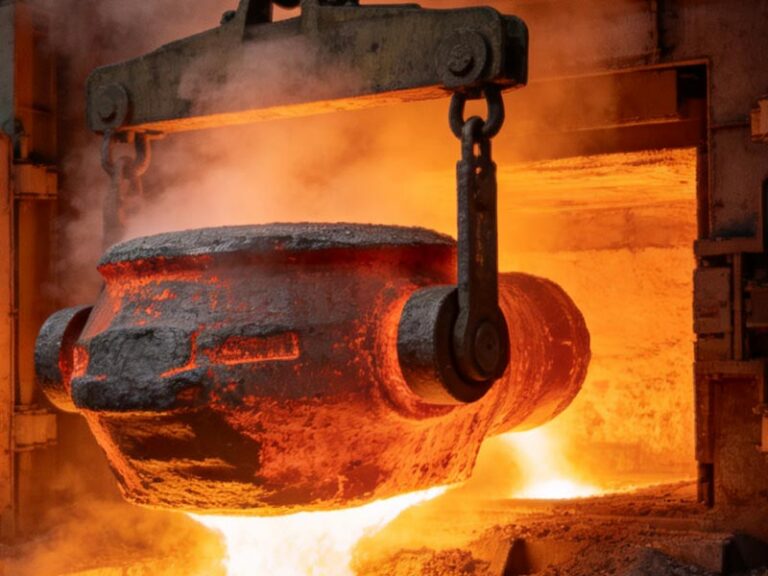
Hot-dip galvanizing submerges cleaned agricultural trailer castings into molten zinc maintained at approximately 450°C. A metallurgical alloy bond forms between zinc and the ferrous casting substrate, creating multiple iron-zinc intermetallic layers rather than a simple painted surface film. This integrated zinc layer delivers dual protection: physical barrier sealing plus sacrificial cathodic protection. The process follows ISO 1461 and ASTM A123 specifications tailored for cast iron and cast steel components, with coating thickness varying based on casting wall thickness and material grade. Minor zinc runs or excess buildup may require light post-dipping trimming on mating surfaces.
E-Coating (Cataphoretic Electrocoating) + Powder Coat Duplex System
E-coating uses an electrochemical deposition method to deposit an epoxy or acrylic primer film evenly across complex casting geometry, including narrow cavities, blind holes and intricate internal passages that are hard to reach with conventional spray paint. The e-coat base layer is then cured and topped with a powder coat finish, forming a duplex coating stack. This system relies purely on barrier protection to block moisture and chemicals from reaching the base metal, with excellent throwing power and minimal dimensional variation, making it ideal for castings requiring tight assembly tolerances.
2. Core Technical Performance Comparison
Table 1: Primary Standard & Coating Thickness Benchmark for 10-Ton Agricultural Trailer Castings
| Coating System | Governing Standard | Coating Layer Breakdown | Total Dry Film Thickness |
|---|---|---|---|
| Hot-Dip Galvanizing (HDG) | ISO 1461 / ASTM A123 | Single metallurgical zinc alloy layer | 70 μm to 85+ μm, dependent on casting thickness |
| E-Coat + Powder Coat Duplex | ASTM B117 / ISO 9227 | E-coat primer + polyester powder topcoat | 20–30 μm E-coat base + 60–80 μm powder topcoat = 80–110 μm total |
Table 2: Accelerated Salt Spray & Corrosion Protection Performance
| Performance Metric | Hot-Dip Galvanizing (HDG) | E-Coating + Powder Coat Duplex System |
|---|---|---|
| Neutral Salt Spray (ASTM B117) to first red rust | 1,000+ hours | 1,000–1,500 hours (depends fully on pretreatment and powder quality) |
| Cathodic / Sacrificial Protection | Yes. Zinc anode sacrifices itself; scratches remain protected | No. Pure barrier protection; once film is chipped, rust creeps under coating |
| Edge & Cavity Coverage | Excellent coverage; zinc runs may form on heavy casting edges | Superior throwing power for complex internal voids and narrow casting cavities |
| Typical Surface Finish | Matte grey, slightly rough metallic texture | Smooth, uniform, customizable color cosmetic finish |
Table 3: Procurement & Application Tradeoff Matrix for Agricultural Trailer OEM Buyers
| Selection Factor | Hot-Dip Galvanizing (HDG) | E-Coat + Powder Coat Duplex |
|---|---|---|
| Dimensional Impact | Noticeable zinc thickness gain; critical mating surfaces require post-machining | Minimal thickness variation, preserves tight tolerances |
| Resistance to Agro-Chemicals | Strong general weathering, good resistance to common soil moisture | Premium phosphate pretreatment improves resistance to urea and liquid fertilizer |
| Scratch & Field Damage Tolerance | High self-healing sacrificial protection | Low tolerance to deep chipping; damage site spreads rust |
| Upfront Processing Cost | Moderate; batch dipping is economical for large casting lots | Higher upfront pretreatment and dual curing cost |
| Best Component Match | Load-bearing structural castings: hitch brackets, suspension castings, chassis mounts | Visible exterior trailer castings, precision machined castings with tight fit requirements |
3. Key Selection Factors for Agricultural Trailer Buyers
Corrosion Resistance & Scratch Tolerance
Field operation of 10-ton agricultural trailer castings inevitably generates scratches from rock impact, loading abrasion and coupling contact. This is where the fundamental difference between HDG and duplex e-coat powder systems becomes critical. With hot-dip galvanizing, the bonded zinc layer acts as a sacrificial anode. Even when the coating is scratched and bare steel exposed, surrounding zinc corrodes preferentially, preventing red rust from forming at the damage site. This self-healing property is highly valued for undercarriage and structural trailer castings that receive constant mechanical wear in farm fields.
The duplex E-coating plus powder coat solution delivers a smoother, premium aesthetic and outstanding initial barrier sealing. When intact, it can outperform HDG in controlled salt spray testing. However, protection ends once the coating film is chipped or punctured. Moisture seeps beneath the coating boundary, and rust creeps laterally under the paint, creating hidden corrosion that is difficult to inspect until severe damage appears. This barrier-only protection makes it a strong choice for visible exterior castings with limited heavy abrasion, but riskier for buried undercarriage trailer castings.
Environmental & Chemical Exposure in Agricultural Work
Agricultural trailer castings face a unique mix of corrosive agents, including nitrogen-rich urea fertilizers, animal manure runoff, acidic soil and seasonal dew cycles. HDG delivers reliable long-term performance under general rural atmospheric corrosion, with decades of field-proven performance for farm structural components. It performs consistently in fluctuating wet-dry cycles common on grain, livestock and row-crop farms.
For operations with heavy, repeated exposure to concentrated liquid fertilizers, a properly pretreated zinc-phosphate E-coat duplex system provides improved chemical resistance against specific agrochemicals. It is important to note that pretreatment quality defines 70% of e-coat system longevity; poor cleaning before coating leads to premature delamination, even if the total coating thickness meets specification. Many OEM buyers underestimate pretreatment requirements and experience early coating failure on agricultural trailer castings.
Cost-to-Lifespan ROI Analysis for Fleet & OEM Procurement
Total cost of ownership, not just initial coating price, should guide procurement specifications for 10-ton agricultural trailer castings. HDG carries moderate processing costs and avoids expensive rework from minor field scratches. For fleet operators, HDG reduces warranty claims and field inspection labor for heavy-duty structural castings. The main downside is dimensional shift: thicker zinc buildup requires planning for post-dipping machining on mating surfaces, which adds secondary manufacturing time and cost.
The duplex E-coat and powder coat system has higher upfront processing and curing costs. When deployed on the correct parts (precision, low-abrasion exterior castings), it preserves tight tolerances and delivers excellent visual quality that improves trailer resale value. However, if deployed on high-abrasion undercarriage agricultural trailer castings, chip damage drives high long-term repair and replacement costs, eroding ROI quickly.
4. Summary Recommendation Matrix
Choose Hot-Dip Galvanizing for your 10-ton trailer castings when:
Your components are structural load-bearing castings such as axle brackets, hitch assemblies, chassis frames and suspension mounts. These castings operate in extreme abrasive, continuously wet farm environments, and long-term sacrificial anti-rust protection is more important than cosmetic finish. HDG is our standard recommendation for critical safety-related agricultural trailer castings shipped globally for farm field deployment.
Choose E-Coating + Powder Coating Duplex System when:
Your design requires premium visual finish, strict dimensional tolerances where thick zinc buildup would disrupt mating assembly surfaces, and your castings operate in controlled environments with limited heavy field abrasion. This coating is well-suited for visible exterior trailer castings, branded trailer hardware and precision-machined parts where consistent smooth appearance is a core selling feature.
5. Conclusion
There is no universal “best” anti-rust coating for all 10-ton agricultural trailer castings. Hot-dip galvanizing excels for heavy-duty structural castings needing sacrificial scratch protection in harsh farm environments, while E-coat plus powder coat duplex systems deliver tight tolerance and premium aesthetics for exterior, low-abrasion trailer components. The correct specification depends on your trailer design, operating environment, OEM warranty targets and total lifecycle budget.
At TrueCast Engineering, we manufacture custom agricultural trailer castings and can supply parts finished with either HDG or E-coat + powder coating, fully tested and documented to meet your target salt spray requirements. Our engineering team works directly with trailer manufacturers and procurement managers to align coating specifications with component function and market operating conditions.
Need custom 10-ton agricultural trailer castings with certified anti-rust protection? Contact our engineering team today to review your technical drawings and request a salt spray compliance report for your next production run. Truecast Engineering provides full batch test documentation and coating certification for cross-border agricultural equipment OEM procurement.