


How to Select the Right Mini Excavator Bucket?
When renting, replacing or upgrading your digging attachments, picking the correct Mini Excavator Bucket directly impacts job productivity, machine stability, fuel consumption and long-term service costs.
As a professional China Mini Excavator Bucket supplier, Truecast Engineering can supply standard, narrow trenching and ditch cleaning buckets, plus custom Mini Excavator Bucket configurations for OEM and aftermarket replacement.
This guide breaks down bucket types, material grades, manufacturing quality and machine matching rules to help you select the perfect Mini Excavator Bucket Replacement for your compact digging fleet.
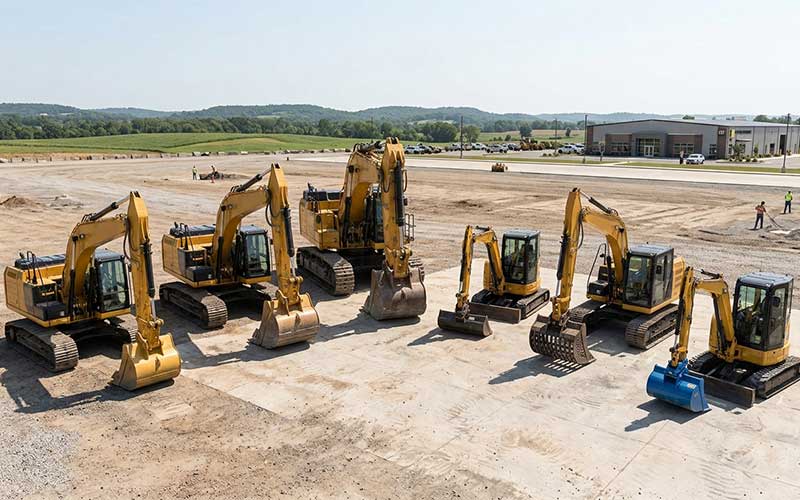
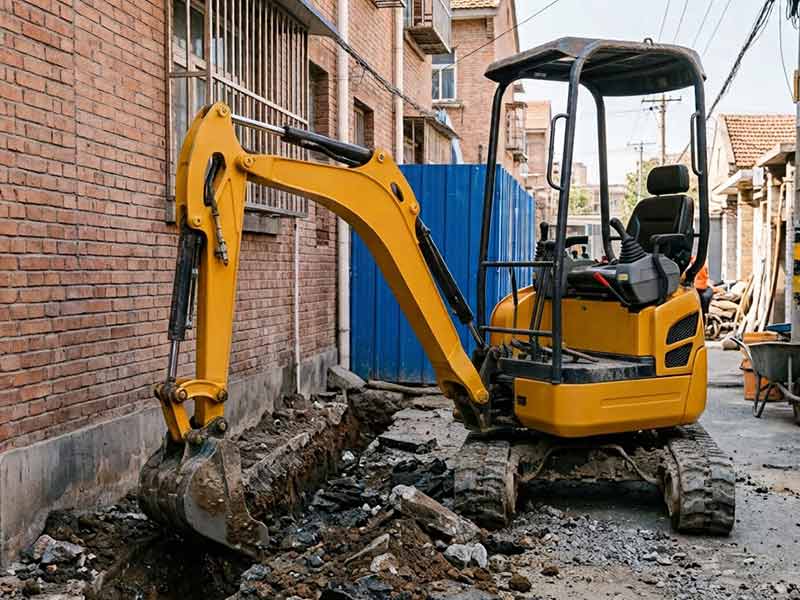
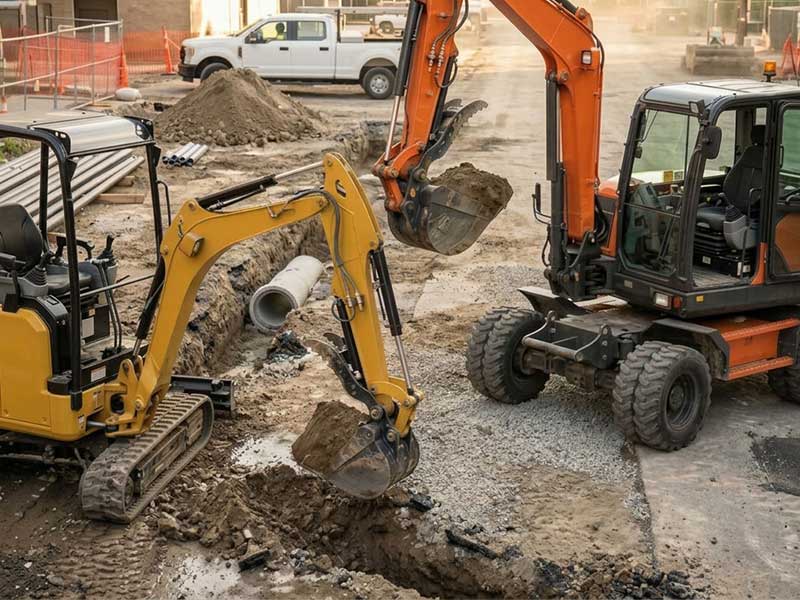
Mini excavators, also known as mini diggers, are defined as compact machines under 6 tonnes (0.8–5 ton working weight). Zero-tail swing, retractable rubber tracks and boom swing design make them ideal for tight-site work: indoor demolition, municipal utility trenching, landscaping, farm drainage and backyard renovation. But the machine’s flexibility can only be fully unlocked with properly matched attachments, and the Mini Excavator Bucket remains the most frequently used and highest-wear component.
1. Three Main Mini Excavator Bucket Types & Application Comparison
Three bucket styles dominate mini digger operations: general purpose standard bucket, narrow trenching bucket, and ditch cleaning grading bucket. Each has optimized geometry for specific tasks.
| Bucket Type | Typical Width | Teeth / Cutting Edge | Primary Applications | Core Advantages | Limitations |
|---|---|---|---|---|---|
| Standard / General Purpose Bucket | 300–600 mm | 3–5 replaceable bucket teeth | Tree pit digging, bulk earth moving, general excavation, landscaping backfill | Balanced breakout force & load volume, versatile multi-use bucket | Not optimized for ultra-narrow trenches or fine surface grading |
| Narrow Trenching Bucket | 150–300 mm | 2–3 sharp teeth | Water, fiber & power cable trench, foundation slotting, wall-side excavation | Concentrated penetration, reduces spoil volume & backfill cost | Small capacity, prone to sticky clay clogging, not for bulk loading |
| Ditch Cleaning / Grading Bucket | 700–1200 mm | Toothless flat cutting edge | Ditch silt removal, lawn site leveling, slope profiling, site cleanup | Wide coverage, smooth finish, high area cleaning rate | Low digging power, cannot break hard undisturbed soil or rock |
- Standard buckets are the factory default for most mini excavators.
- Curved bucket bodies reduce soil sticking and help material slide out smoothly.
- Narrow trenching buckets extend deeper with concentrated cutting pressure, critical when you need precise trench width for utility installation.
- Ditch cleaning buckets have shallow flat profiles designed for finishing work rather than hard digging.
Sizing rule reminder: Never fit an over-wide bucket to small machines. A 1.5-ton mini excavator paired with an oversized bucket will lose digging force and risk tipping.
2. Material Grade Selection Table for Mini Excavator Bucket
Bucket material determines wear life and impact resistance. Truecast Engineering selects steel grades according to working soil conditions, from light landscaping to rocky demolition sites.
| Steel Grade | Brinell Hardness | Bucket Component Application | Best Working Condition |
|---|---|---|---|
| Q355 High-strength structural steel | ~355 HB | Bucket side plates, rear plate, lifting ear lugs | Light-duty, clean soil, occasional use |
| NM400 / AR400 Wear Steel | 370–430 HB | Bucket bottom wear liner, side cutting edges, tooth holders | Medium abrasion, mixed soil and small stones |
| NM500 / Hardox 500 | 470–530 HB | Trencher cutting edge, heavy wear liners for rocky ground | High abrasion, rock, concrete debris |
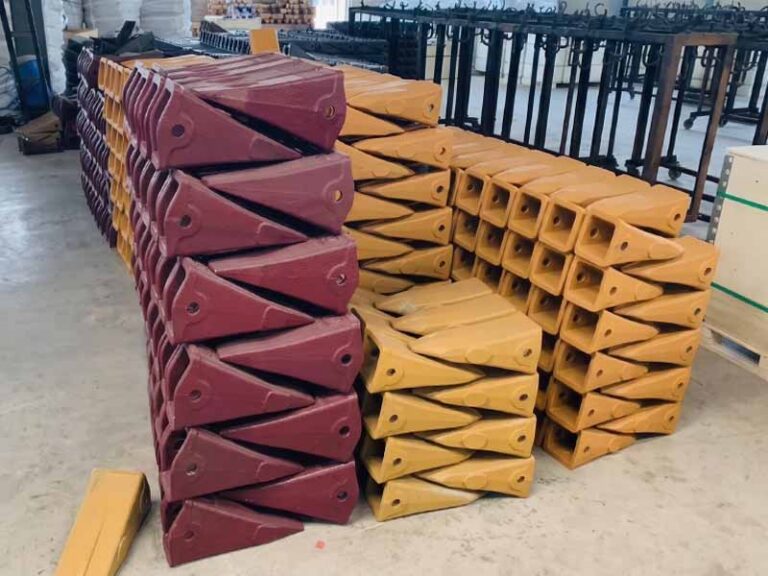
| Cast Alloy Steel | High impact toughness | Bucket teeth & tooth adapters | Repeated impact, replaceable wearing parts |
- Light-duty budget buckets mostly use Q355 plate with minimal surface hardening, suitable only for low-hour landscaping.
- Professional full-wear buckets use NM400 or NM500 on all contact surfaces, which is our most popular custom Mini Excavator Bucket specification for rental fleets.
- Cast alloy bucket teeth are modular and easy to swap during Mini Excavator Bucket Replacement, cutting downtime on job sites.
3. Machine Weight vs Bucket Recommended Size Chart
Bucket compatibility must follow machine weight class, which is the most common mistake buyers overlook. The table below gives recommended width ranges for each mini excavator weight category.
| Mini Excavator Weight Class | Recommended Standard Bucket Width | Narrow Trench Bucket Width | Max Ditch Cleaning Bucket Width |
|---|---|---|---|
| 0.8–1.5 t (Super Micro) | 300–400 mm | 150–250 mm | 700–900 mm |
| 1.8–3.5 t (Standard Mini) | 400–600 mm | 200–300 mm | 800–1200 mm |
| 3.5–6.0 t (Heavy Mini) | 500–600 mm | 250–300 mm | 1000–1200 mm |
For example, 1.5–2 ton mini excavators perform best with a 400–450 mm standard bucket. 3-ton machines can safely run 500–600 mm general-purpose buckets. Ditch cleaning buckets should not exceed the maximum recommended width to avoid lifting overload and machine instability.
4. Manufacturing Process: What Separates High-Quality Buckets
Material is only half the story; welding and forming define long-term durability. Our production process includes:
- 1. One-piece rolled curved bucket bottom: High-quality bucket bottoms are hydraulically bent from single steel plate, minimizing weld seams and crack risk. The curved shape reduces digging resistance and helps soil release quickly.
- 2. Full penetration welding: Critical load points including ear plates and tooth seats use full penetration robotic welding to eliminate porosity and slag inclusion. Manual hardfacing (chromium-molybdenum alloy weld overlay) adds extra wear protection on cutting edges.
- 3. Quick coupler compatible lugs: Precision machined connection lugs fit standard quick-change hitches. Accurate pin-hole tolerances reduce pin and bushing wear during frequent attachment swaps.
Poorly made buckets often use multiple welded segments and superficial welds; these develop cracks quickly under repeated digging impact, leading to costly field failure and downtime.
5. Step-by-Step Bucket Selection Logic
Use this simple decision framework to match your Mini Excavator Bucket:
- 1. Confirm your mini excavator operating weight and quick coupler pin dimensions first. All custom Mini Excavator Bucket orders start with machine model and pin measurement.
- 2. Identify your primary work:
– Multi-purpose jobs (dig tree holes, load loose soil): Standard general purpose bucket
– Utility pipe & fiber narrow trenches: Narrow trenching bucket
– Ditch silt clearing, land grading, slope finishing: Ditch cleaning bucket - 3. Evaluate soil: Hard, rocky ground requires NM500 cutting edges and heavy-duty teeth. Soft clay needs smooth curved bucket bodies to reduce sticking.
- 4. Verify transport and site access: For indoor or confined-site machines, prioritize compact bucket profiles to match narrow doorway access.
6. Popular Matching Attachments for Mini Excavator
Your Mini Excavator Bucket works alongside other hydraulic attachments to turn your mini digger into a multi-function platform:
- – Hydraulic breaker: Concrete slab, brick wall and light rock demolition
- – Auger drill: Post holes, tree planting and small foundation boreholes
- – Hydraulic thumb clamp: Grab irregular debris, stones, branches and demolition waste
- – Quick coupler: Fast switch between buckets and attachments without manual pin removal
FAQ
Q1: Should I choose NM400 or NM500 for my Mini Excavator Bucket?
A: NM400 balances toughness and wear resistance for most rental and landscaping fleets. NM500 is recommended if your site regularly hits rock, crushed concrete or highly abrasive sand. Our China Mini Excavator Bucket supplier team can advise material upgrades for custom Mini Excavator Bucket orders.
Q2: Can I replace bucket teeth on site?
A: Yes. Bucket teeth are cast alloy wear parts and the easiest item for Mini Excavator Bucket Replacement. Keep spare teeth and pins in your service kit to reduce downtime.
Q3: Can you manufacture custom Mini Excavator Bucket for non-standard mini digger models?
A: Yes. As a professional Mini Excavator Bucket Supplier, we accept custom width, pin spacing, plate thickness and hardfacing specifications for OEM and aftermarket orders.
Choosing the correct Mini Excavator Bucket protects your mini excavator’s hydraulic system, improves digging productivity and extends bucket service life. Always match bucket width and material grade to machine weight, soil type and daily job tasks. Whether you need standard buckets, trenching buckets, ditch cleaning buckets or custom Mini Excavator Bucket for your fleet, Truecast Engineering is your reliable Mini Excavator Bucket supplier for OEM and aftermarket Mini Excavator Bucket Replacement.
Contact our engineering team to share your machine model and working conditions for a tailored quotation.
Know More About Excavator Bucket