


How to Choose the Right Plough Point for Your Soil Conditions?
The right plough point directly controls tillage quality, tractor fuel consumption, and your total annual spend on replacement agricultural casting parts, making material and shape selection one of the highest-impact decisions for farm contractors, machinery dealers, and large arable operations.
Field data consistently shows that a poorly matched plough point can increase draft pull by more than 60%, accelerate edge dulling, and cut usable service life in half, even when sourced from a qualified casting manufacturer.
This guide breaks down the practical selection framework, backed by our in-house heat-treatment test data and independent tillage research, so you can specify durable, cost-effective plough point castings for every field profile.
1. Three soil variables dominate wear behaviour
Before comparing alloys or ordering bulk plough point castings, start by mapping your soil’s core characteristics.
Three soil variables dominate wear behaviour: sand and silica content, clay density, and embedded rock or gravel.
- Sandy soils create continuous micro-cutting abrasion;
- Heavy sticky clay causes adhesive wear and edge loading;
- Stony ground delivers repeated impact shocks that crack brittle castings.
Industry field surveys note that a standard carbon-steel ploughshare typically loses 30–50% of its cutting edge after just 150–200 hectares in sandy loam, while high-sand wheat-belt fields can shorten that service window to 80–100 hectares unless upgraded to heat-treated cast or boron steel variants.
| Soil Classification | Typical Wear Mechanism | Recommended Plough Point Casting Grade | Average Service Life Reference |
|---|---|---|---|
| Loamy / Silt Loam | Mild abrasive wear, low impact | Heat-treated cast steel / Boron cast alloy | 220–300 ha |
| Sandy & Sandy Loam | High silica abrasion, steady edge erosion | Boron steel casting / 42CrMo cast alloy | 120–180 ha |
| Heavy Compact Clay | Adhesive wear, high draft load | Ductile iron casting, optimised curved profile | 160–240 ha |
| Stony / Gravelly Tillage | Impact spalling + abrasion | CADI or bimetallic cast plough point | 90–140 ha |
2. Plough Point Material
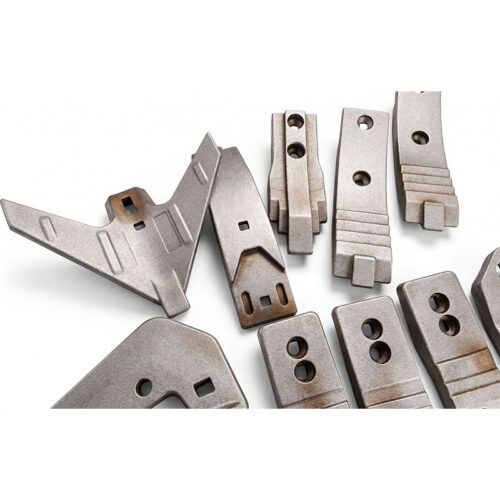
Material choice is the foundation of reliable plough point performance, and not all agricultural casting parts deliver the same balance of hardness and toughness. A casting that is extremely hard may resist abrasion but chip immediately when striking stone; a softer ductile casting survives impact yet dulls rapidly in sandy fields.
Our foundry regularly produces plough point castings across four primary material families, each calibrated with precise quenching and tempering cycles. Boron steel castings remain our most popular mid-range option for general tillage, delivering consistent edge retention and good impact resistance without the premium cost of high-chromium iron. 42CrMo cast alloy offers excellent hardenability and fatigue strength for high-speed reversible plough systems, while CADI (carbide austempered ductile iron) and bimetallic castings serve heavy abrasive, rocky fields where downtime for replacement is costly.
| Material Grade | Post Heat-Treatment Hardness | Impact Toughness Rating | Best Procurement Fit |
|---|---|---|---|
| Cast Boron Steel (30MnB5) | HRC 48–53 | Medium-High | Standard OEM replacement, mixed loam/sand farms |
| 42CrMo Cast Alloy | HRC 50–55 | High | High-speed reversible plough, deep tillage |
| CADI Ductile Cast Iron | HRC 52–58 | Medium | Stony clay, high wear frequency operations |
| Bimetallic Composite Casting | Edge HRC 60+ | Base High | Severe silica sand, continuous heavy-duty tillage |
3. Plough Point Geometry
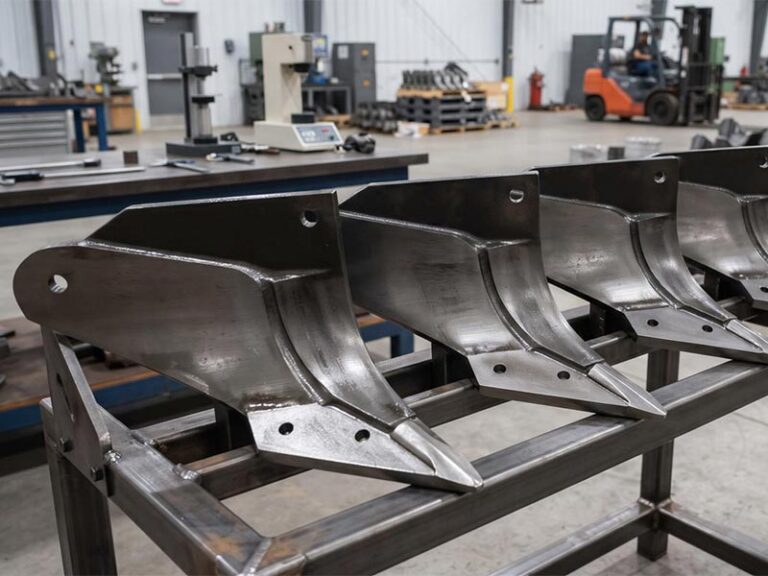
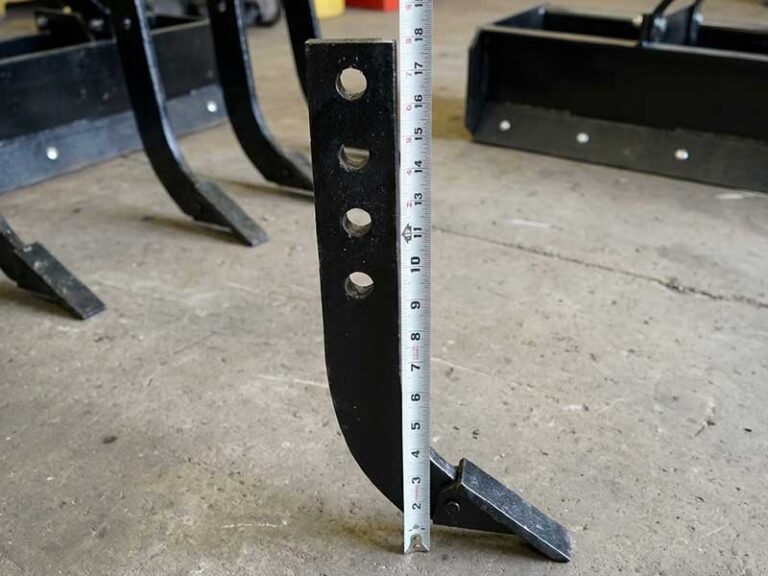
Beyond material, plough point geometry directly affects penetration, soil inversion, and pulling force.
Narrow, sharp-angle cast points slice cleanly into compacted ground and reduce fuel draw, but they wear faster in abrasive soil.
Wider, more robust cast plough points hold their shape longer for shallow, high-volume tillage, yet they demand higher tractor power in hard ground.
Curved mouldboard profiles help shed sticky clay and reduce material buildup on the casting surface, a critical feature for operators working in wet clay through spring planting seasons.
For OEM custom orders, our engineering team can adjust point thickness, cutting angle, mounting hole layout, and edge hard-facing zones to match existing plough bodies, including Lemken, Kverneland, and local European reversible plough platforms.
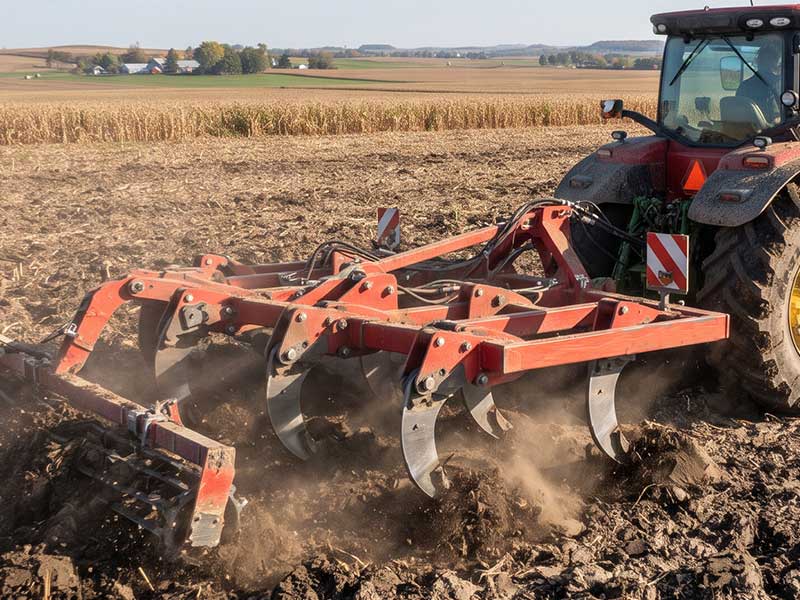
Many of our B2B customers also overlook how operating parameters change the economics of their plough point casting stock. Higher forward speed increases friction heat and accelerates surface wear; deeper tillage concentrates stress on the tip of the casting; working wet sandy soil amplifies abrasion far more than dry sand.
Research tracking plough tip wear confirms that sliding distance ranks as the strongest driver of mass loss, followed by soil moisture and operating speed, which means contractors covering large acreage at high speed should prioritise premium cast boron or bimetallic plough points to cut total part consumption over the season.
| Operating Condition | Primary Risk for Cast Plough Point | Supplier Recommendation |
|---|---|---|
| High speed (>8 km/h), deep tillage | Thermal softening, tip fatigue | 42CrMo cast alloy, full quenched and tempered |
| Wet clay, repeated turning | Clay adhesion, high cyclic load | Polished casting surface, wider curved profile |
| Low-speed rocky upland tillage | Chipping, edge fracture | CADI ductile casting, thicker tip section |
| Year-round continuous contracting | Cumulative abrasive erosion | Bimetallic cast plough point for long service cycles |
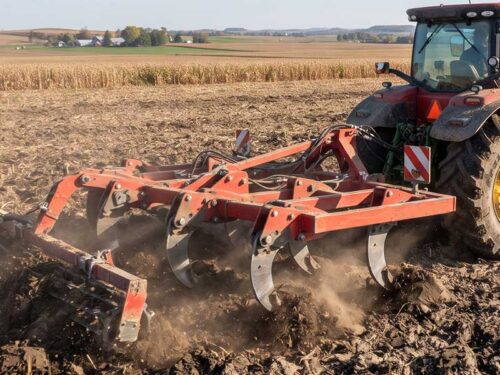
4. Final Checklist for Sourcing Your Plough Point Castings
- 1. Record sand percentage, rock frequency, typical moisture, and working depth from your target fields.
- 2. Match the casting material to the dominant wear mechanism, not just the lowest unit price.
- 3. Confirm geometry and mounting dimensions for the plough body model before ordering.
- 4. Verify that your casting supplier performs heat treatment and non-destructive testing (MT/UT).
- 5. Run small field trials for new alloy grades before rolling out large seasonal orders.
As a professional supplier of cast ploughshares, boron steel tillage castings, and OEM agricultural GET components, we have supported hundreds of distributors across Europe, North America, and Australia in matching plough point designs to local soil abrasion, rock content, moisture, and tillage depth.
For buyers managing inventory, we often recommend a mixed stocking strategy: cast boron steel plough points as the primary volume SKU for loam and light sand fields, with a smaller inventory of CADI and 42CrMo cast plough points reserved for stony or heavy clay customer accounts. This balances upfront inventory investment while reducing emergency rush orders and customer complaints from premature wear.
If you are sourcing ploughshares for resale, we can also provide sample castings for on-farm field trials before large MOQ commitments, a service widely used by machinery parts dealers across North America and Western Europe.
FAQ
Q1: Is cast plough point better than forged plough point?
A: Forged boron steel offers excellent consistency for standard shapes, while premium cast grades such as CADI and bimetallic castings deliver superior custom geometry and impact-abrasion balance for difficult soil. Casting also enables complex, near-net-shape profiles that are hard to forge economically.
Q2: How often should I replace plough point castings?
A: Replacement depends heavily on soil; sandy abrasive ground may require swapping plough points every 100–180 hectares, while loamy fields can extend service life beyond 250 hectares with properly selected heat-treated castings.
Q3: Can you produce private-label plough point castings for my distribution brand?
A: Yes, TrueCast Engineering supports OEM and ODM casting production, including custom marking, packaging, and tailored dimensional designs for private-label agricultural parts lines.