


Global Agricultural Procurement: Moldboard Plow Technical Guide
1. Introduction
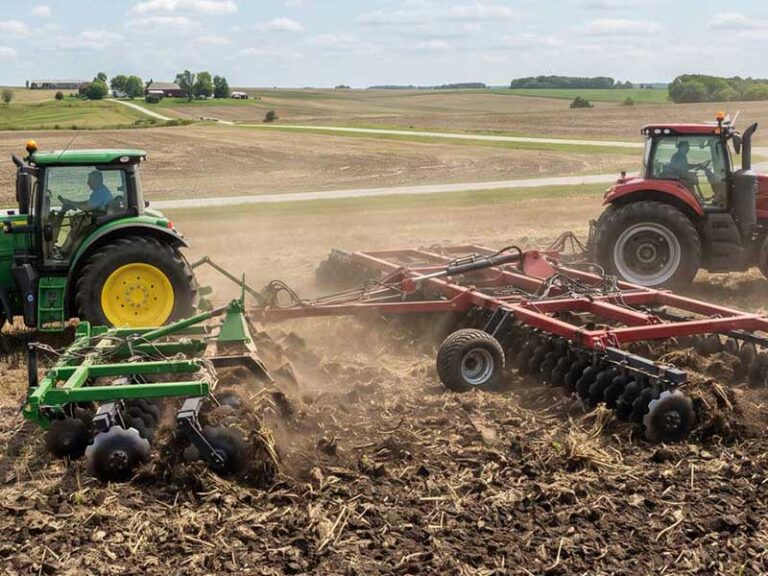
The moldboard plow is one of the most fundamental and widely adopted tillage machines in global agricultural production. Designed to cut, lift, invert, and break soil layers, it effectively buries crop residues, weeds, and organic fertilizers, loosens compacted soil, and improves soil aeration and water retention.
The global moldboard plow market demonstrates steady growth, with various research institutions reporting slightly different estimates due to varying methodologies and scopes.
- According to ResearchIntelo, the market was valued at approximately $1.36 billion in 2024 and is projected to reach $2.12 billion by 2033, growing at a CAGR of 5.1%.
- WiseGuy Reports provides a broader estimate, valuing the market at $1.597 billion in 2024 with a forecast of $2.5 billion by 2035, representing a CAGR of 4.2%.
- In a more specific segment, QYResearch focuses on the mounted moldboard plow category, which was valued at $325 million in 2025 and is expected to grow to $404 million by 2032 at a CAGR of 3.2%.
Despite the variations in absolute figures, all sources agree on a positive growth trajectory for the industry over the coming decade.
As a core procurement item for large-scale farms, agricultural contractors, and international agricultural supply chains worldwide, moldboard plows feature simple structure, reliable performance, and strong adaptability to diverse soil conditions.
This technical guide aims to provide standardized technical parameters, type selection criteria, operational specifications, and maintenance guidelines for global agricultural procurement, helping purchasers select high-quality, cost-effective, and scenario-matched moldboard plow equipment and ensure stable and efficient field tillage operations.
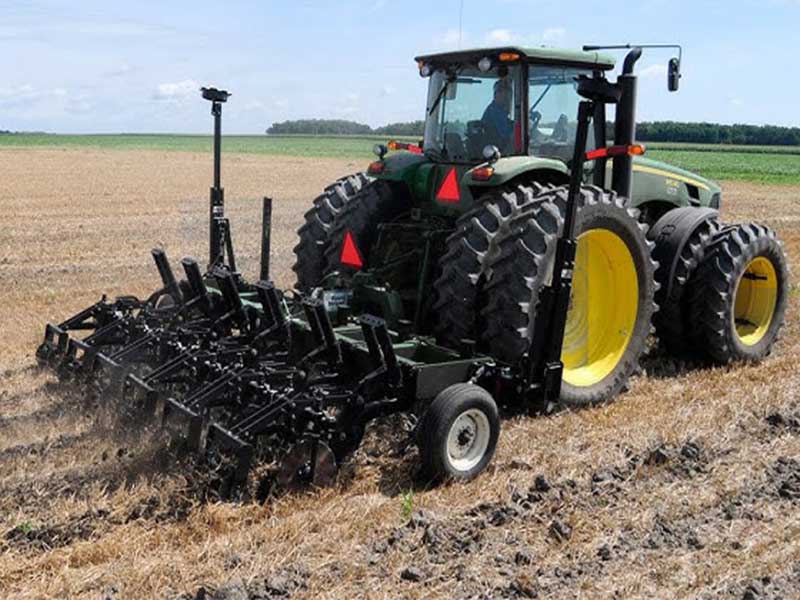
In global agricultural procurement scenarios, moldboard plows are divided into multiple types according to traction mode, structural form, and working capacity, suitable for smallholder farmland in Asia, large-scale commercial farmland in Europe and America, and dryland cultivation in Africa and Australia. Standardized technical selection and quality evaluation are critical to reducing equipment failure rates, extending service life, and improving tillage efficiency.
2. Core Structure and Working Principle
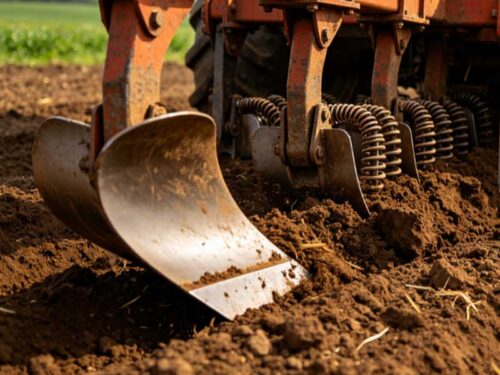
A standard moldboard plow consists of four core components, and the structural design directly determines tillage quality and operational stability. The working principle is to use the plowshare to cut the soil layer horizontally, lift the soil strip through the curved moldboard, complete soil inversion and fragmentation, and finally realize full tillage and soil layer replacement.
- – Plowshare: Made of high-hardness wear-resistant steel, it is the key cutting component, responsible for cutting soil and crop root residues. Hardened treatment ensures excellent abrasion resistance in sandy soil and loam environments.
- – Moldboard: The curved arc structure is the core functional part for soil turning. Different arc designs adapt to different soil textures to ensure complete soil inversion without residue accumulation.
- – Landside: A flat reinforced steel plate that fits the furrow wall to balance lateral resistance during operation, ensuring stable driving and avoiding deviation.
- – Frame and Hitch Assembly: The overall load-bearing structure, matched with tractor standard hitches, including Category 1 and Category 2 hitch specifications, suitable for different horsepower tractors.
3. Main Technical Parameters and Model Classification
Technical parameters are the core basis for global agricultural procurement. Matching plow model with tractor power, field area, and soil conditions can avoid power waste and inefficient operation. The mainstream commercial moldboard plow parameters applicable to global markets are sorted in the table below, covering light, medium, and heavy-duty models.
|
Model Type
|
Number of Furrows
|
Working Width (per furrow)
|
Adjustable Working Depth
|
Matching Tractor Power
|
Net Weight
|
Applicable Scenarios
|
|---|---|---|---|---|---|---|
|
Light-duty
|
1-2
|
300-350mm
|
15-25cm
|
25-45HP
|
295-400kg
|
Small plots, loam, suburban small farms
|
|
Medium-duty
|
2-4
|
350-450mm
|
20-30cm
|
50-100HP
|
400-600kg
|
Ordinary dryland, medium-scale farms, universal soil
|
|
Heavy-duty
|
4-6
|
450-760mm
|
25-40cm
|
110-220HP
|
600-710kg
|
Large-scale commercial farmland, hard soil, clay soil
|
|
Hydraulic Reversible
|
3-5
|
400-600mm
|
20-38cm
|
90-180HP
|
550-680kg
|
High-efficiency continuous operation, flat large fields
|
4. Global Procurement Selection Standards
In cross-border agricultural procurement, equipment quality, material standards, and adaptability are key evaluation indicators. Combined with international agricultural machinery industry standards, the core selection criteria are summarized as follows, and standardized quality inspection indicators are listed in the table below.
|
Inspection Item
|
International Standard Requirement
|
Procurement Acceptance Criteria
|
|---|---|---|
|
Frame Material
|
High-strength 50#/60# structural steel
|
No bending or deformation under rated load, stable welding seam
|
|
Plowshare Hardness
|
HRC 45-55 wear-resistant hardened steel
|
Continuous operation wear resistance ≥ 500 mu, no edge curling
|
|
Tillage Uniformity
|
International ISO 11786 tillage standard
|
Depth error ≤ ±2cm, soil inversion rate ≥ 95%
|
|
Hitch Specification
|
ISO standard Category 1/2 hitch
|
Universal matching with mainstream global tractors
|
|
Corrosion Resistance
|
Surface spray anti-rust treatment
|
Adapt to high temperature, high humidity and arid global climates
|
5. Standard Operation and Adjustment Specifications
Standard operation is the key to ensuring tillage quality and reducing equipment loss, which is uniformly applicable to global field operation scenarios.
- First, match the tractor power strictly according to the plow model to avoid overloading or insufficient traction.
- Second, adjust the working depth and horizontal balance of the plow body before operation: tilt the plow body forward to increase soil suction and deepen tillage; tilt backward to reduce suction and shallow tillage, keeping the plow bottom parallel to the furrow bottom.
- During operation, keep the tractor running at a constant speed (4-8km/h). Excessively fast speed will cause incomplete soil inversion, and excessively slow speed will reduce operation efficiency.
- For hard soil and stubble fields, reduce the working depth appropriately for segmented tillage to avoid plowshare damage.
- After daily operation, clean soil residues and weeds on the moldboard and frame to prevent long-term corrosion and affecting subsequent operation accuracy.
6. Daily Maintenance and Storage Guidelines
Scientific maintenance can effectively extend the service life of the moldboard plow and reduce global after-sales maintenance costs, which is an important reference for bulk procurement and long-term equipment management.
Daily Maintenance: Check the tightness of bolts and rivets before each operation; inspect the wear degree of plowshare and moldboard, and replace severely worn parts in time; lubricate the movable hinge and adjusting parts regularly to ensure flexible adjustment.
Seasonal Storage: After the end of the tillage season, thoroughly clean the whole machine, polish rusty parts and spray anti-rust oil; place the equipment in a dry and ventilated warehouse, avoid long-term outdoor sun and rain exposure; pad the plow body to prevent the plowshare and landside from being squeezed and deformed.
7. Conclusion
As a universal tillage equipment in global agriculture, the moldboard plow’s technical standardization, model matching and quality stability directly affect farmland cultivation efficiency and agricultural production benefits.
Procurement enterprises and agricultural institutions can select equipment according to regional soil characteristics, farmland scale and tractor matching conditions, so as to realize high-efficiency, low-consumption and standardized tillage operations, and provide reliable equipment support for global modern agricultural production.