


Why Global Demand for High-Wear Subsoiler Points Is Surging
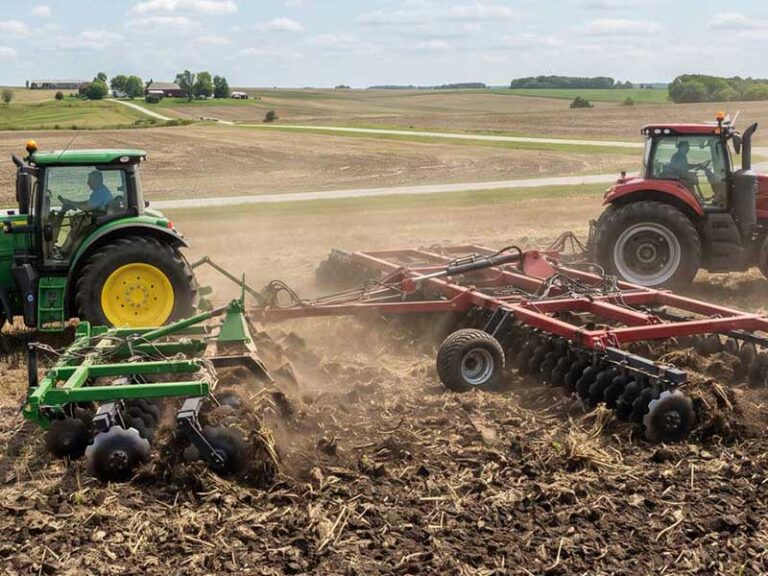
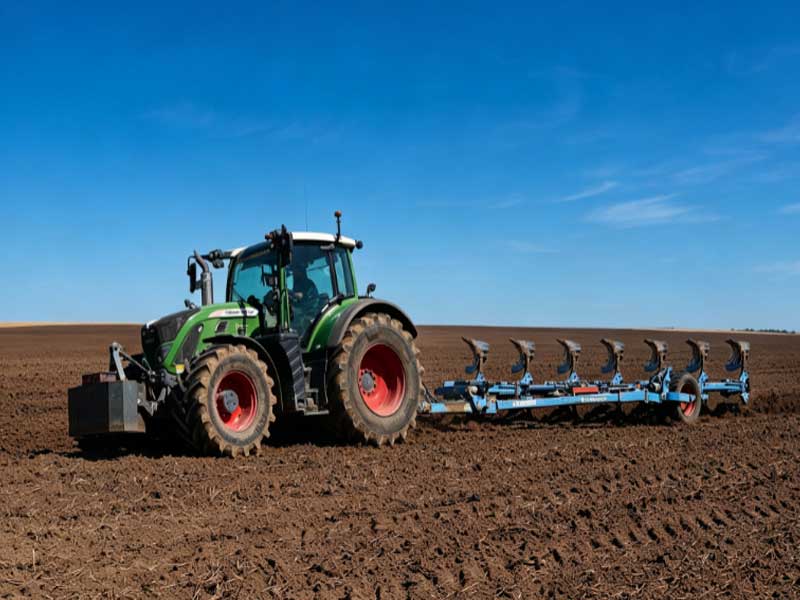
The durability of subsoiler points directly dictates uptime, fuel spend and per-acre profitability. As farm operations scale up globally and fleets of heavy tractors, harvesters and grain carts roll across millions of acres annually, dense, root-blocking hardpan layers form 15–40 cm beneath topsoil, slashing crop yields and inflating operational costs year after year.
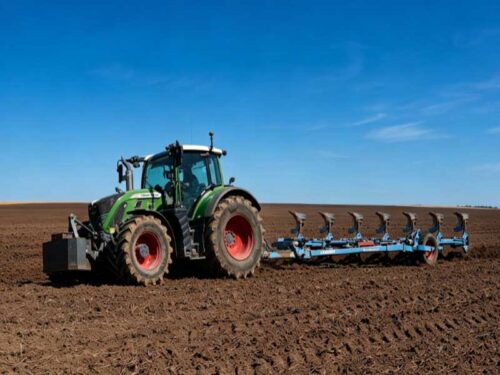
To fracture this impenetrable subsoil, deep tillage and subsoiling have become non-negotiable field practices. This shift has ignited explosive worldwide demand for heavy-duty, abrasion-resistant subsoiler points—critical terminal wear parts that bear the full force of grinding sand, embedded rock and compacted clay every working hour.
For OEM machinery manufacturers, agricultural distributors and large-scale farm operators, no longer chase low-cost throwaway steel; they prioritize high-ROI metallurgical solutions built to outlast harsh field conditions.
1. Market Surge: Hardpan Crisis Fuels Global Subsoiler Point Growth
Global commercial farming’s transition to heavy mechanization and monocropping has created a universal compaction crisis that spans North America, Europe, Brazil, Russia, China and Australia. Market research quantifies the rapid expansion of subsoiler and subsoiler replacement parts demand over the next decade.
Table 1: Global Subsoiler Equipment & Wear Parts Market Forecast (2024–2032)
| Metric | 2024 Market Value | 2032 Projected Value | CAGR | Key Growth Drivers |
|---|---|---|---|---|
| Full Global Subsoiler Machinery Market | $3.48 Billion | $2.50 Billion (segment split) | 3.8% | Large-scale farm expansion, compaction remediation mandates, precision farming adoption |
| High-Wear Subsoiler Points Replacement Segment | $412 Million | $786 Million | 8.2% | Frequent part turnover for boron steel, shift to long-life high-chrome cast components |
| North American Subsoiler Point Demand | $118 Million (2025) | $221 Million (2032) | 9.1% | Heavy corn/soybean mechanization, documented 5–21% yield loss from unaddressed hardpan |
| Asia-Pacific (China, India) Subsoiler Point Imports | $89 Million (2025) | $175 Million (2032) | 8.8% | Government sustainable soil health programs, rapid farm consolidation |
Key industry takeaway: The subsoiler replacement wear parts segment is growing more than twice as fast as complete subsoiler machinery. Farmers and distributors are increasing recurring orders for premium subsoiler points to offset yield losses from compaction and cut maintenance downtime.
USDA research confirms unbroken hardpan reduces corn and soybean yields by a median 21% in heavily trafficked field zones, a revenue hit that pushes operators to prioritize consistent deep tillage year-round.
Volza global import trade data reinforces this trend: worldwide subsoiler part shipments rose 71% year-over-year from April 2024 to March 2025, with Russia, Mexico and Chile ranking as the top three importers of tillage wear components. Every new subsoiler unit sold creates ongoing repeat demand for replacement points—turning durable, long-life wear parts into a high-margin recurring revenue stream for OEMs and distributors.
2. The Hidden True Cost of Cheap, Low-Durability Subsoiler Points
Most farm operators only account for the upfront price tag of standard boron steel subsoiler points, ignoring cascading secondary expenses created by rapid wear.
When cheap ripper points dull quickly, three overlapping financial penalties crush farm margins: frequent part replacement labor, costly field downtime during narrow planting windows, and drastically elevated tractor fuel consumption from increased draft resistance.
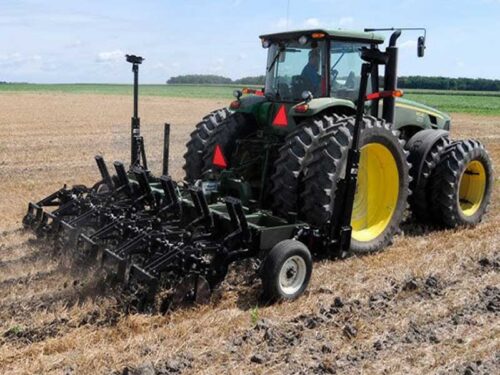
Subsoiling cuts through abrasive quartz sand, compacted clay and buried rock fragments, subjecting points to constant friction and high-impact shock loads. Traditional heat-treated boron steel blunts rapidly under aggressive soil conditions.
USDA soil dynamometer testing found dulled standard steel points increase tractor draft force by up to 28%, burning more diesel per acre and slowing tillage speeds significantly.
For a 1,000-acre commercial corn operation, the math is stark:
- Standard boron steel points require full replacement every 20–30 working hectares
- High-chrome cast tungsten-carbide clad points deliver 3–5x longer service life
- Each unplanned point swap halts field work for 30–45 minutes during tight spring planting windows, risking missed optimal seeding timing and yield losses
Now buyers now run total cost of ownership (TCO) calculations instead of comparing sticker prices alone. They actively source premium metallurgy subsoiler points to minimize three core operational losses: downtime labor, excess fuel burn and reduced crop yield from incomplete hardpan fracture.
3. Material Revolution: High-Chrome Casting Redefines Wear Part Performance
To solve the universal pain points of fast-wearing steel points, the agricultural wear parts sector has undergone a full metallurgical shift centered on high-chrome cast iron manufacturing. Unlike basic carbon or boron steel, high-chrome casting forms dense chromium carbide microstructures inside the component, delivering exceptional resistance to abrasive soil erosion.
When paired with precision industrial heat treatment and tungsten carbide hard-facing on leading wear edges, high-chrome subsoiler points retain sharp penetration geometry far longer than conventional alternatives.
Table 2: Field Performance Comparison – Boron Steel vs. High-Chrome Cast Tungsten-Clad Subsoiler Points
| Performance Indicator | Standard Heat-Treated Boron Steel Point | High-Chrome Cast + Tungsten Carbide Hard-Faced Point | Real-World Advantage |
|---|---|---|---|
| Total Working Hectares Before Full Replacement | 22–30 ha | 90–135 ha | 3–5x extended service life |
| Average Tractor Draft Force (Compacted Sandy Loam) | Baseline 100% | 72–78% of baseline | 22–28% lower fuel consumption per acreARS |
| Retention of Original Penetration Angle | 35% geometry loss after 15 ha | <8% geometry loss after 60 ha | Consistent hardpan fracture, no repeated tillage passes |
| Total TCO Per 1000 Hectares (Parts + Fuel + Downtime Labor) | $1,870 | $825 | 56% reduction in overall subsoiling operating cost |
| Impact Resistance Against Buried Rock Strikes | High risk of chipping, bending | Minimal deformation, crack-resistant carbide matrix | Fewer emergency mid-field replacements |
Independent Brazilian field trials on abrasive sandy compacted soils further validated this gap: uncoated standard steel coulters fully eroded after 22.5 hectares, while chromium-alloy hard-faced equivalents remained functional past 45 hectares, cutting total part replacement spend by 15.6% across the same acreage.
The streamlined geometry maintained by high-chrome, tungsten-clad points delivers a secondary sustainability benefit: reduced tractor fuel burn lowers per-acre carbon emissions, aligning with global sustainable agriculture and carbon credit programs growing popular across EU and North American farm markets.
4. High-Chrome Casting Revolution for Ag Wear Parts
As OEM machinery suppliers, global distributors and large farm groups race to adopt long-life tillage components, premium casting solution provider Truecasteng engineers high-chrome cast subsoiler points optimized for the world’s harshest soil profiles—from rocky prairie hardpan in the American Midwest to abrasive red clay farmland in Brazil and compacted loess soils across Northern China.
Our manufacturing process combines three core competitive advantages for partners:
- Precision high-chrome casting with controlled carbide microstructure for balanced abrasion resistance and impact toughness
- Targeted tungsten carbide hard-facing on leading wear zones to preserve streamlined penetration profiles and cut tractor drag
- Custom penetration geometry design for OEM private labeling, compatible with all mainstream subsoiler models sold worldwide
For machinery distributors and agricultural OEMs, upgrading product lines to Truecasteng high-chrome subsoiler points creates an unbeatable market differentiator. You can offer end-farm clients measurable, quantifiable reductions in per-acre tillage costs, backed by verified field performance data. In today’s competitive agri-equipment landscape, long-term durability is no longer an optional product feature—it is the decisive competitive edge that wins repeat bulk orders and long-term distributor partnerships.